The Herta — Honkai: Star Rail Character & Artwork
Interesting factsBiographyThe story, the personality, and everything in between.Read biographyClose biography
The Herta大黑塔
Genius Society member #83, Emanator of Erudition, founder and owner of Herta Space Station, and co-developer of the Simulated Universe
The Herta is the real woman behind the Herta puppets in HoYoverse’s role-playing game Honkai: Star Rail. She is Genius Society member #83, an Emanator of Erudition associated with Nous, and the owner of Herta Space Station. The doll-like Herta whom the Trailblazer first encounters is one of her remote-controlled stand-ins; the five-star character The Herta depicts the secluded scientist herself.
From a Clock Tower near the edge of the cosmos, she pursues difficult questions about the Aeons and the limits of knowledge, leaving station management to Asta and routine interruptions to her puppets. Her manner is blunt, her self-regard gleefully excessive, and her curiosity far more enduring than her patience for ceremony.
Biography
A Genius From the Blue
Herta comes from the planet known as the Blue and is recognized as the eighty-third member of the Genius Society. An Emanator associated with Nous, the Aeon of Erudition, she turns her resources toward puzzles that ordinary research cannot readily resolve. She established Herta Space Station to house rare Curios and investigate extraordinary phenomena. For her, the station is a means to pursue discoveries, not a job that should consume her days in administrative meetings.
This creates an odd divide between Herta’s fame and her accessibility. The station bears her name, but Asta oversees its researchers and practical affairs. A visitor is much more likely to deal with Asta or a Herta puppet than the woman who owns the place. Even Herta’s decision to delegate is characteristically decisive: once a subject stops interesting her, she moves on.
Puppets, a Station, and a Useful Test Subject
Herta uses an assortment of remote-controlled, ball-jointed puppets based on a youthful likeness of herself. She says the familiar model resembles her childhood appearance by about seventy percent. A puppet can greet researchers and conduct work at the station without requiring its owner to leave seclusion. The playable four-star Herta represents this puppet form; The Herta, introduced separately as a five-star unit, is still the same individual.
When the Trailblazer arrives at Herta Space Station, Herta quickly notices the possibilities presented by a person connected to a Stellaron and the Aeons. Her research partnership with fellow geniuses Screwllum, Ruan Mei, and Stephen Lloyd produced the Simulated Universe, a system designed to model cosmic history and investigate the Aeons. The Trailblazer is especially useful to those experiments: Herta’s curiosity about them is scientific before it is personal.

The Researcher Behind the Witch’s Hat
Herta herself lives in a secluded Clock Tower at the edge of the cosmos. Her youthful appearance is the result of de-aging technology, not evidence that she shares the age or proportions of her puppets. The tower’s household of dolls takes on chores and correspondence while she concentrates on her own theories. Her witch-like public image is a joke she knows how to use: discoveries beyond other people’s understanding are wonderfully easy to call magic.
Her appearance as the five-star Ice/Erudition character The Herta in Version 3.0 gave players a direct look at the person previously glimpsed mainly through remote bodies. The names Herta and The Herta describe two playable representations of one researcher, not a family relationship, replacement, or separate genius.
Questions the Simulated Universe Cannot Settle
The Simulated Universe is only one expression of Herta’s interest in the Aeons. She studies how extraordinary entities can be understood, questioned, or represented by an experiment—and what a useful answer actually reveals. The more routine a successful result becomes, the less inclined she is to celebrate it. What she seeks is a problem that changes the way she thinks.

Personality and Motivations
Herta is exceptionally selective with her attention. She dismisses routine questions, delegates uninteresting work, and speaks with a bluntness that leaves little room for empty compliments. At the same time, she revels in complimenting herself: her puppets can be made to recite extravagant praise, only to be waved back to their chores. The arrogance is part of the joke, but it has a foundation in her demonstrated standing among the Genius Society.
Her curiosity survives success: the more ordinary a solved problem becomes, the sooner she searches for one that tests a deeper assumption. She also enjoys theatrical misdirection. When other researchers demand to know how a seemingly impossible result works, she is quite capable of calling it magic and enjoying their frustration. Her playfulness should not be mistaken for intellectual carelessness; she expects a proposition to earn her attention.
Although she often keeps people at arm’s length, Herta does not work alone by principle. She collaborates with Ruan Mei, Screwllum, and Stephen when their skills advance a question worth asking. Her distant manner also has limits: when later research exposes a danger beyond the walls of her laboratory, she participates rather than simply watching events unfold.
Appearance
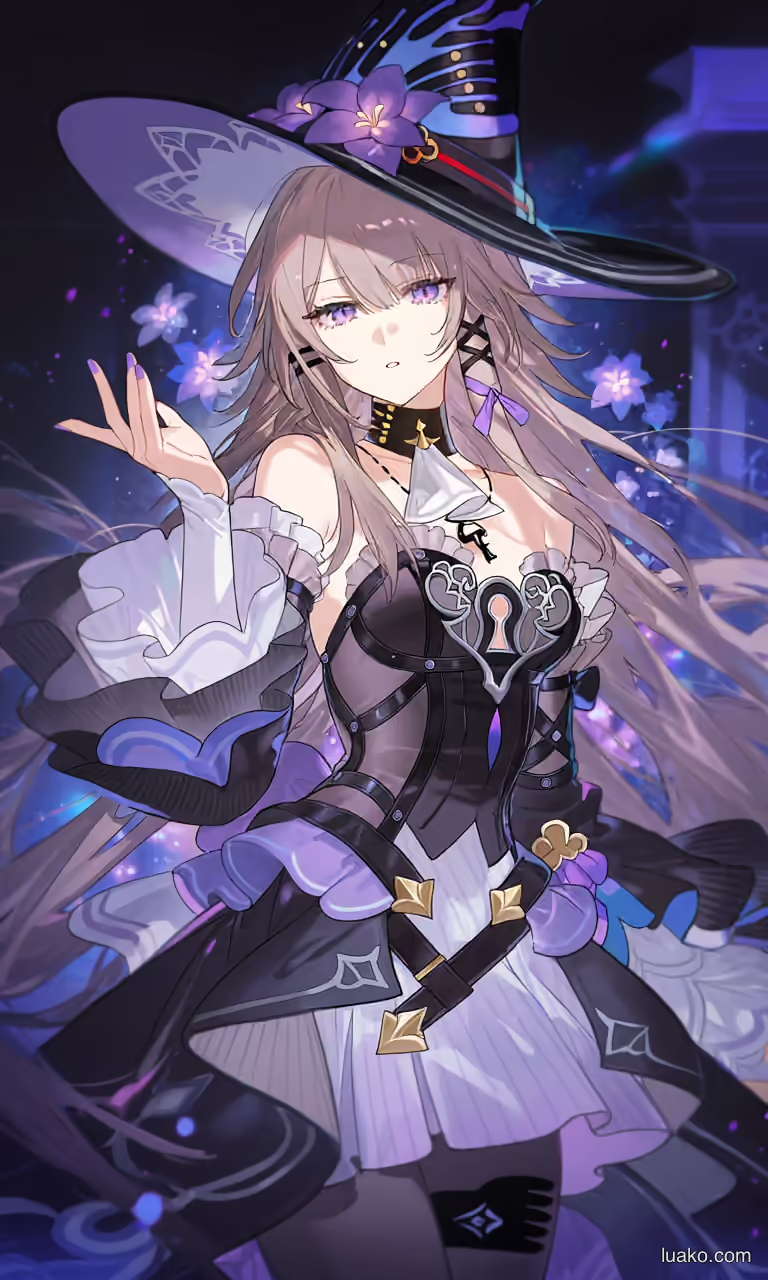
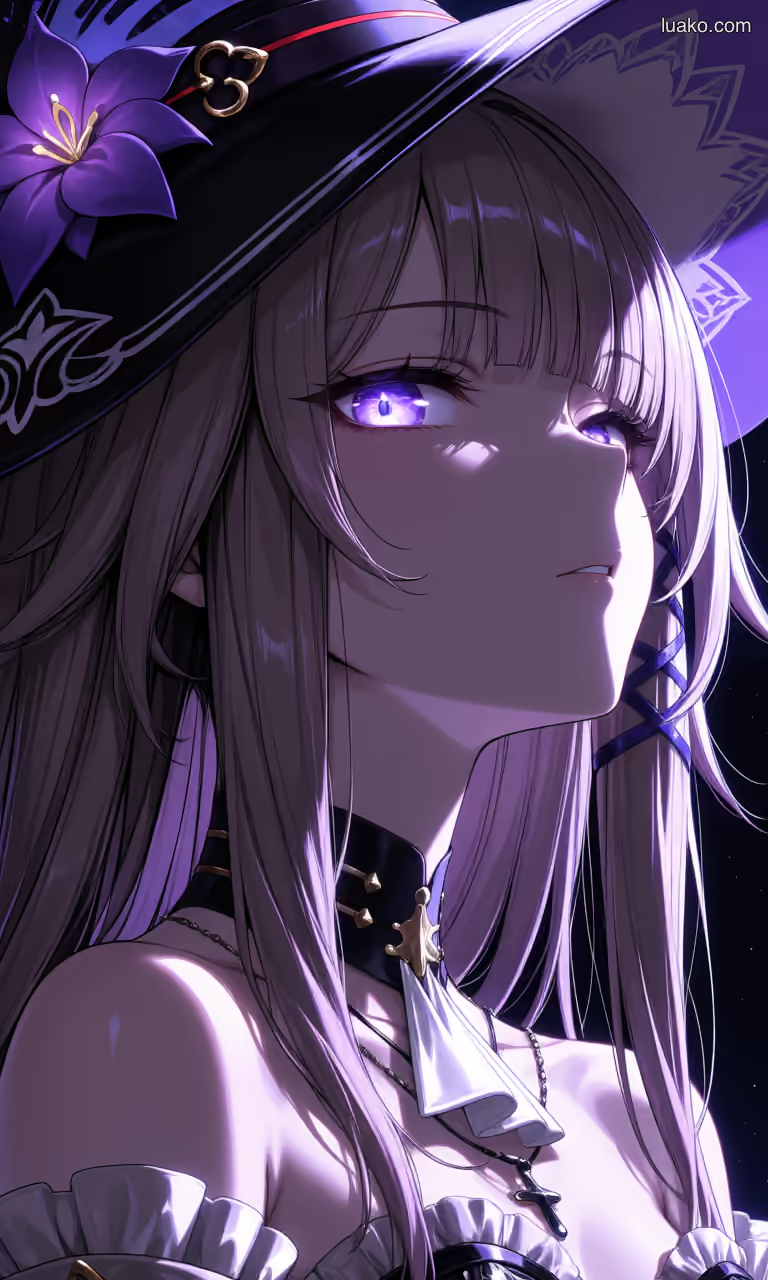
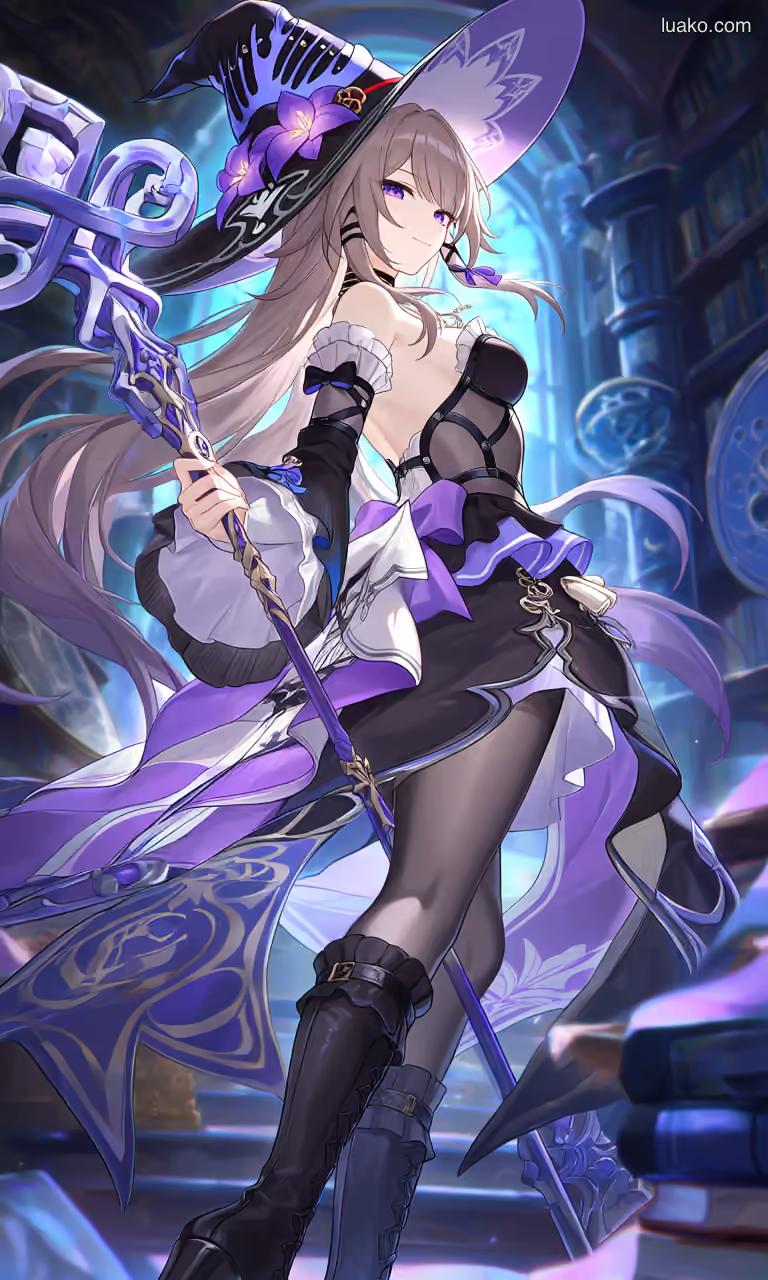
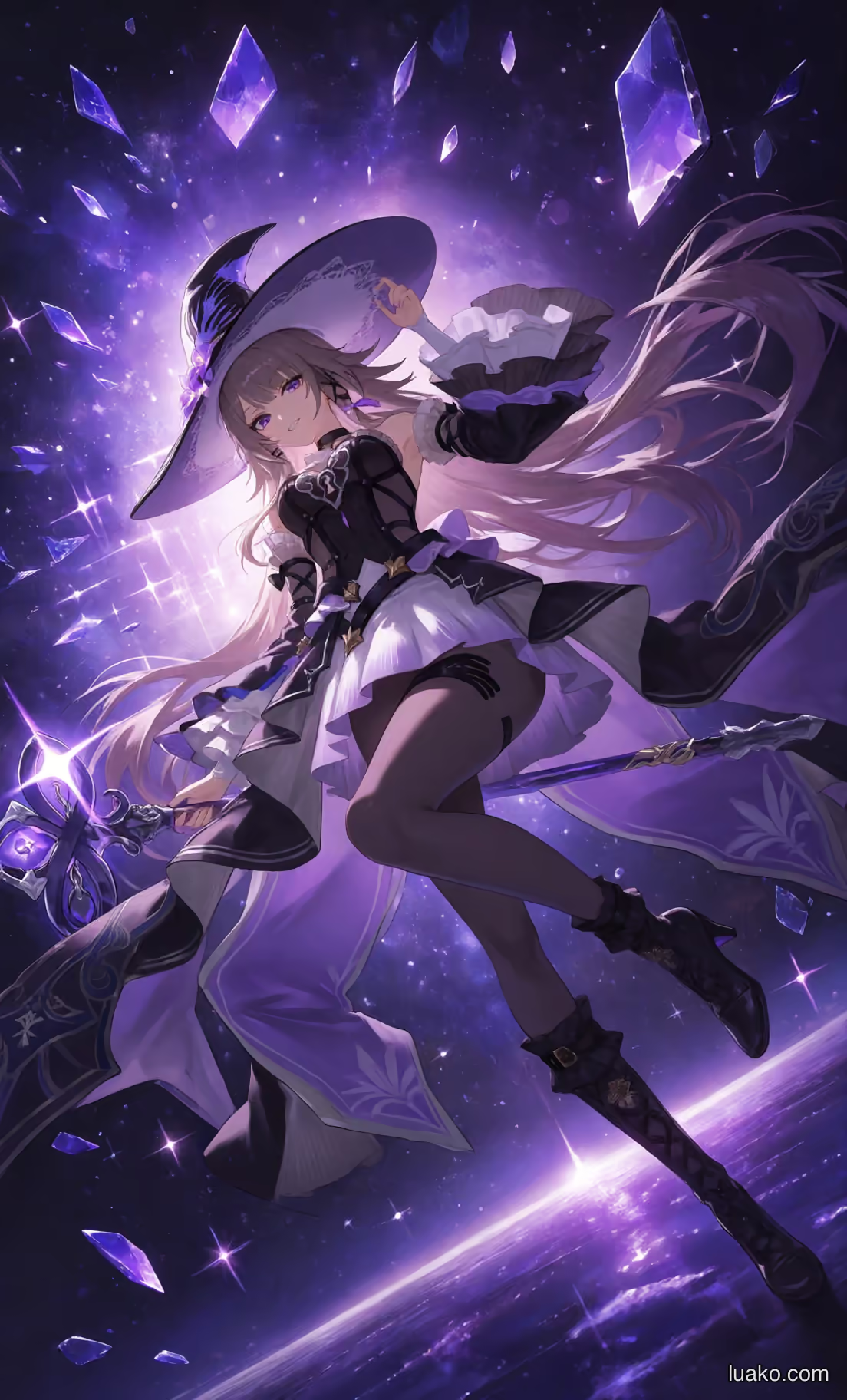
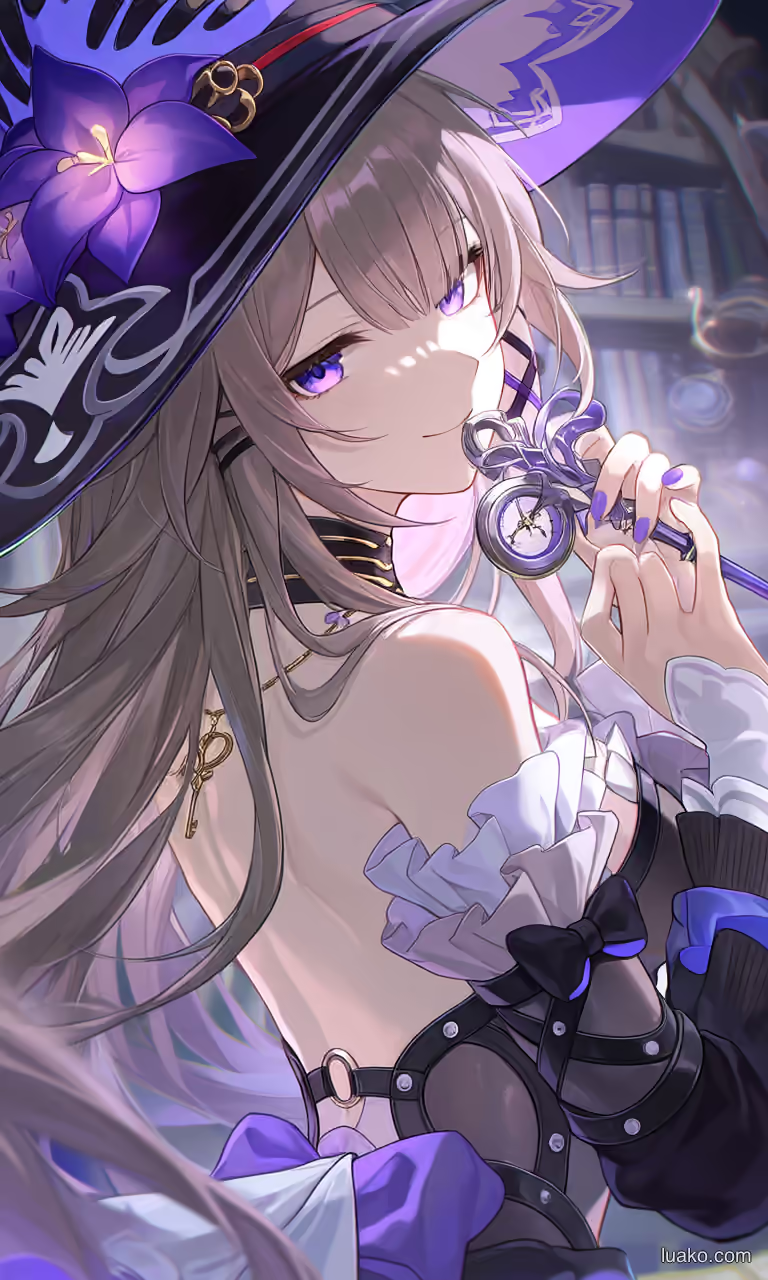
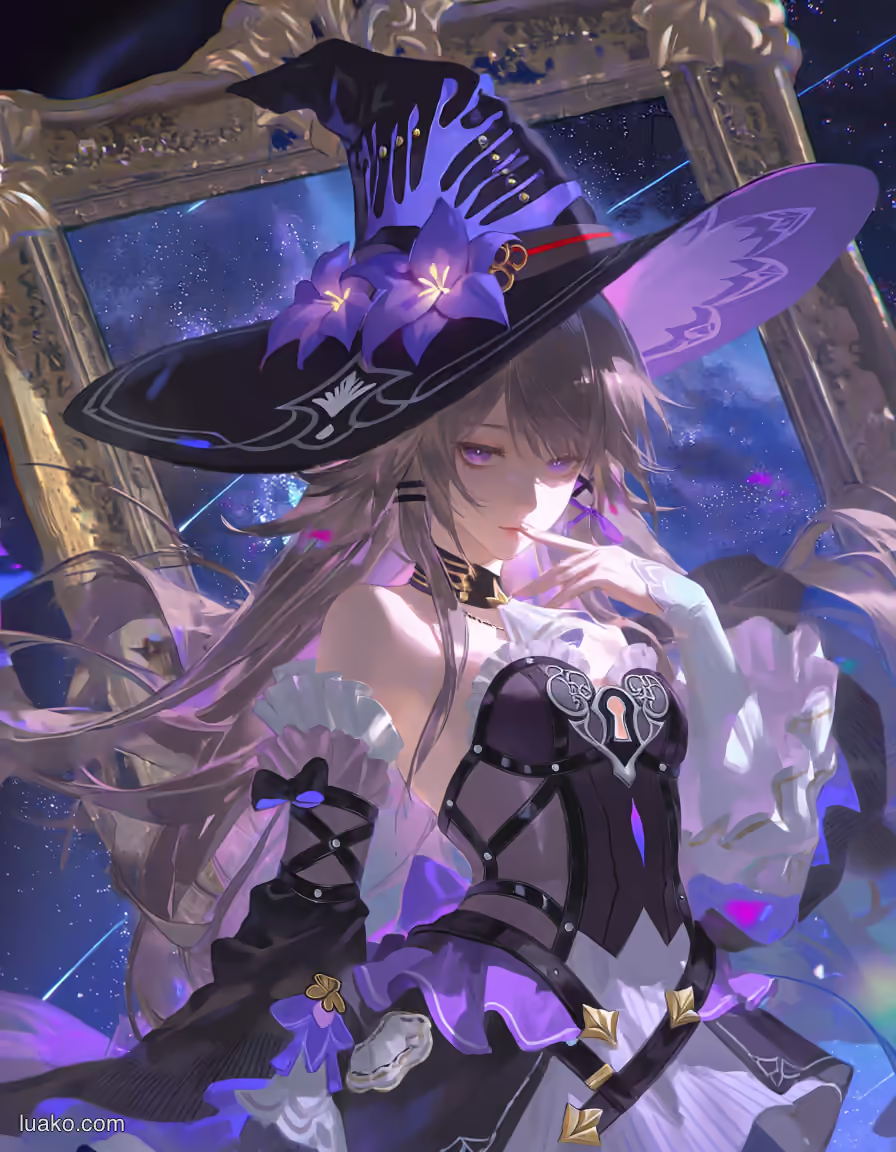
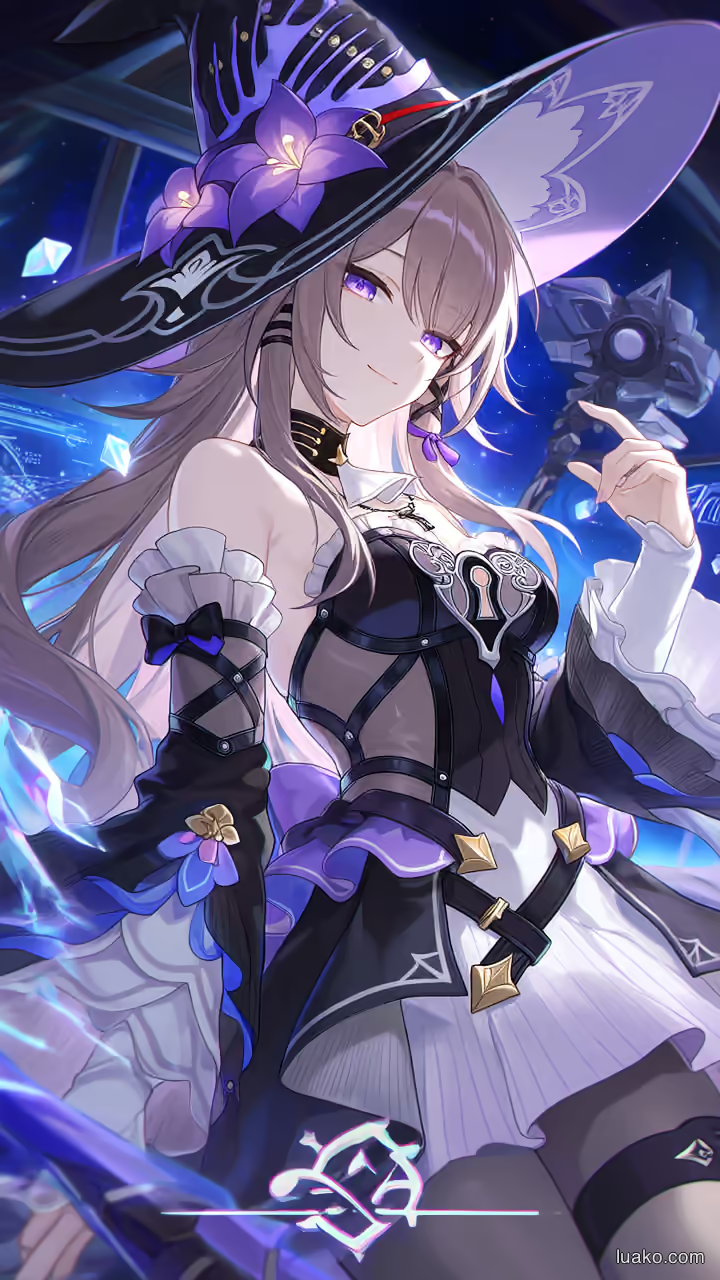
The Herta’s true body has the youthful appearance of an adult woman, noticeably taller and more mature-looking than her ball-jointed puppet. She has very long ash-brown hair that fades into purple toward the ends, deep purple eyes, and purple-painted fingernails. Her apparent youth is attributed to de-aging technology; no exact chronological age is stated here.
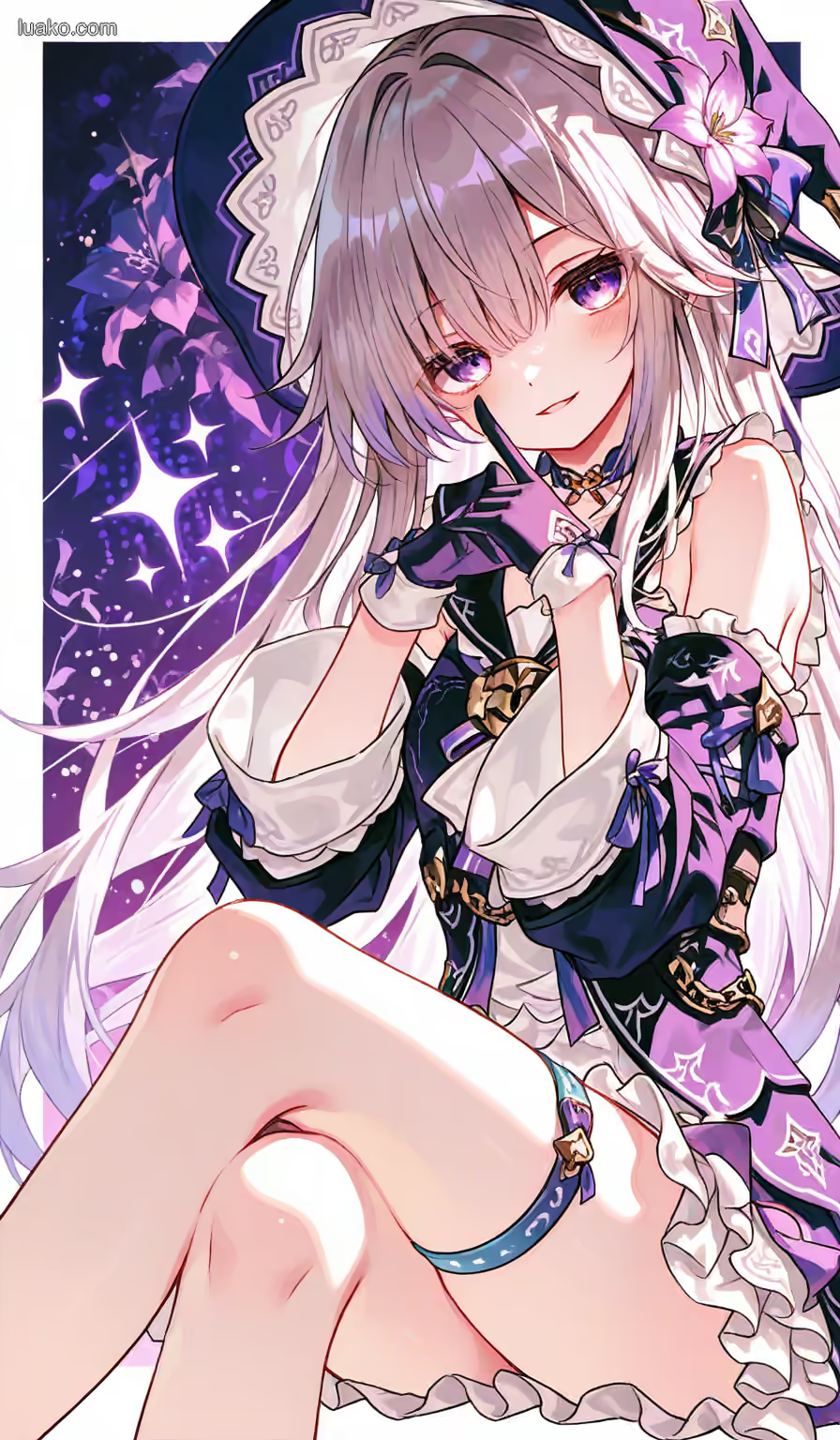
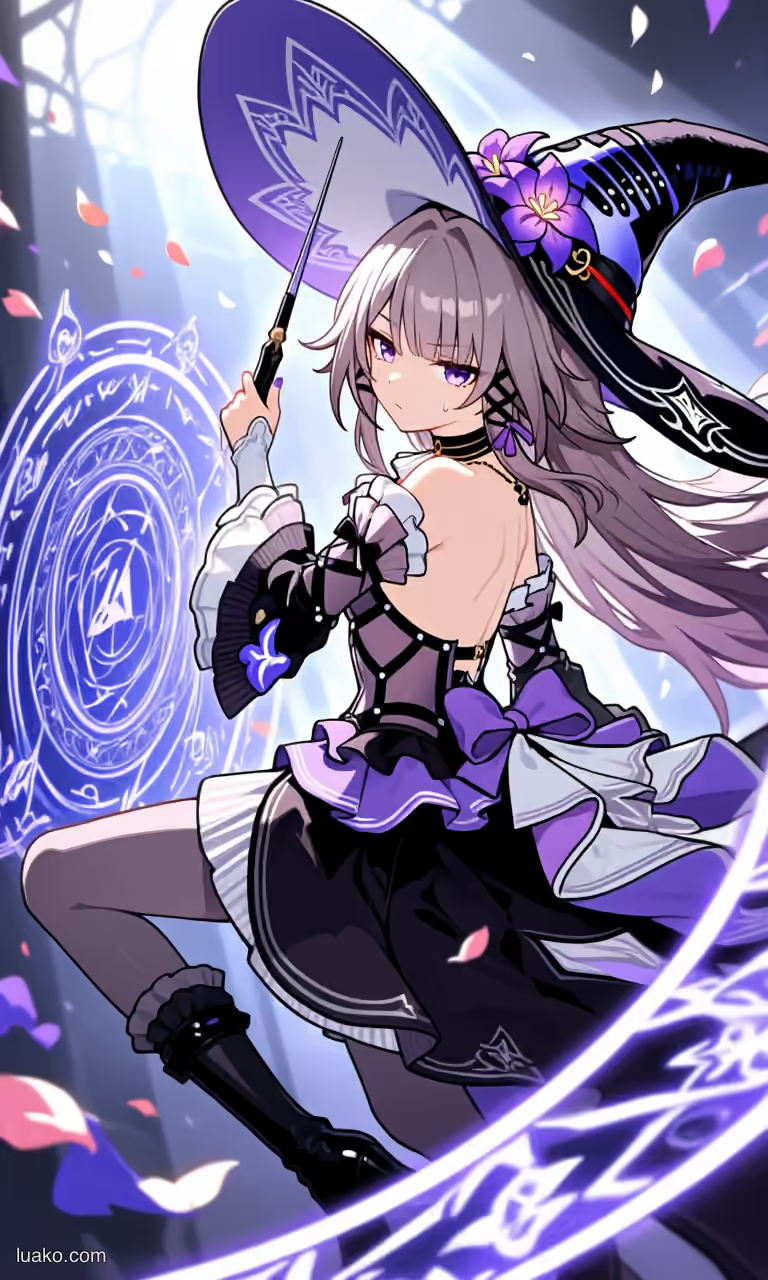
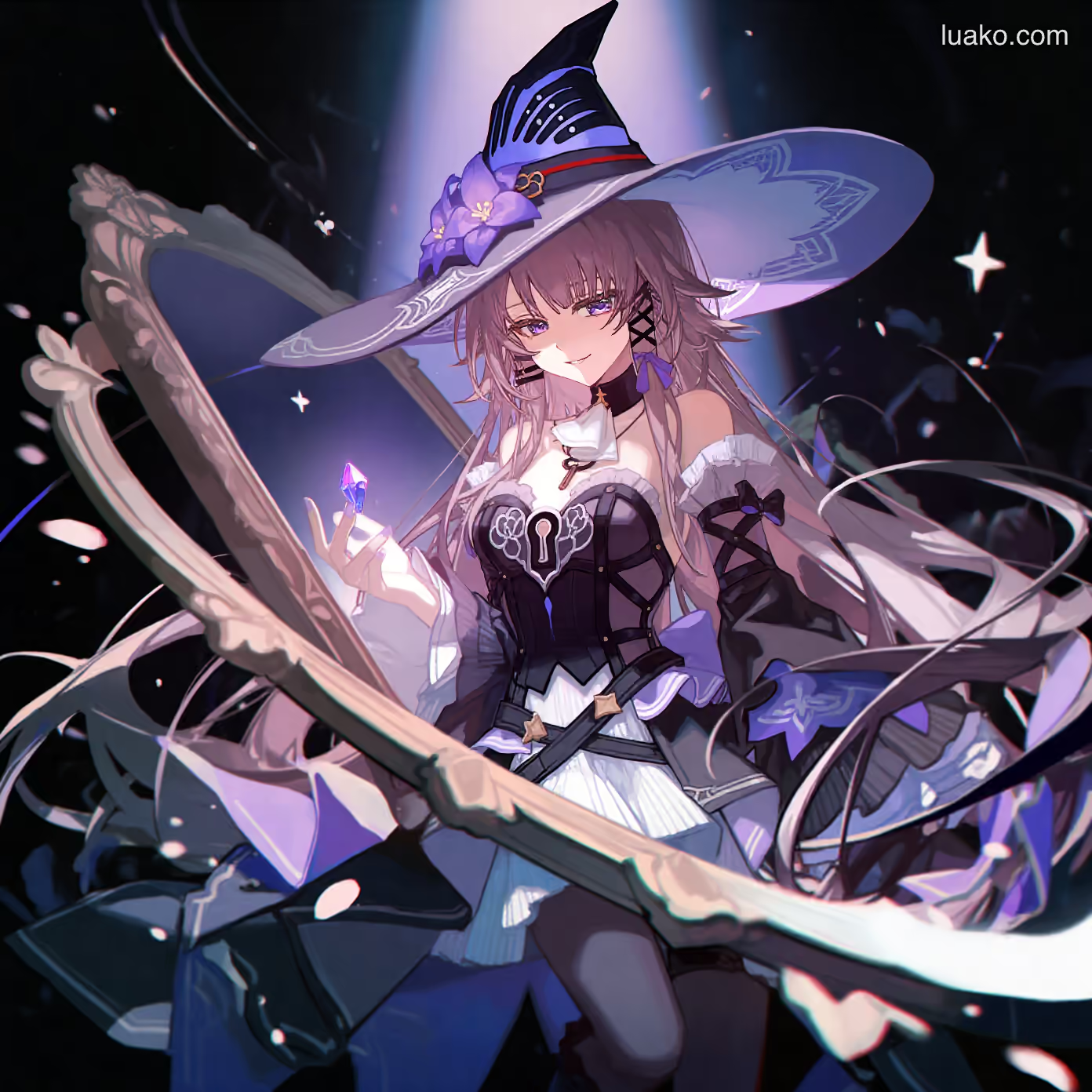
Her outfit evokes an extravagant sorceress: a wide black-and-purple hat decorated with purple flowers, a black, white, and violet dress with abundant frills, detached sleeves, and keyhole motifs. A key pendant, dark translucent tights, and asymmetrical boots complete the design, while a wand or scepter reinforces the theatrical look. Unlike her puppet, which wears a small beret and visibly articulated joints, the real Herta has a dramatic hat and an uninterrupted human silhouette.
Quick facts
- Canonical identity
- The real Herta; the puppets are her remote-controlled representations
- Genius Society membership
- #83
- Species
- Human
- Homeworld association
- The Blue
- Affiliation
- Genius Society; Herta Space Station
- Lore distinction
- Emanator of Erudition associated with Nous
- Playable rarity
- 5-star
- Combat element
- Ice
- Combat Path
- Erudition
- First playable release
- January 15, 2025, Version 3.0
- English voice actor
- PJ Mattson
- Japanese character name
- マダム・ヘルタ (Madam Herta)
Abilities
Exceptional scientific intelligence
A prolific theorist and experimental researcher whose work spans advanced technology, cosmic mysteries, and the study of Aeons.
Remote puppet operation
Uses human-shaped artificial bodies to carry out tasks and interact remotely, allowing her to remain physically secluded.
De-aging technology
Developed technology that maintains her youthful physical appearance; character lore depicts it as a scientifically achieved result despite her jokes about magic.
Simulated Universe development
Co-created a system with Ruan Mei, Screwllum, and Stephen Lloyd for investigating cosmic histories and the Aeons through simulations.
Erudition Emanator status
Recognized in the game’s lore as an Emanator of Erudition, connecting her extraordinary standing to Nous.
Ice multi-target combat
Her five-star playable version deals Ice damage across multiple enemies. Her kit builds Interpretation stacks on targets, rearranges stacks with her Ultimate, and uses Inspiration to power an Enhanced Skill.
Treasure-location Technique
In gameplay, her Technique can reveal the positions of up to three Basic Treasures on the current map; it also supplies a combat bonus under specified conditions.
Limitations: Treasure marking applies only when Basic Treasures are present on the current map, with a maximum of three indicated at once.
Relationships
Asta
Lead researcher and administrator of Herta’s space station
Asta keeps the station functioning, providing practical leadership for an institution whose founder frequently loses interest in administration.
Ruan Mei
Genius Society colleague and Simulated Universe co-creator
The biological scientist known as Genius Society member #81 works with Herta on research into the Aeons. Their collaboration rests on intellectual capability rather than an established family or romantic bond.
Screwllum
Genius Society colleague and Simulated Universe collaborator
The Intellitron researcher works closely with Herta, sometimes as a measured counterpart to her sharper and more impulsive manner.
Stephen Lloyd
Genius Society colleague and Simulated Universe collaborator
Stephen Lloyd belongs to the four-person research partnership behind the Simulated Universe. His contributions matter even though he is far less visible to visitors than the station’s owner.
The Trailblazer
Research participant and recurring acquaintance
Herta regards the Trailblazer as an unusually useful participant in her Simulated Universe experiments because of the Trailblazer’s connection with a Stellaron and the Aeons.
Nous
Aeon of Erudition
Nous is the Aeon associated with Herta’s status as an Emanator; investigating such cosmic intelligences lies at the center of her research.
Polka Kakamond
Genius Society member whose approach to knowledge conflicts with Herta’s
Polka Kakamond’s involvement in cosmic research raises questions about which possibilities should be allowed to unfold. The sharper consequences of that conflict belong in the spoiler biography.
Interesting facts
Herta’s puppet likeness is described as only approximately 70 percent similar to her childhood appearance.
The familiar short puppet design is not a literal, exact portrait of the real adult Herta.
Her Japanese playable name is Madam Herta, not a literal translation of the English definite article.
The localized title emphasizes status and politeness while referring to the same character.
The English cast credits PJ Mattson for Herta’s true form as well as her puppet depiction.
The vocal continuity reinforces that the four-star and five-star presentations are the same person.
Her official character trailer is titled “Geniuses in the Universe,” placing her among the eccentric personalities of the Genius Society.
It frames her debut through the social and intellectual world that made her reputation, rather than presenting only her combat style.
Frequently asked questions
Is The Herta different from Herta?
No. The Herta is Herta herself in her true body, while the familiar four-star Herta represents one of the dolls she operates remotely.
Why is she called The Herta?
The five-star character name distinguishes the real Herta’s presentation from the much more commonly encountered puppet version. Her own dialogue treats that distinction with characteristic vanity and wit.
Is The Herta an Emanator?
Yes. Official Version 3.0 material identifies Madam Herta as an Emanator of Erudition.
Where does she live?
Character lore places her true body in a secluded Clock Tower near the outer reaches of the cosmos; the space station is typically staffed and managed without her physical presence.
Why does she look so young?
She developed de-aging technology that accounts for her youthful appearance. Her real body should not be confused with the younger-looking puppet modeled on her childhood self.
Who works with her on the Simulated Universe?
The principal research team includes Herta, Ruan Mei, Screwllum, and Stephen Lloyd.
What is The Herta’s gameplay Path and element?
Her five-star playable version follows Erudition and uses Ice, focusing on damage to multiple targets.
Who voices The Herta in English?
PJ Mattson voices both the real Herta and her familiar puppet presentation in the English version.
Major story spoilers below.
The Birthday Symposium and the De-Aging Joke
At a symposium celebrating Herta’s birthday and achievements, a breaking report claims she has died. The conference abruptly becomes a memorial—until Herta herself appears and proves the report premature. Pressed to explain her younger-looking body and the practicality of her de-aging theory, she raises her scepter and attributes the result to magic. Later, over tea, she mocks the publicity surrounding her supposed death. The event reveals both a real scientific achievement and her pleasure in frustrating an audience that demands immediate explanations.
Her character stories also open a window onto the Clock Tower, where she assigns household chores, coffee making, and canned replies to her puppets. As one set of private calculations gives way to another, she creates four Mirrors for increasingly difficult questions. Eventually, completing the available problems no longer satisfies her; she proposes creating more problems instead. That turn from solving equations to asking what remains worth solving is central to her personal story.
Testing the Simulated Aeons
In an old Simulated Universe record, Herta reverses the project’s usual arrangement. Instead of questioning simulated Aeons, she tries to make an Aeon ask her something she cannot answer. A being that appears to be Nous finally confronts her, but its response betrays the deception: Aha has intruded to turn the experiment into a joke. Herta identifies the impostor and demands a proper question rather than an entertaining performance. Even when faced with something seemingly divine, she pays attention to whether its behavior makes sense.
Entering the Mystery of Amphoreus
As the investigation into Amphoreus escalates, Herta is drawn into a problem far beyond a curious isolated world. The enigmatic administrator Lygus blocks her initial attempts to enter. She and Screwllum later reach the simulated world and investigate its ties to an Emperor’s Scepter, the Demiurge, and the threat growing into Irontomb. The question is no longer merely what the experiment models, but what happens if its outcome escapes into the wider cosmos.
Her collaboration with Screwllum turns increasingly urgent as the structure of Amphoreus and the interests of the figures behind it come to light. Where Herta once dealt with cosmic mysteries from the safety of a simulation, she must now confront the possibility of a calculation whose consequences affect innumerable lives.
The Genius Society Meeting and the Fourth Instant
With Irontomb threatening the cosmos, Herta and Screwllum investigate the Scepter’s innermost structures and confront revelations linked to Zandar. Herta summons a rare Genius Society meeting and declares that stopping Irontomb is her chosen research problem. The decision places her in the midst of competing approaches to prediction, interference, and the limits of Nous’s calculations; it is not an ordinary scientific conference.
At the crucial moment, Herta and the Scepter overclock to accomplish self-coronation before Irontomb can complete its own. Herta interfaces with Nous and helps rewrite the predicted Fourth Instant so that the Trailblazer can become a variable in the outcome. She does not end the threat through sheer individual force: Cyrene, the Trailblazer, the defenders of Amphoreus, and a larger coalition all play distinct parts in resisting Irontomb.
Aftermath and What Remains Open
After Irontomb’s defeat, Herta and Screwllum salvage much of the data associated with Amphoreus. The fate of its people and memories remains an important part of the story’s aftermath, and Herta’s work intersects with the possibility of the world’s eventual return. Nothing here establishes a final end to her life or scientific pursuits; her curiosity remains larger than any one completed crisis.
Additional story facts
The “Genius’ Childhood Kaleidoscope” is a memory Curio created with assistance from the Garden and warns that anyone other than its subject could suffer a severe psychological reaction.
One of the few artifacts tied directly to Herta’s childhood doubles as a warning about experiencing someone else’s memories without protection.
Aha’s imitation of Nous is exposed when the supposed all-knowing Aeon replies in a way Herta recognizes as wrong for Nous.
She catches the fraud through the behavior of her subject, not through a conveniently supplied label.
Her later Amphoreus strategy concerns altering a calculated “Instant,” not merely increasing combat power.
The distinction places her intervention in a struggle over causality and possibility, rather than a conventional duel.
After her supposed-death symposium, Herta cuts off an Intellitron’s technical explanation by sliding a plum pastry across the table.
The small gesture captures how readily she lets an elaborate scientific explanation give way to a private joke once she has satisfied her own curiosity.
Spoiler questions
What happens when Herta tries to make an Aeon question her?
Aha intrudes on her Simulated Universe experiment by masquerading as Nous. Herta recognizes the trick and refuses to treat the impostor’s joke as the intellectual challenge she sought.
What does Herta discover about Amphoreus?
Her investigation with Screwllum reveals that Amphoreus is tied to an Emperor’s Scepter and the machinery of an extraordinary simulated world, with catastrophic implications if Irontomb escapes.
Does The Herta help stop Irontomb?
Yes. She intervenes in the final crisis by using the Scepter to affect Nous’s calculations and create an opening for the Trailblazer, as part of a much broader coordinated response.
What happens to Herta after the Amphoreus crisis?
Herta and Screwllum salvage much of Amphoreus’s data following Irontomb’s defeat. The crisis does not conclude Herta’s personal story or scientific ambitions.
Tags
The Herta Art and Image Gallery
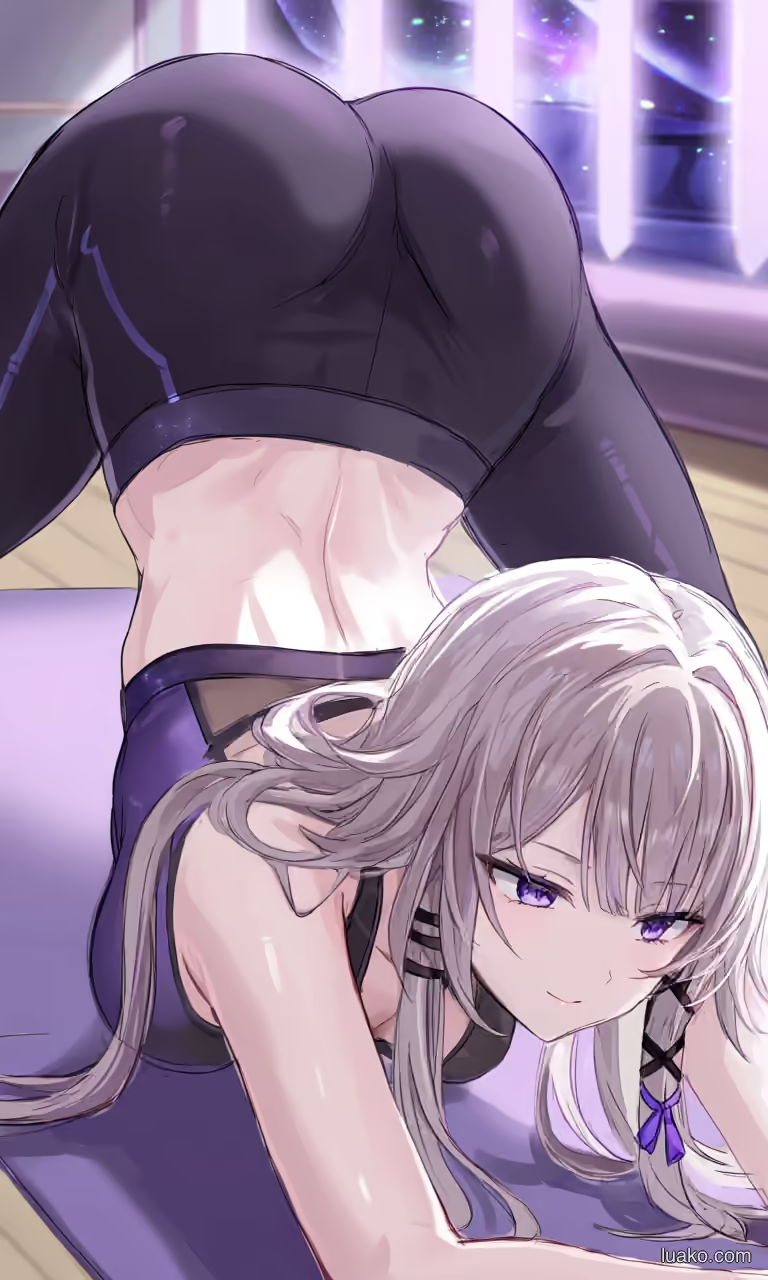
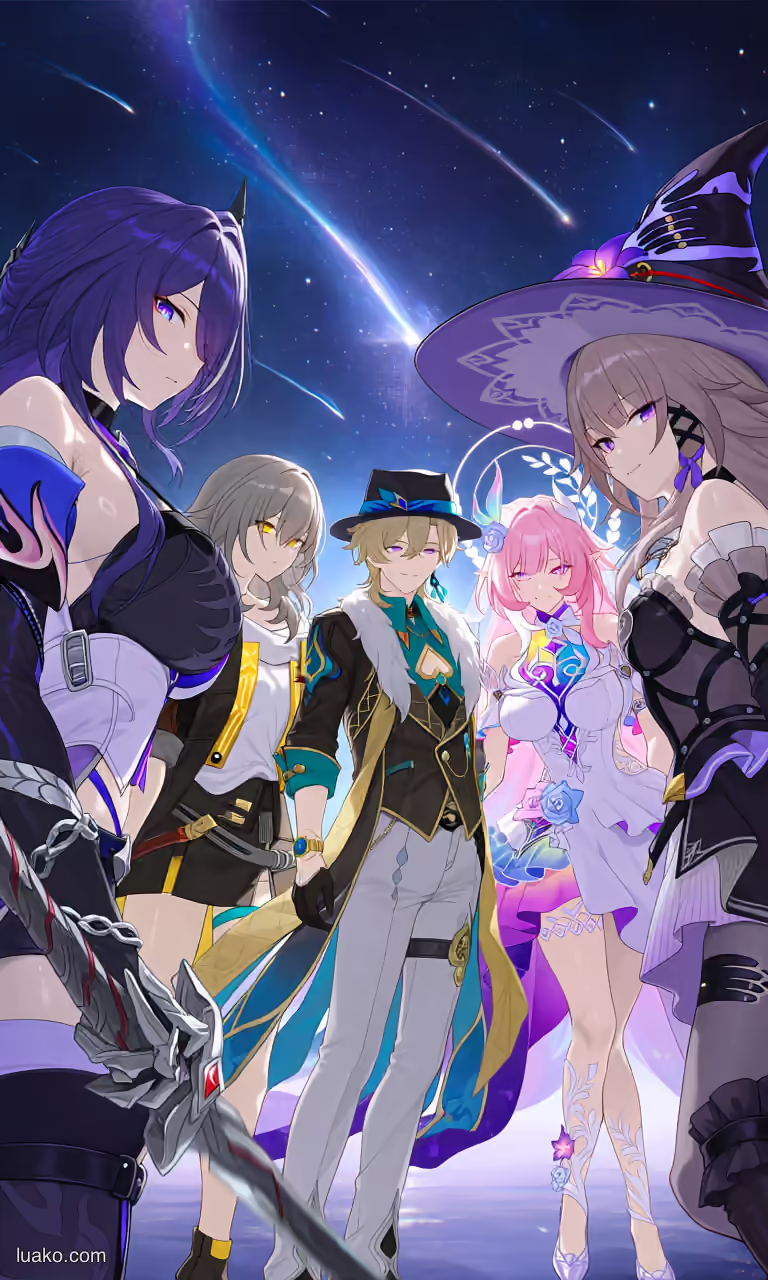
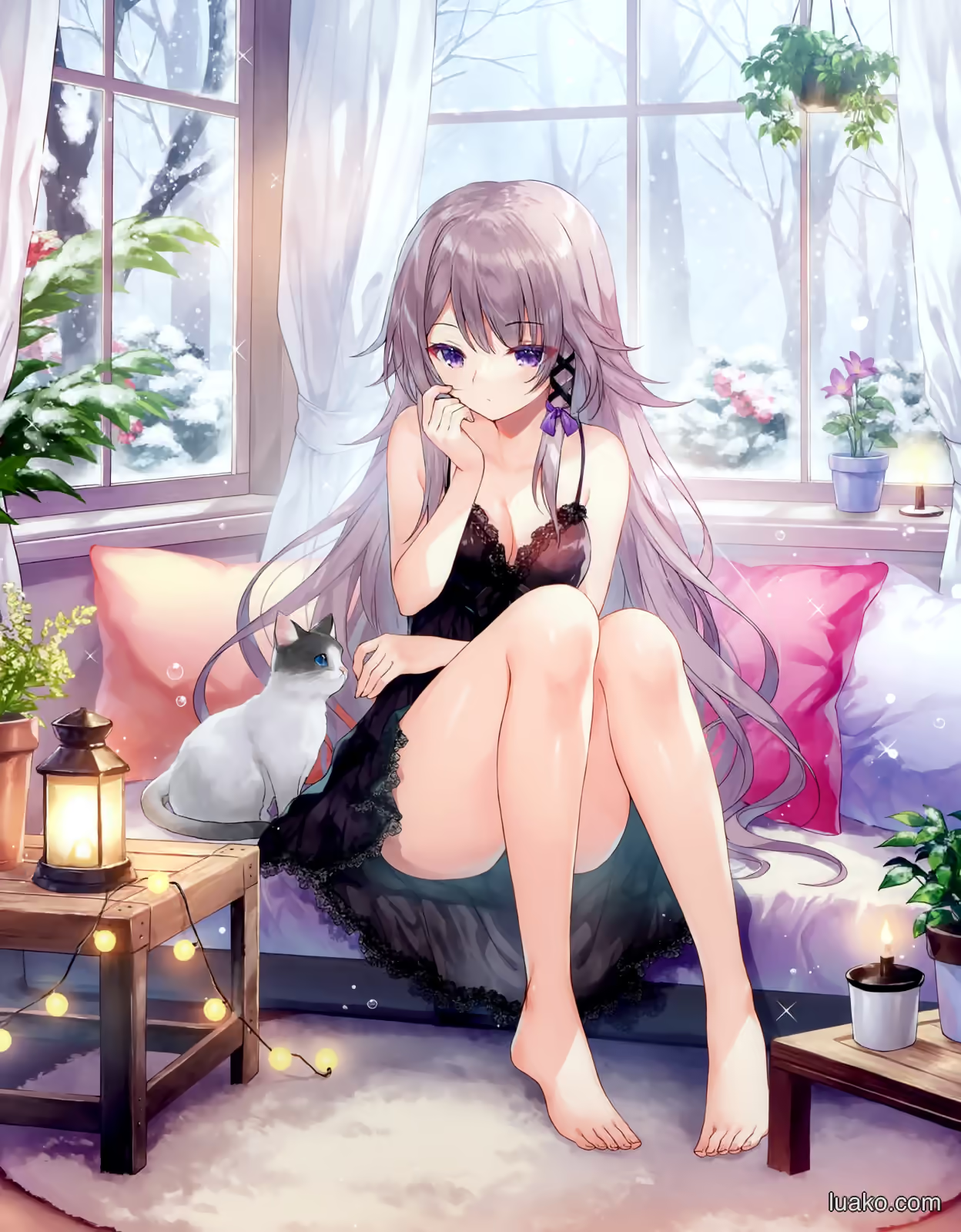
Explore artwork of The Herta, the real researcher behind the familiar puppets, recognizable by her wide witch’s hat and purple-accented attire.