Kama — Fate/Grand Order
Interesting factsBiographyThe story, the personality, and everything in between.Read biographyClose biography
Kamaカーマ
Assassin-class Pseudo-Servant and divine spirit associated with love and desire
Kama is an Assassin-class Pseudo-Servant in Fate/Grand Order, a weary and sharp-tongued manifestation of the Indian god of love. The deity who once used flower arrows to kindle desire has little patience left for matchmaking: after a disastrous encounter with Shiva, Kama considers other people’s romances more trouble than they are worth. Her languid sarcasm can turn malicious, yet her attention to the very humans she disparages makes her less indifferent than she pretends.
Behind the flowers and elegant ascensions is a dangerous divine spirit.
Biography
A god of love with no patience for love
Kama takes her name from the Indian deity of love and desire. In the mythological episode that shapes her Fate characterization, the gods need Shiva to turn his attention toward Parvati. Kama interrupts his meditation with a love-inducing arrow and is burned by the fire of Shiva’s third eye. Her epithet Ananga, “the incorporeal one,” recalls that loss of a body. Being made to suffer for helping with someone else’s romance is the grievance she has never forgiven.
Fate/Grand Order summons her as a female Pseudo-Servant: a fragment of a divine spirit inhabiting a human vessel, not the mythological male god appearing unchanged. Her host influences her listless disposition, while her divinity accounts for the powers behind her apparently ordinary appearance. Assassin is the class of this playable Spirit Origin, not a claim that Kama lived as a human assassin.
A divine spirit who would rather take a break
Kama’s refusal to play Cupid is not an inability to wield her bow. Her flower arrows can stir love, but she is sick of serving as an intermediary for other people’s feelings. She would rather heckle a happy couple, needle Parvati or look for some entertaining weakness in a stranger. Her pessimism often makes even those small acts of malice feel like too much work.
The character makes her Fate/Grand Order debut alongside the event Tokugawa Restoration Labyrinth, Ooku, which begins with Chaldea confronting a mysterious attack and a transformed, maze-like version of the Edo Castle women’s quarters. Kama’s connection to this episode is central to her major story, although its most consequential revelations belong in the spoiler section below.
A complicated presence around Chaldea
As a summonable Servant, Kama treats the Master with bored contempt and insistent curiosity. She makes a show of regarding the Master as a plaything, yet keeps watching to see how they respond and whether they will abandon her. The hostility is real; so is the attention she tries to disguise. Their relationship is not a canonically fixed romance, and her more consequential choices belong in the spoiler account.
Personality and Motivations
Kama is often bored, dismissive and almost aggressively unwilling to work. Her sarcasm targets people who speak about love as if it were automatically beautiful, and she finds amusement in spoiling others’ romantic expectations. Yet she rarely behaves like an endlessly energetic villain: the same fatigue that feeds her contempt can stop her from acting on it.
The contradiction is more revealing than her sneers. She professes to hate humanity, yet pays close attention to humans; she can love others as a deity while struggling to accept care directed toward herself. The character materials describe a tentative, shy sincerity buried beneath her bad temper. A patient response can unsettle her more effectively than grand flattery.
Her view of affection is neither gentle nor impartial. Kama knows desire can expose insecurity and become a way to manipulate people, and she is quite willing to exploit that weakness. It would be a mistake to turn her occasional perceptiveness into a spotless moral code: her mockery, cruelty and hunger for attention coexist.
Appearance
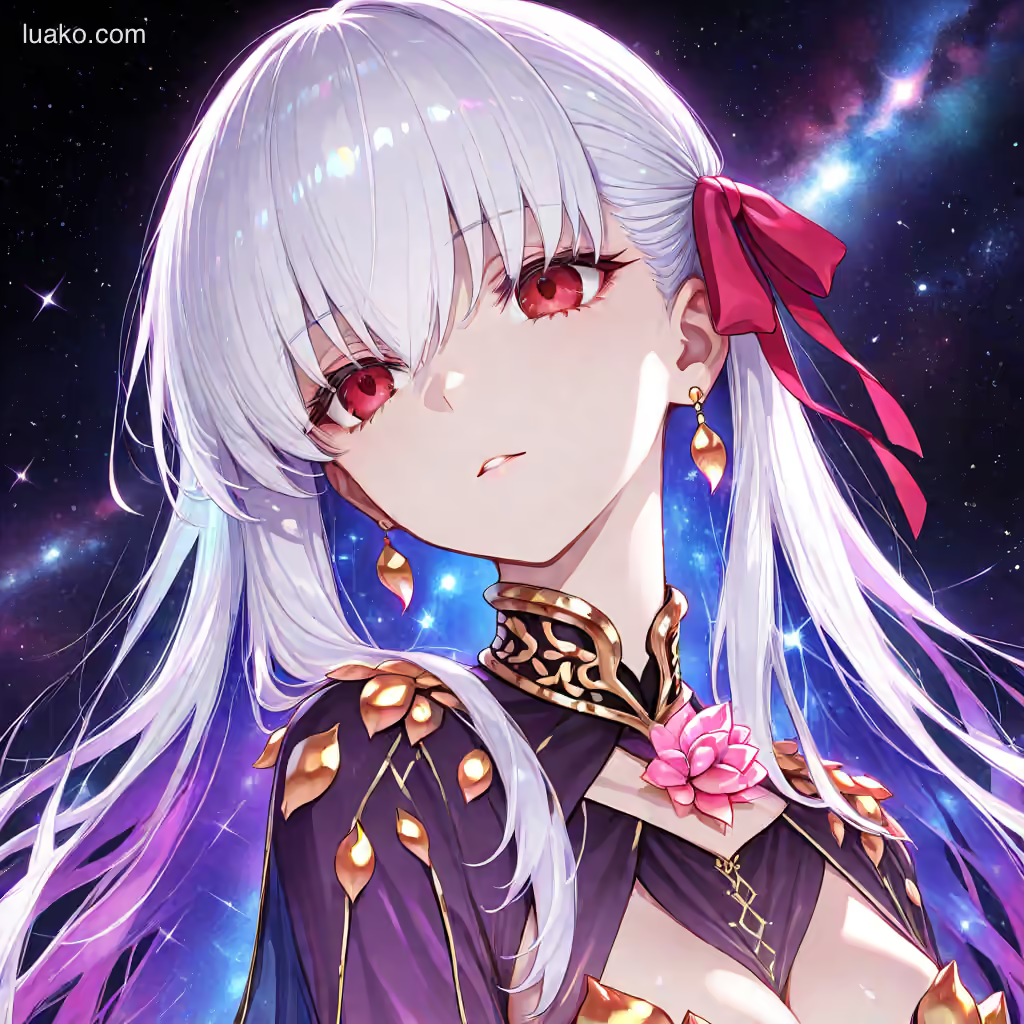
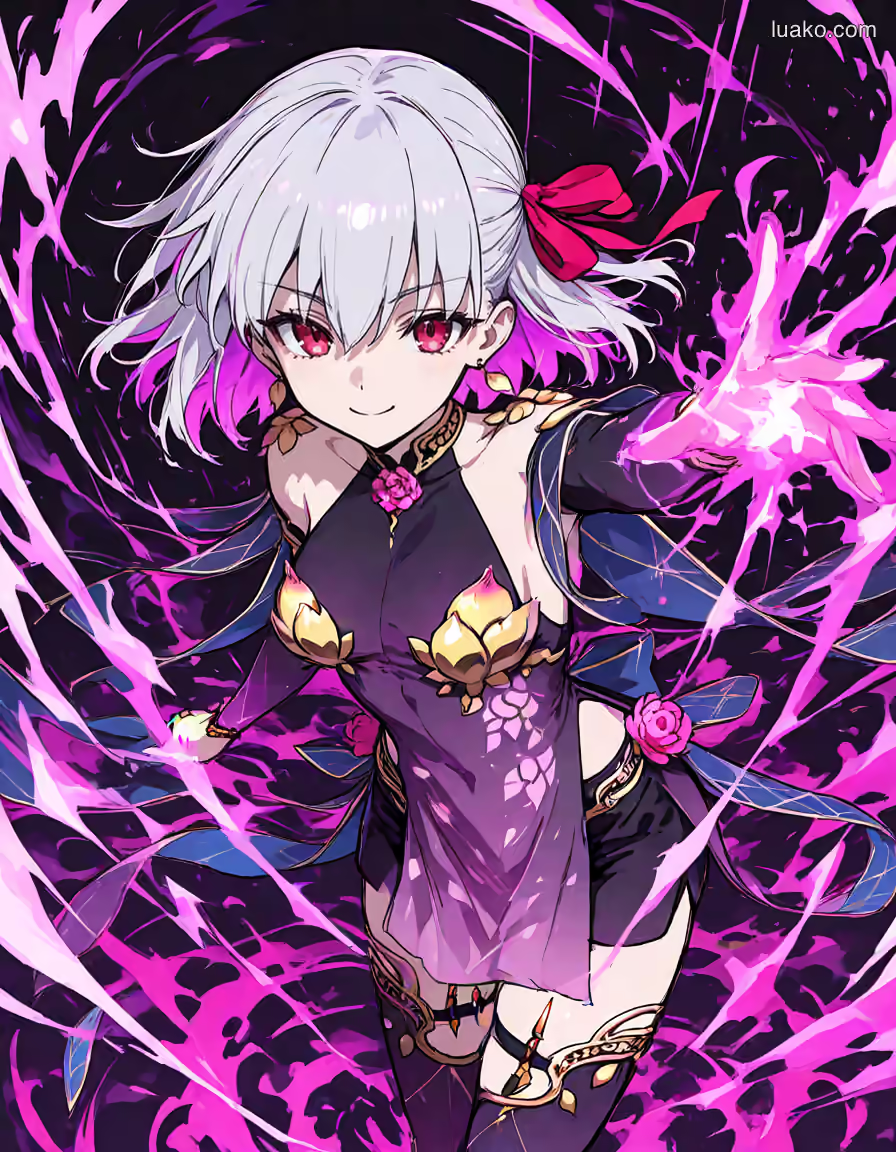
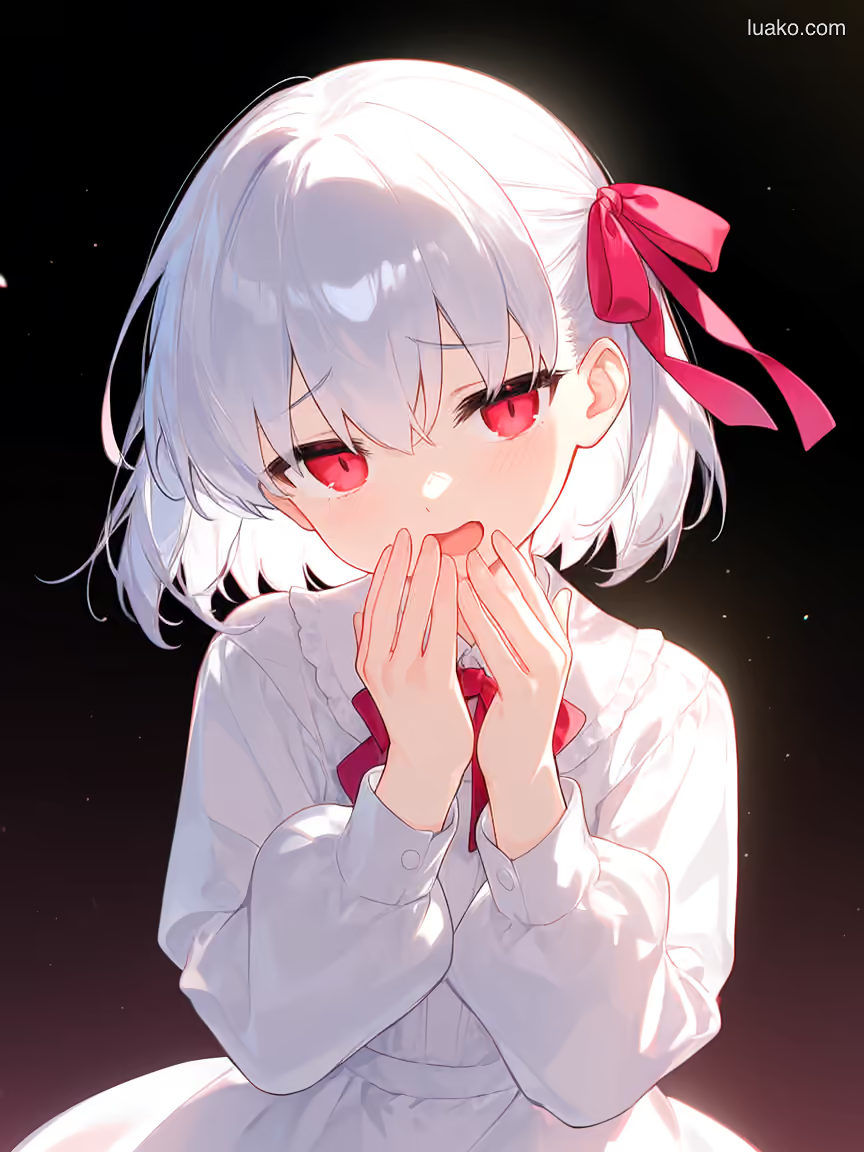
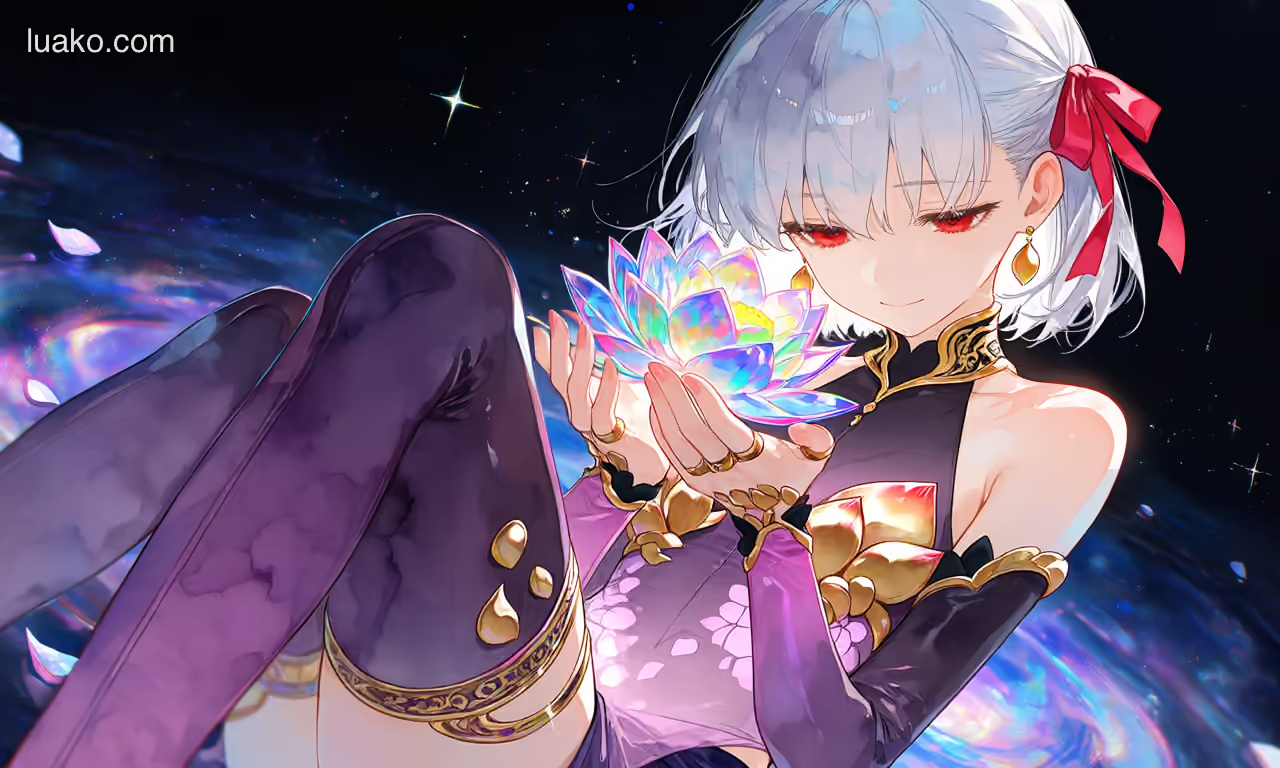
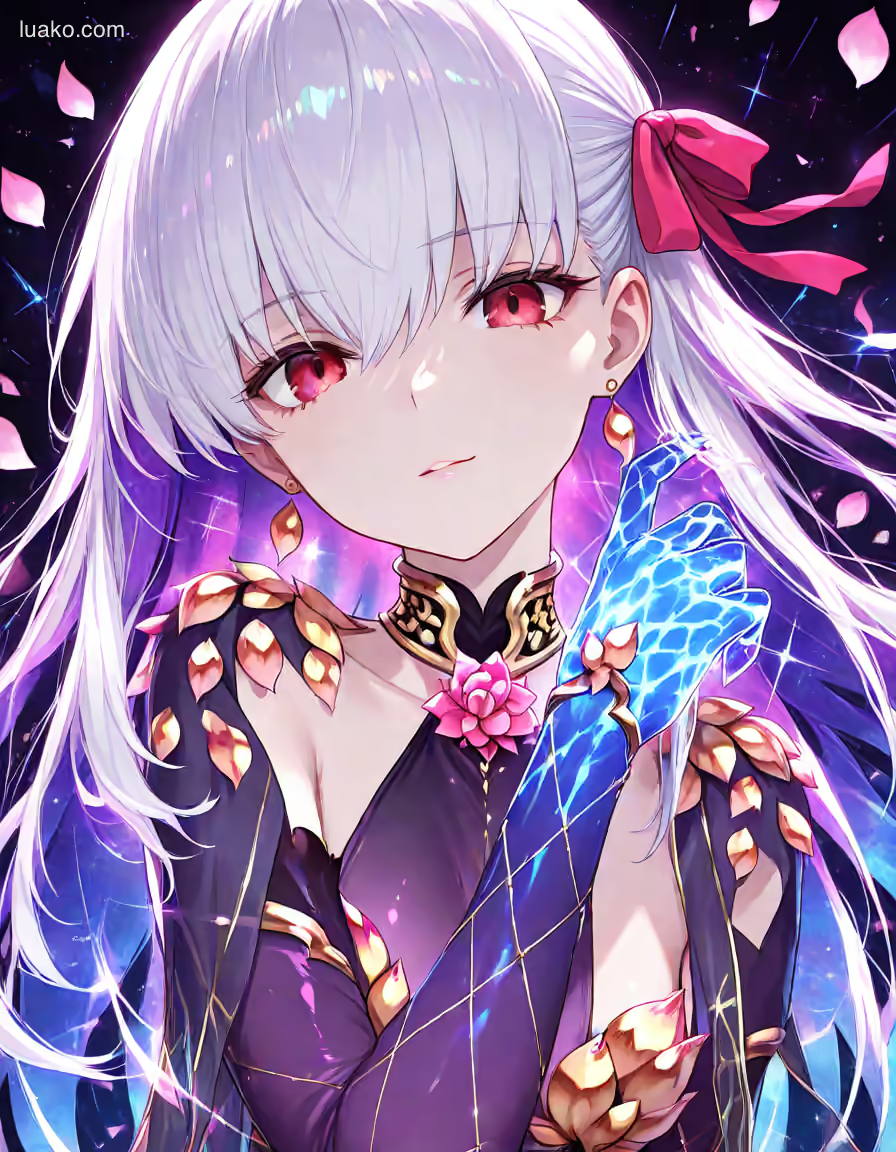
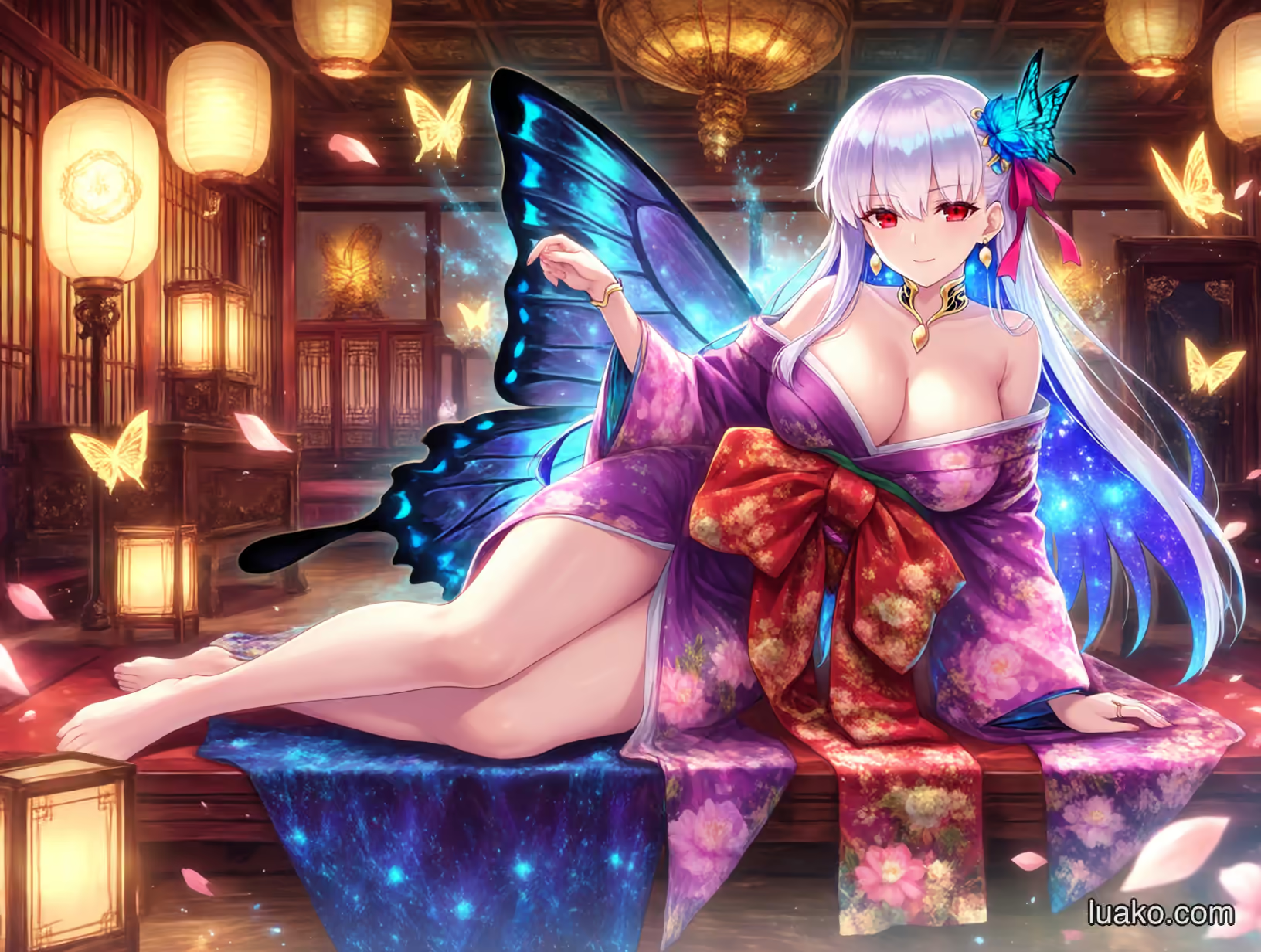
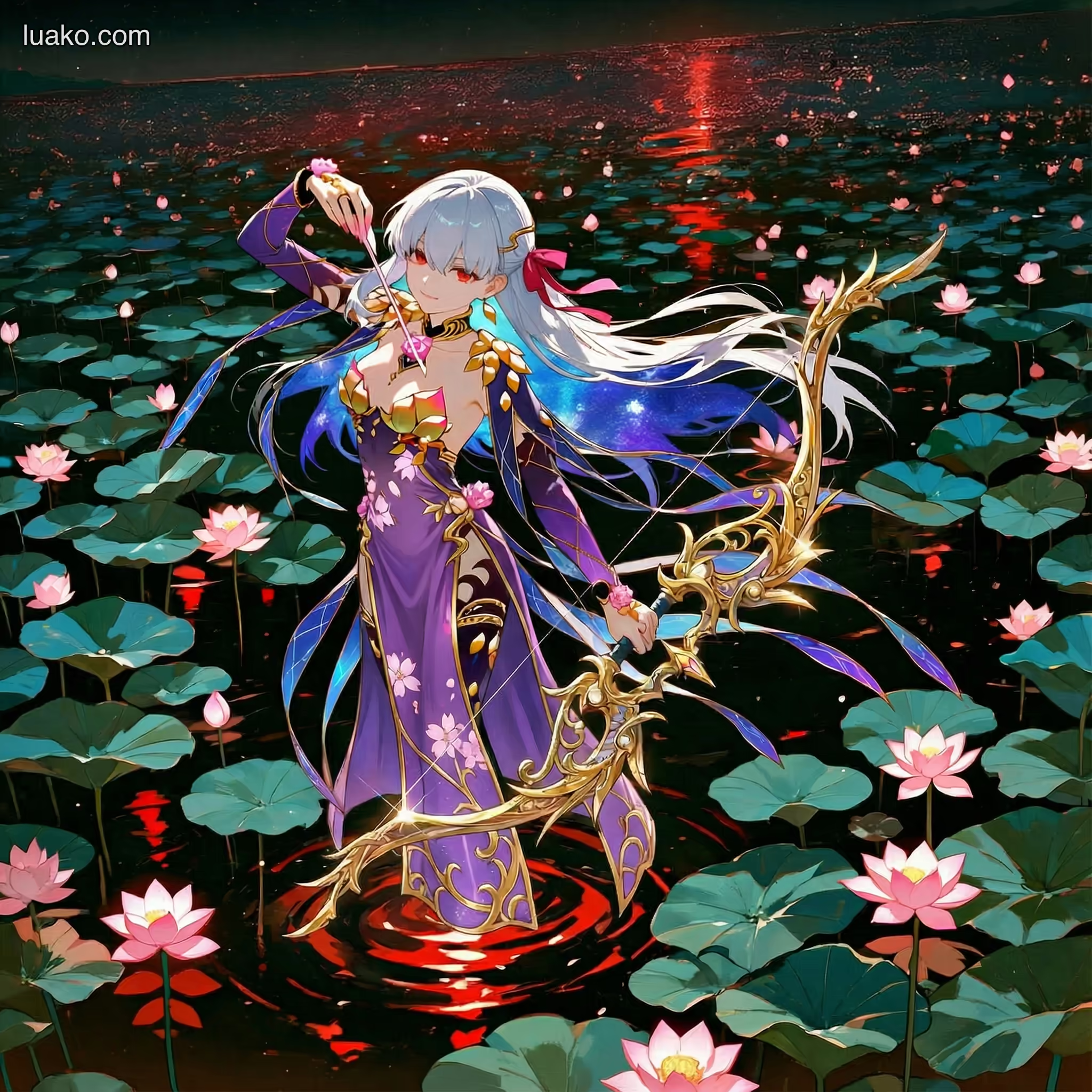
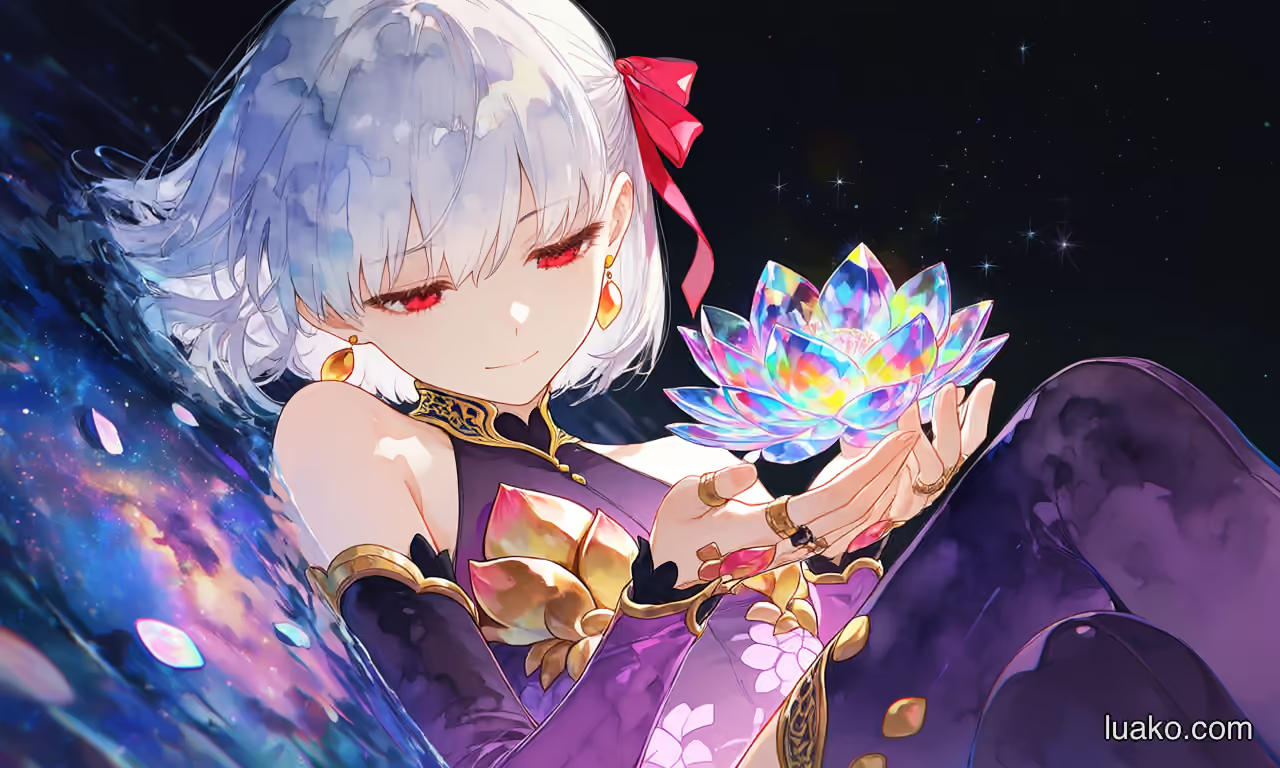
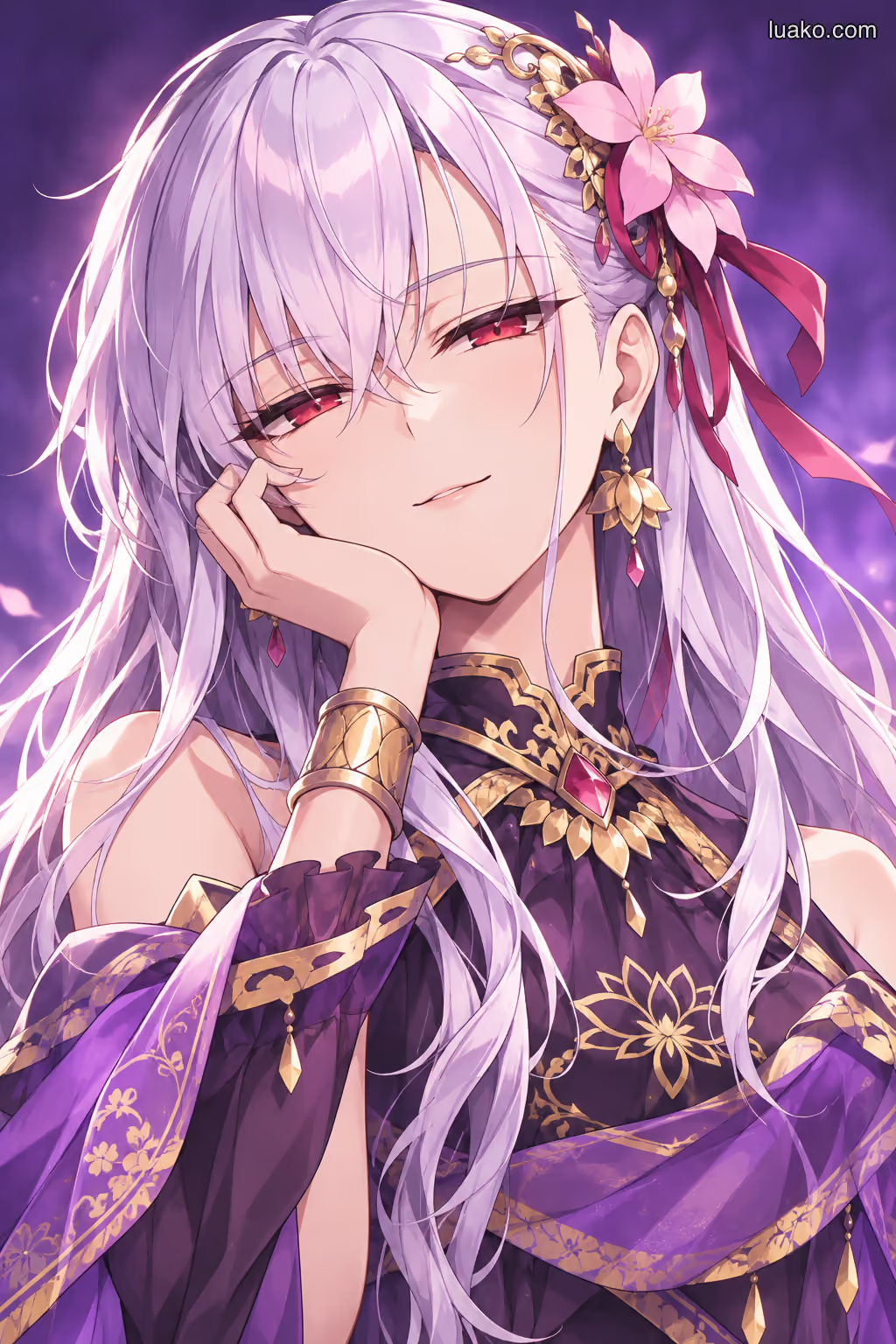
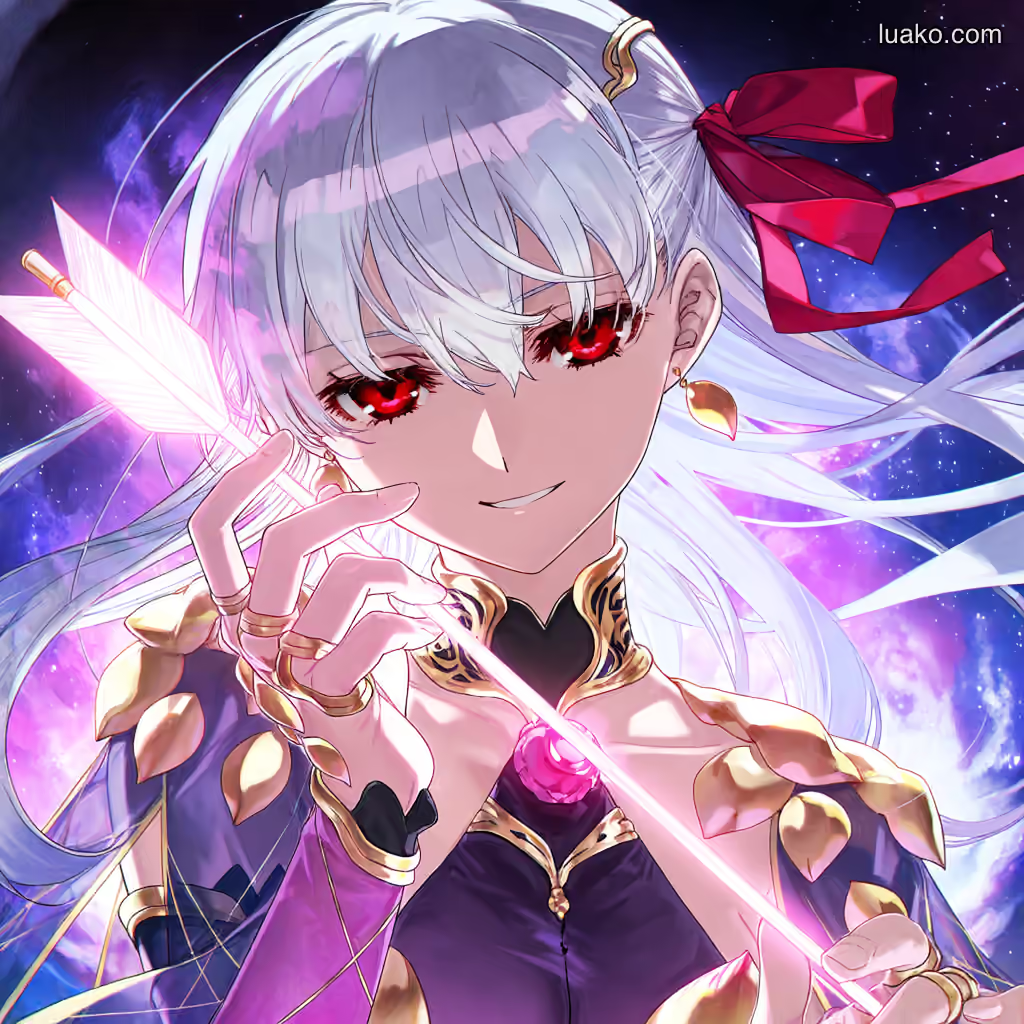
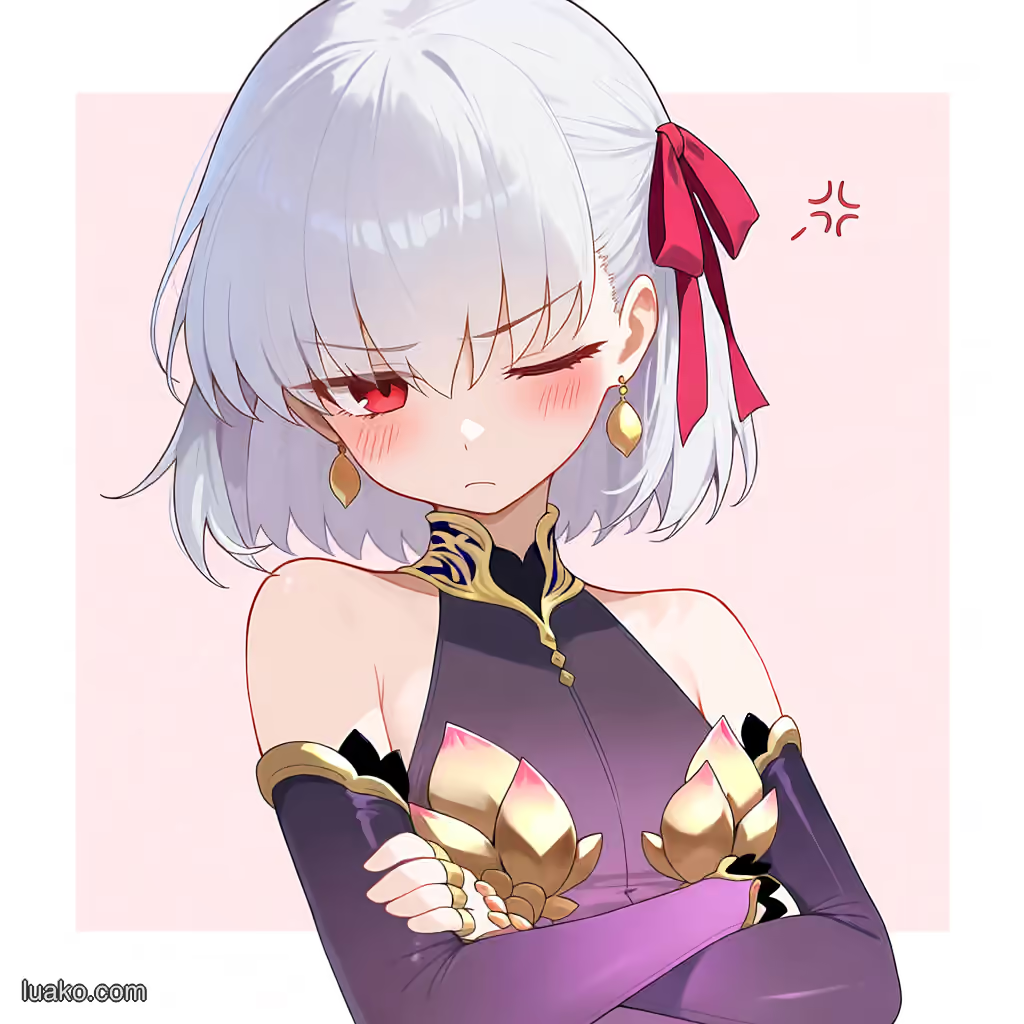
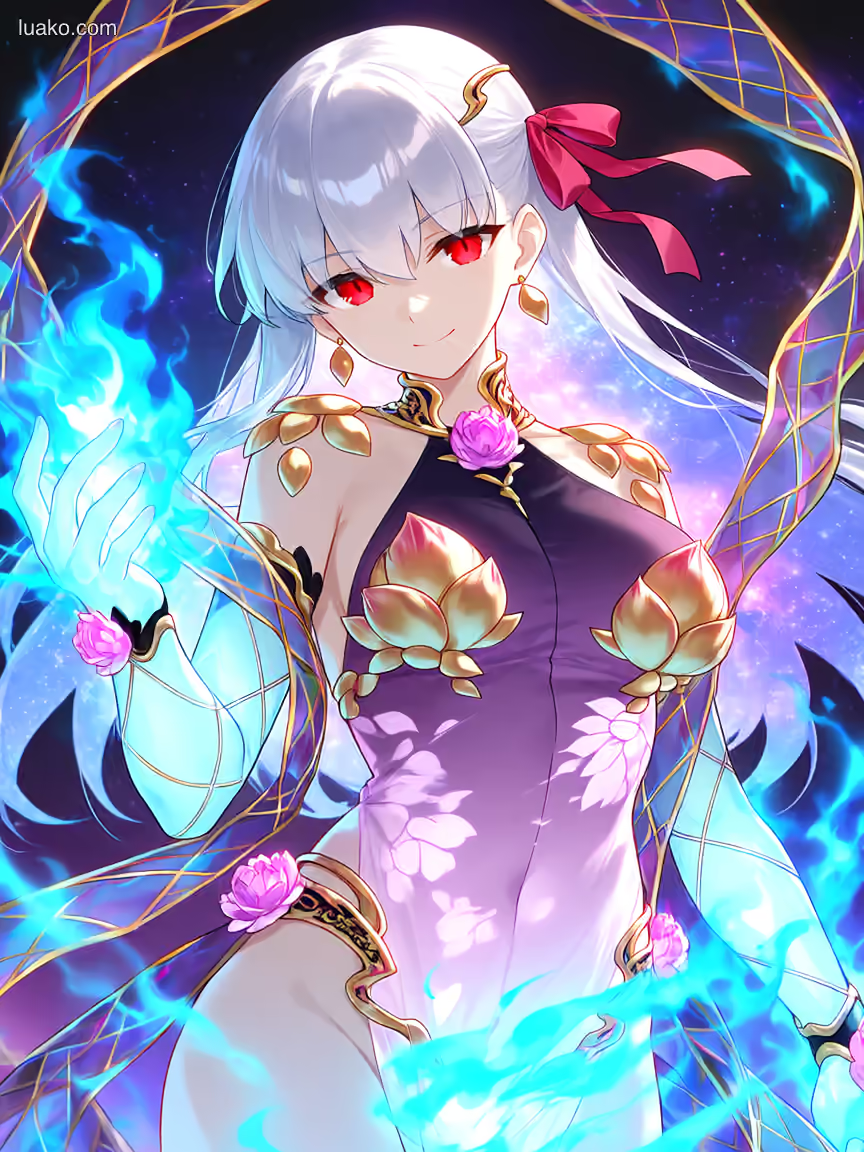
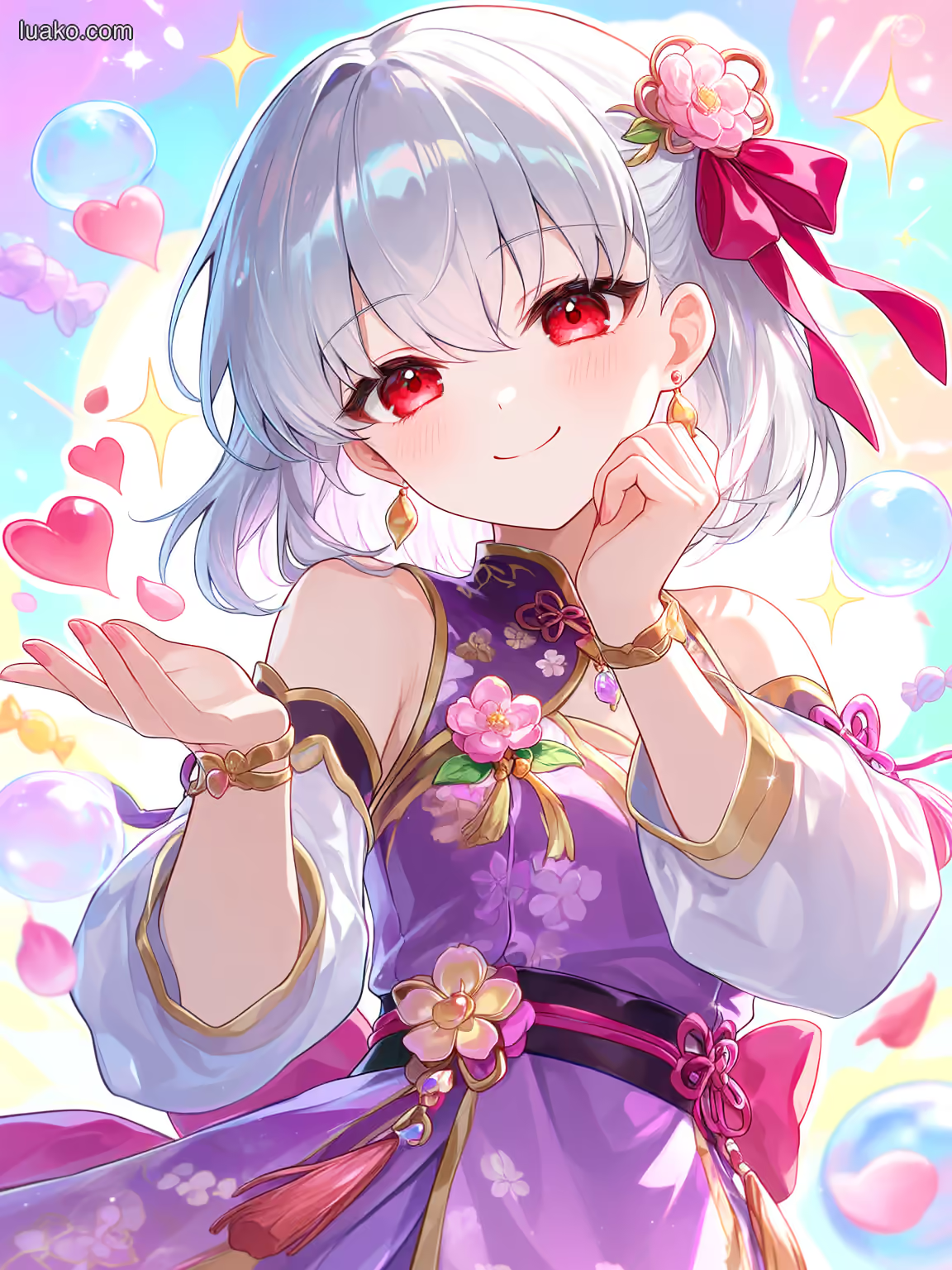
The Assassin design gives Kama silver-white hair, reddish eyes and richly ornamented clothing in violet, black and gold. Flower motifs, jewelry, flowing fabric and a bow tie her visual identity to the god of desire. The human-vessel design also distinguishes this female manifestation from the traditionally male god of Indian mythology.
Her three principal ascensions progress from a distinctly younger-looking presentation to more mature designs, without establishing an ordinary passage of years. The final design uses star-filled hair and blue, flame-like effects along her limbs. Illustrator ReDrop discusses the deliberate three-stage development and its cosmic motifs in Fate/Grand Order material VIII.
Quick facts
- Class
- Assassin (main version)
- Type
- Pseudo-Servant / Divine Spirit
- Mythological origin
- Indian mythology: Kama, the deity of love and desire
- Associated title
- Ananga — “the incorporeal one”
- Primary event
- Tokugawa Restoration Labyrinth, Ooku
- Weapon imagery
- Bow and flower arrows
- Illustrator
- ReDrop
- Japanese voice actor
- Noriko Shitaya
Abilities
Kama Sammohana
Kama Sammohana is a Rank C, Anti-Unit Noble Phantasm: a flower arrow that awakens feelings of love in the person it pierces.
Limitations: The material lists a maximum of one target; Kama resents being pressed into matchmaking.
Saṃsāra Kama
Saṃsāra Kama is another Rank C, Anti-Unit manifestation of the flower arrow. In an aspect emphasizing the incorporeal Kama and her tempter nature, the body she lost is interpreted as the arrow itself.
Limitations: The material specifies a maximum of one target; this form is tied to a particular manifestation rather than a freely interchangeable effect.
The Incorporeal One (Ananga)
An EX-ranked personal skill associated with Shiva burning Kama’s body and the title Ananga, “the incorporeal one.” Its mythic basis is the loss and rebirth of the love god’s form.
Blessing of the Goddess
A B-ranked personal skill described as taking vitality from an allied Servant to restore Kama’s own health.
Limitations: The restorative effect comes at the expense of an ally, rather than providing a cost-free blessing.
Divine Core of the God of Love
The B-ranked Divine Core of the God of Love supports the stability of Kama’s mind and body while allowing her a limited capacity to change her physical form.
Limitations: The manifestation cannot transform beyond the framework of its human vessel.
Magic Resistance and Riding
Magic Resistance A protects against magecraft of A rank or lower; Riding A permits mastery of most mounts and vehicles.
Limitations: Riding excludes phantasmal beasts and divine beasts.
Relationships
Parvati
Divine acquaintance and frequent target of Kama’s resentment
Kama connects her own misfortune to being drawn into the romance of Parvati and Shiva. Their interactions are openly antagonistic, though Parvati is difficult for Kama to unsettle.
Shiva
God whose divine fire destroyed Kama’s original body
The incident involving Shiva’s third eye shapes Kama’s identity as Ananga and her lasting hostility toward being used as a love-god intermediary.
Chaldea’s Master
Potential contractor and recurring focus of Kama’s teasing
Kama approaches a Master with cynicism, tests their reactions and resists displaying sincere concern. Their rapport depends on the particular in-game circumstances rather than an automatically established romance.
Sessyoin Kiara
An unsettling divine counterpart and adversarial acquaintance
Kama’s character material explicitly treats Kiara as someone she would rather avoid. Their more consequential encounter and its implications belong to the spoiler account.
Interesting facts
In the historical/mythological image described by Fate’s character materials, Kama rides a parrot.
It is an unusual, specific attribute of the Indian love deity and offers an alternative to the generic comparison with Cupid.
ReDrop credits Takeuchi with proposing a deliberately ambitious three-stage progression for Kama’s design.
That production decision helps explain why her ascension artwork changes apparent age and visual mood so dramatically.
Fate/Grand Order material VIII lists a vajra among Kama’s general armaments, alongside the familiar bow and arrows.
Her armament references extend beyond the flower-arrow imagery usually associated with a love deity.
Official Fate/Grand Order materials note that Kama’s Noble Phantasm name and animation change with ascension stage.
This makes the connection between appearance and her differing modes of divine power part of the game presentation itself.
Frequently asked questions
Who is Kama in Fate/Grand Order?
Kama is an Assassin-class Pseudo-Servant drawing on the Hindu god of love. In FGO she manifests in a female human vessel and has a sarcastic, disillusioned attitude toward matchmaking.
Is Kama the same as Cupid?
Not exactly. The Fate character draws on Kama, a deity from Indian mythology. The character materials compare Kama’s love-arrow role to the Greco-Roman figure of Eros or Cupid, but they remain different mythological figures.
Why does Kama dislike romance?
She resents the suffering she experienced after intervening in Shiva and Parvati’s relationship, and now treats the demands placed on a god of love with bitterness and suspicion.
What does Ananga mean?
Ananga means “the incorporeal one,” a title connected to Kama losing a physical body after Shiva burned him with his third eye.
What is Kama’s Noble Phantasm?
Her Assassin form uses Kama Sammohana and Saṃsāra Kama, connected expressions of her flower-arrow power. Their presentation varies with her ascension and divine aspect.
Why does Kama look different between ascensions?
The designer intentionally gave her a three-stage transformation of apparent age and visual complexity. Her mature-looking stage includes cosmic hair and flame-like body details.
Is Kama a playable Assassin?
Yes. The original version is a limited five-star Assassin Servant introduced in connection with the 2019 Ooku event in the Japanese release.
Major story spoilers below.
The nature of Kama’s vessel and the shadow of Mara
The Kama encountered in Ooku is a fragment of the Kama/Mara Divine Spirit drawn into a human Pseudo-Servant vessel. When Parvati made use of a different aspect of Sakura Matou’s body, a darker aspect was left available to Kama/Mara. That helps explain the shared Sakura-faced appearance and Kama’s particular bitterness. The vessel influences her disposition; it does not simply transplant Sakura’s entire personal history into the goddess. Ordinarily the Kama side predominates, but a stronger Mara aspect makes a Beast-class awakening possible.
Mara is not an unrelated demon that suddenly replaces Kama. Her personal skill Mara Pāpīyas expresses the tempter side of the same being. After Shiva reduced Kama to ash, Fate’s interpretation connects her bodiless existence to the very universe associated with Shiva’s destructive power. That conceptual connection, combined with Mara’s authority over desire, becomes the basis of the far greater threat revealed in Ooku.
The labyrinth of Ooku and the attempted birth of Beast III/L
As Chaldea’s Servants disappear, the surviving rescuers enter the distorted Ooku of Edo Castle. Kama has engineered a labyrinth that converts the space and those within it into instruments of temptation. She aims to corrupt the intruders, exploit the Tokugawa-themed rules of the enclosure and accelerate her development into Beast III/L. The labyrinth is central to the plan: it provides a bounded world in which a vast divine maturation can be forced forward.
Beast III/L is the Lapse side of Beast III, contrasted with Sessyoin Kiara’s Beast III/R. Kiara’s version of ruinous desire centers love upon herself; Kama spreads a seemingly limitless love outward, offering to satisfy every person until the wish to act or grow disappears. It is coercion disguised as generosity. Kama also wants to outdo the opposing half by defeating the Chaldea Master who had already thwarted Kiara.
The Master’s party, with help from Parvati, Yagyu Munenori, Kasuga-no-Tsubone and other allies, refuses the labyrinth’s promised comfort and dismantles the assumptions giving it force. The loss of Kama’s control of the Tokugawa-themed enclosure undermines her attempted Beast manifestation, and the rescuers defeat her. This stops the immediate threat; it is not a claim that every future summon or appearance of Kama ceases to exist.
After defeat: an unwanted new bond
After the battle, Kiara reaches Kama in the inner world left by her defeat. Rather than absorb her, Kiara binds Kama to the Master as a kind of repayment for the harm she caused, knowing that being required to perform good deeds will irritate her. Kiara also challenges her to understand the love involved in watching another person grow. Kama accepts the prospect partly because it gives her a new chance to surpass her rival—and, characteristically, to annoy Parvati.
A summer Saint Graph: Kama as Avenger
The Chaldea Summer Adventure storyline introduces a separate, playable Avenger-class Kama, rather than changing her original Assassin Spirit Origin. Her summer transformation is partly an effort to recover her frightening image as Mara, especially after Parvati treats her with less alarm than she would like. It also makes her more proactive in trying to win the Master’s attention. Her tendency to become flustered when that attention is returned survives the new costume.
The summer Avenger has her own skills and Noble Phantasms, including Kama Rūpāstra and Mara Śūnyatā. Her Makara-shaped float and summer-specific magical attacks are details of that Saint Graph, not part of the ordinary Assassin’s standard armament. The two playable classes must not be treated as simultaneous stages of one mandatory narrative upgrade.
Paper Moon: fighting for someone else’s return
In Ordeal Call I: Paper Moon, Kama accompanies Chaldea’s Master and Sion into the virtual inner domain of the malfunctioning Paper Moon device. The party becomes involved in a simulated Holy Grail War, and Kama’s familiar sarcasm does little to conceal how important the Master’s safe return is to her. Her resemblance to Sakura carries special weight around Medusa and a Sakura-like figure, while a confrontation with the annihilating goddess Durga reveals the limits of her ordinary strength.
At the climax, BB explains that the Kama participating in the final struggle has been separated as an Alter Ego representing a normally suppressed wish to receive love herself. When the goddess Kali threatens the virtual world, this Alter Ego uses Ananga’s connection to Shiva’s flames and a dangerous opportunity created by the Master and Sion to confront her. Kama offers Kali an echo of Shiva through the fires that once burned her, diverting Kali’s destructive longing.
The strategy carries a cost: Kama understands that she is giving up her own chance of winning the simulated Grail War so that the Master can return home. The Alter Ego of Longing finally admits the desire to be loved, then burns away within the Paper Moon conflict. This is the fate of an event-specific separation of Kama—not a declaration that the original Assassin Servant dies permanently. Her choice also casts her older claims of helping only to corrupt others in a very different light.
Additional story facts
Fate/Grand Order material VIII describes the ordinary Kama/Mara balance as approximately six parts Kama to four parts Mara.
This makes the change to Beast III/L a shift in the same composite existence, not the arrival of an unrelated demon.
The Beast III/L material explains that her vast universe-scale authority cannot simply be directed with its full force at one chosen individual.
Her reliance on corrupting large numbers of people introduces a meaningful conceptual weakness beneath the apparent infinity of her power.
Beast III/L’s Anti-World Noble Phantasm is associated with two True Names, Saṃsāra Kama and Mara Avarodha, rather than only one.
The double naming explicitly joins the love god and the tempter facets in a single catastrophic Noble Phantasm.
Summer Kama’s Avenger material describes a Makara-shaped inflatable as her mount in place of the familiar mythological parrot.
It is a specific, playful reinterpretation of the love god’s mythological mount for the separate swimsuit Saint Graph.
Spoiler questions
Is Kama Beast III/L?
Her Kama/Mara manifestation is capable of developing into Beast III/L, the Lapse side of Beast III. Ooku depicts her attempt to mature into that form; the Assassin Servant and the Beast are related states, not identical class assignments at all times.
How are Kama and Sessyoin Kiara connected?
They embody opposing approaches to the Beast III principle of desire. Kiara directs love toward herself; Kama’s ruinous power is presented as giving love to everyone else. After Ooku, Kiara also helps establish Kama’s path toward being summoned in Chaldea.
Why does Kama use Sakura Matou’s appearance?
The Fate account says Parvati’s manifestation leaves a darker aspect of the girl’s vessel that attracts a fragment of Kama/Mara. This explains the visual resemblance and why the summoned goddess develops her particular temperament.
What defeats Kama in Ooku?
Chaldea’s allies disrupt her control over the Tokugawa-themed Ooku and defeat her during the climax, preventing her from maintaining the promised world of endless corruption.
Is summer Kama the same playable class?
No. The summer Kama is an Avenger-class alternate Saint Graph, while the original playable Kama is an Assassin. The Avenger has different skills, weapons and a summer-specific personality emphasis.
Does Kama help in Paper Moon?
Yes. Kama helps the Master and Sion during Paper Moon and, in the climax, an Alter Ego split off from Kama confronts Kali using the fire associated with Shiva. The plan costs that manifestation its own wish to win the simulated Grail War.
Does the Paper Moon story establish that Kama permanently dies?
No. The climax depicts a specially separated Alter Ego of Longing burning away inside the simulated Paper Moon conflict. It does not establish the permanent death of the original Assassin-class Kama across Fate/Grand Order.
Tags
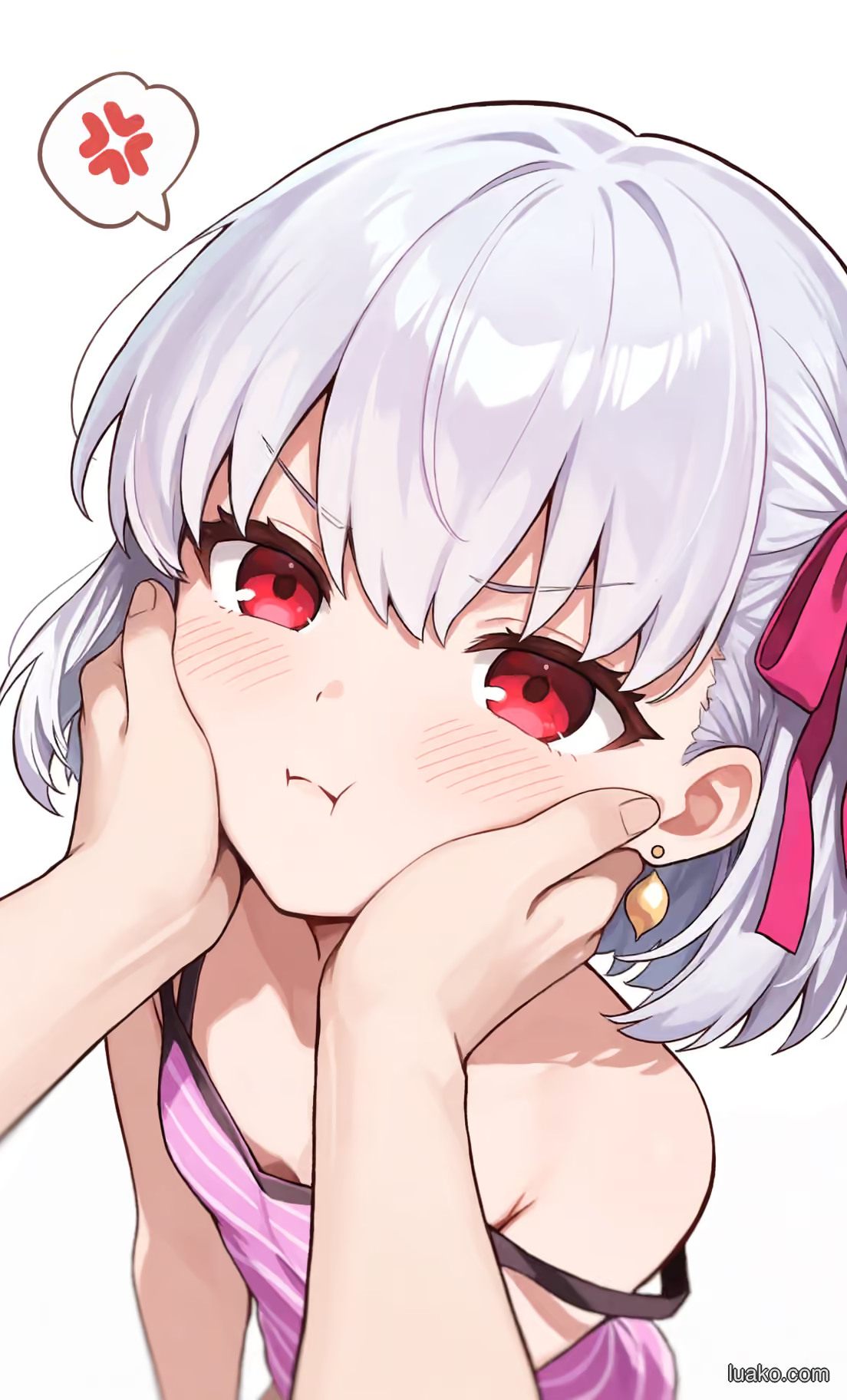
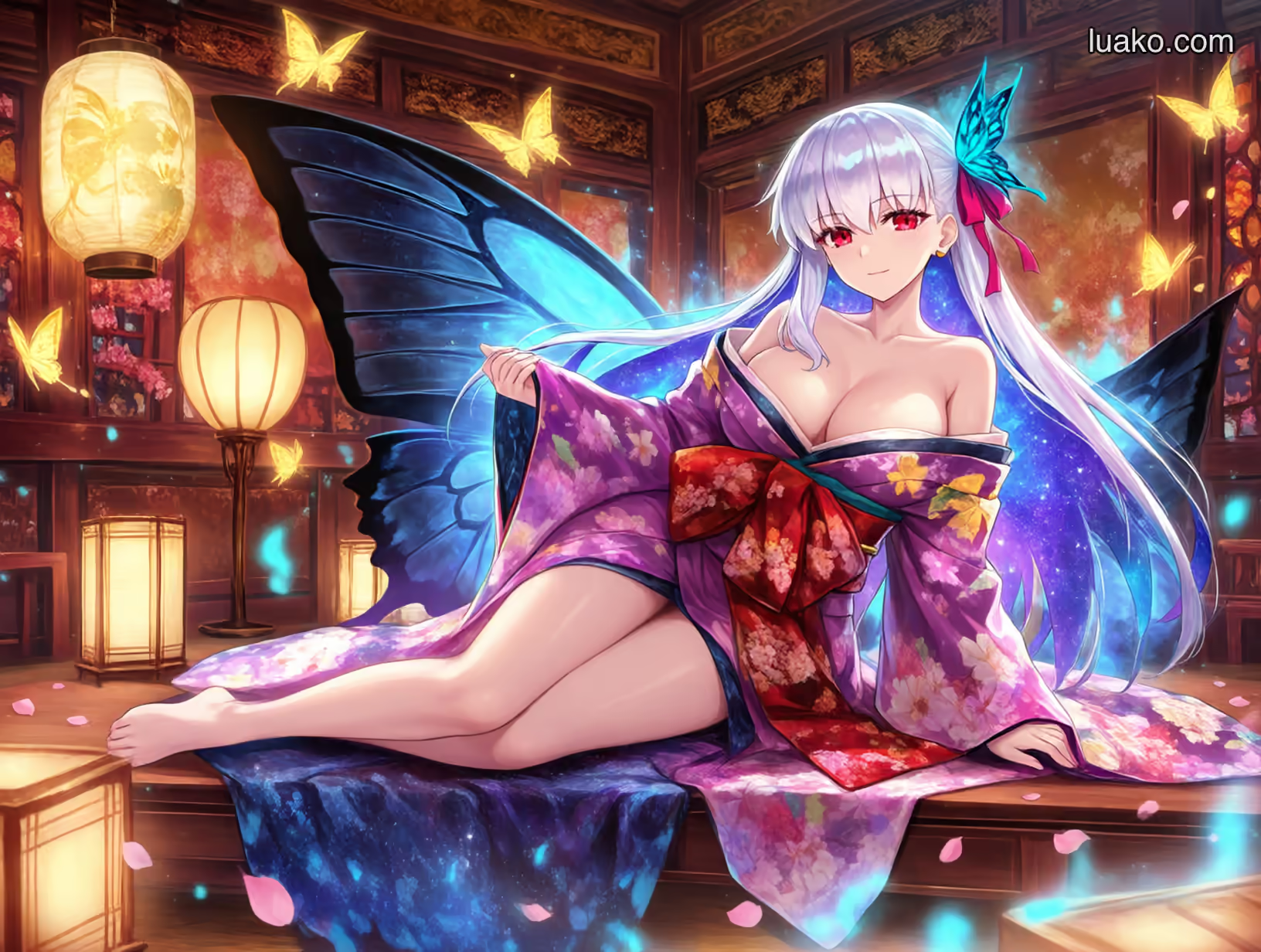
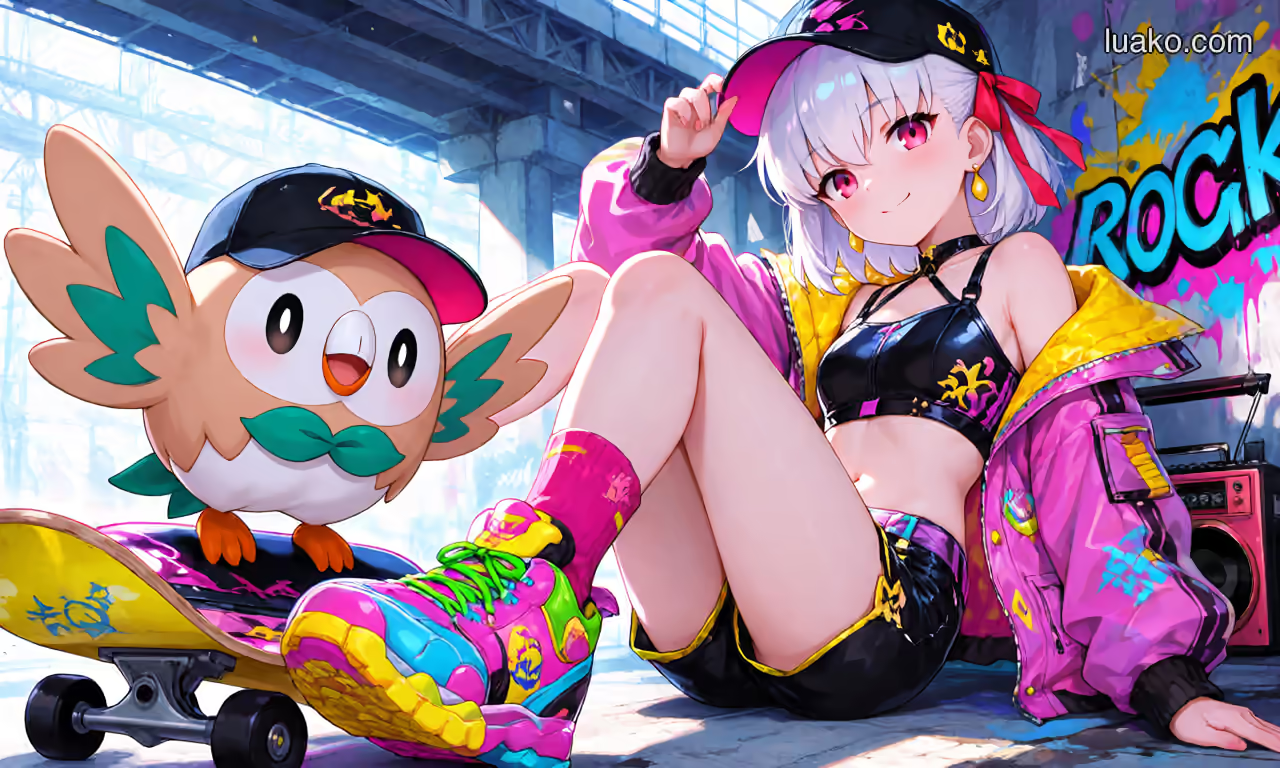
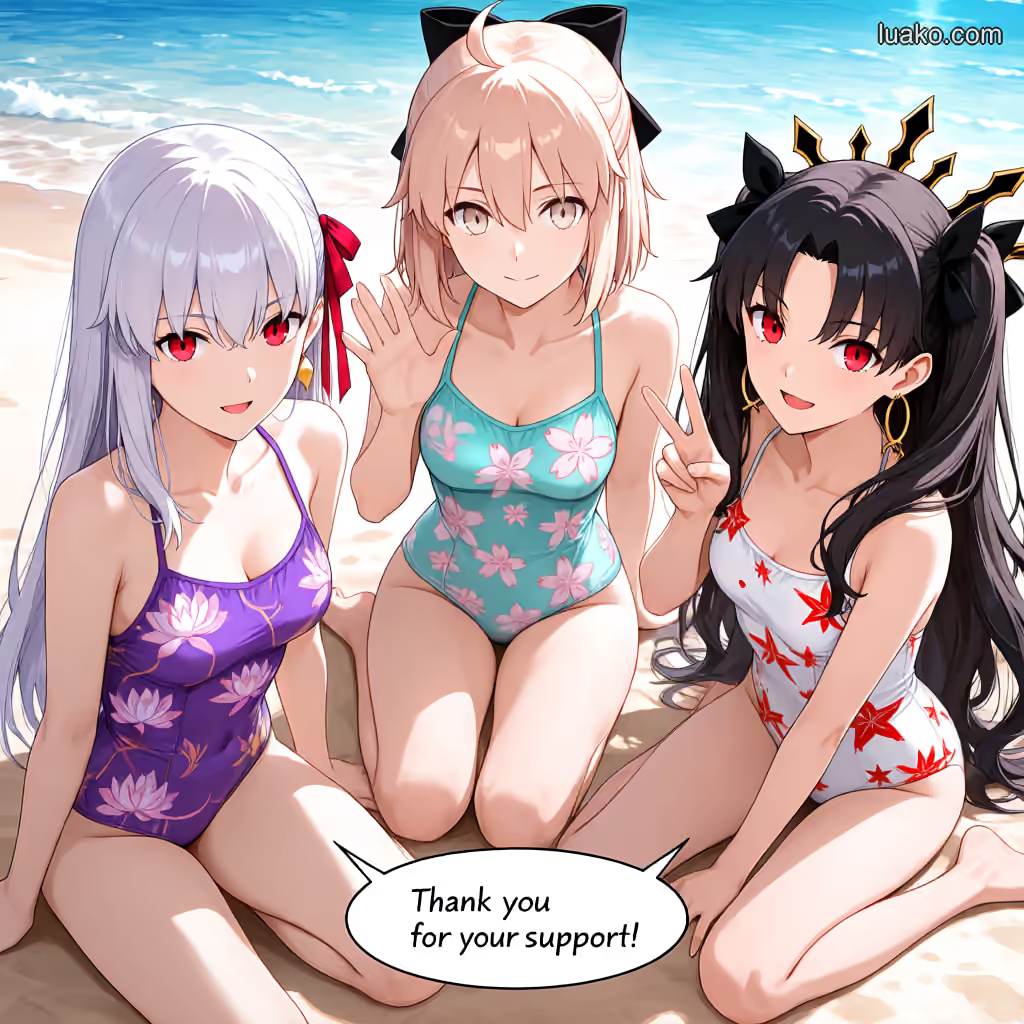
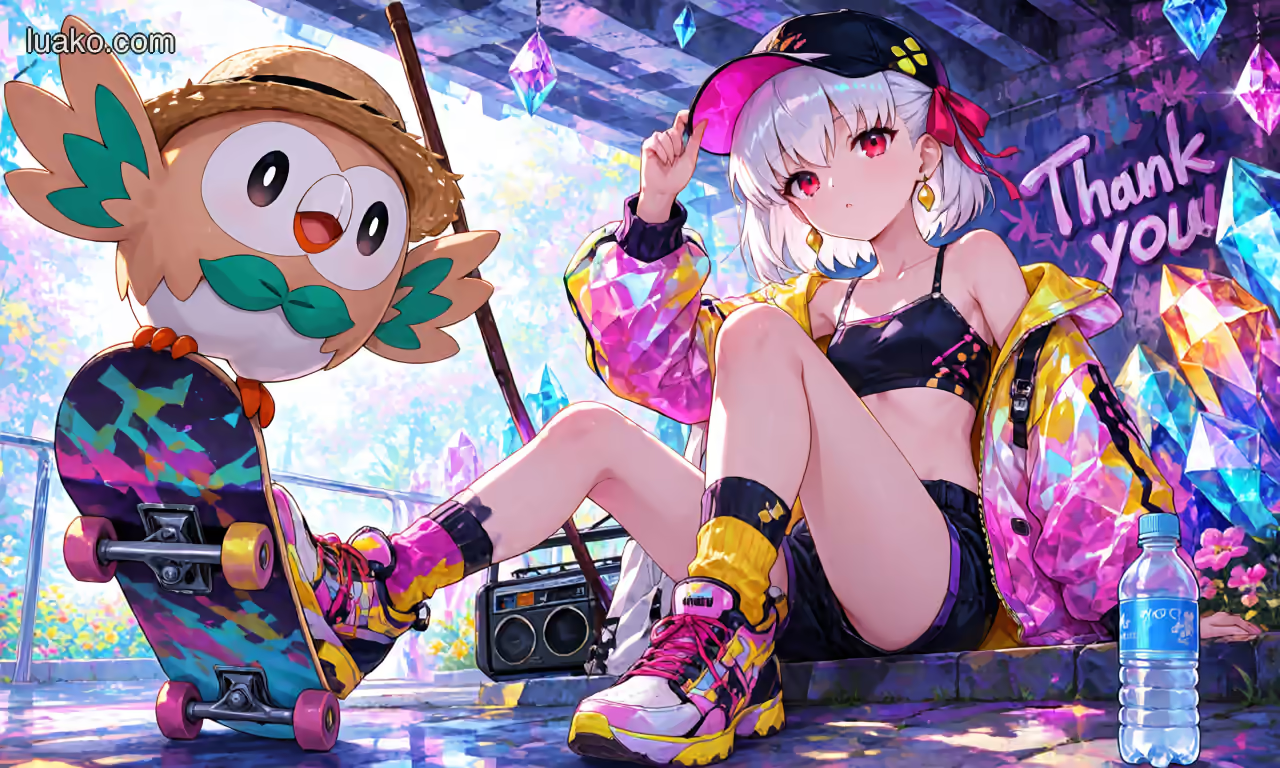
Kama Artwork Gallery
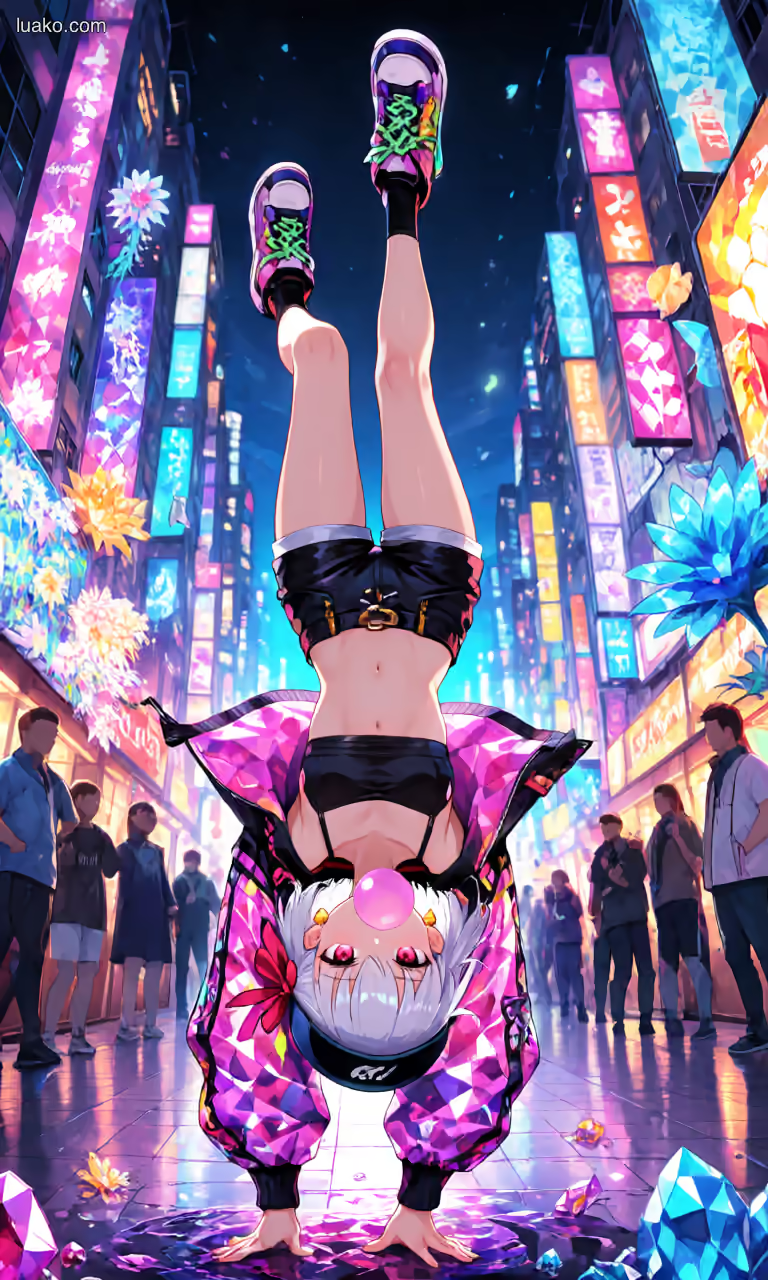
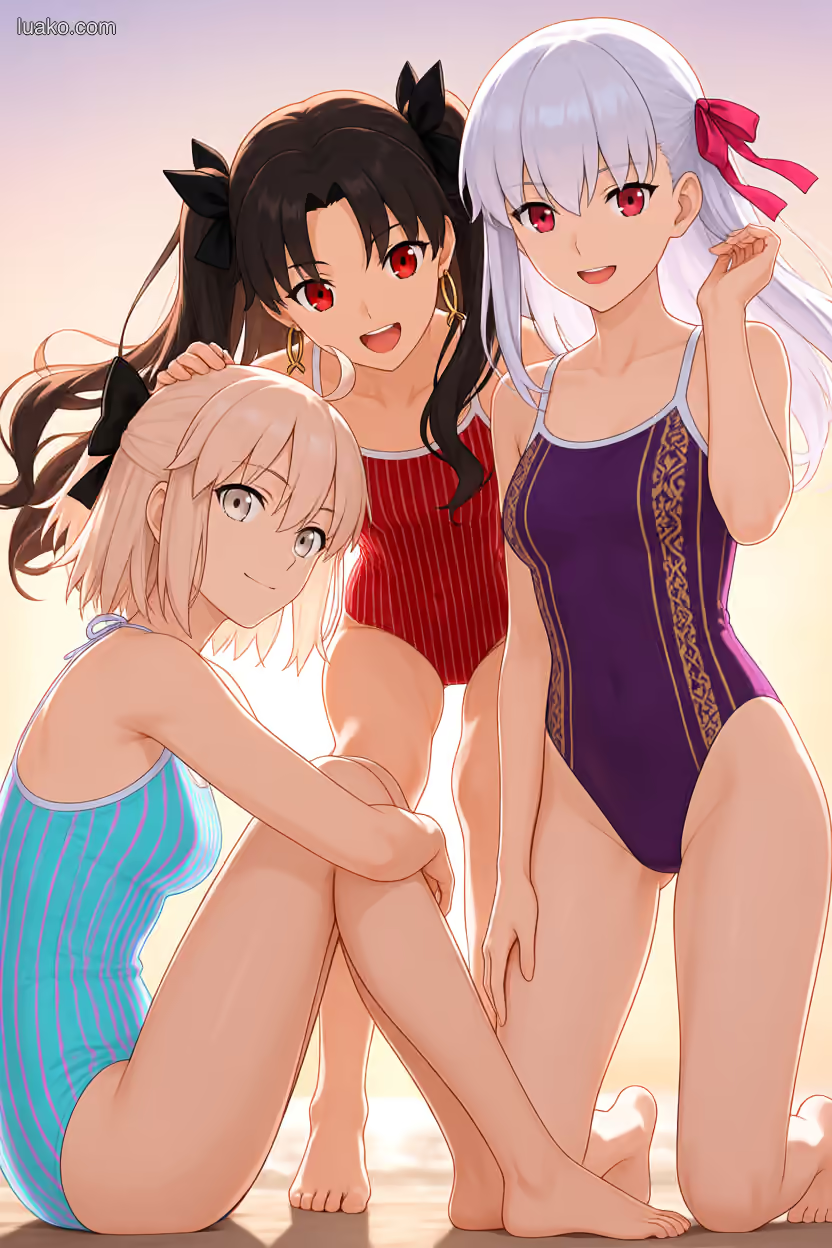
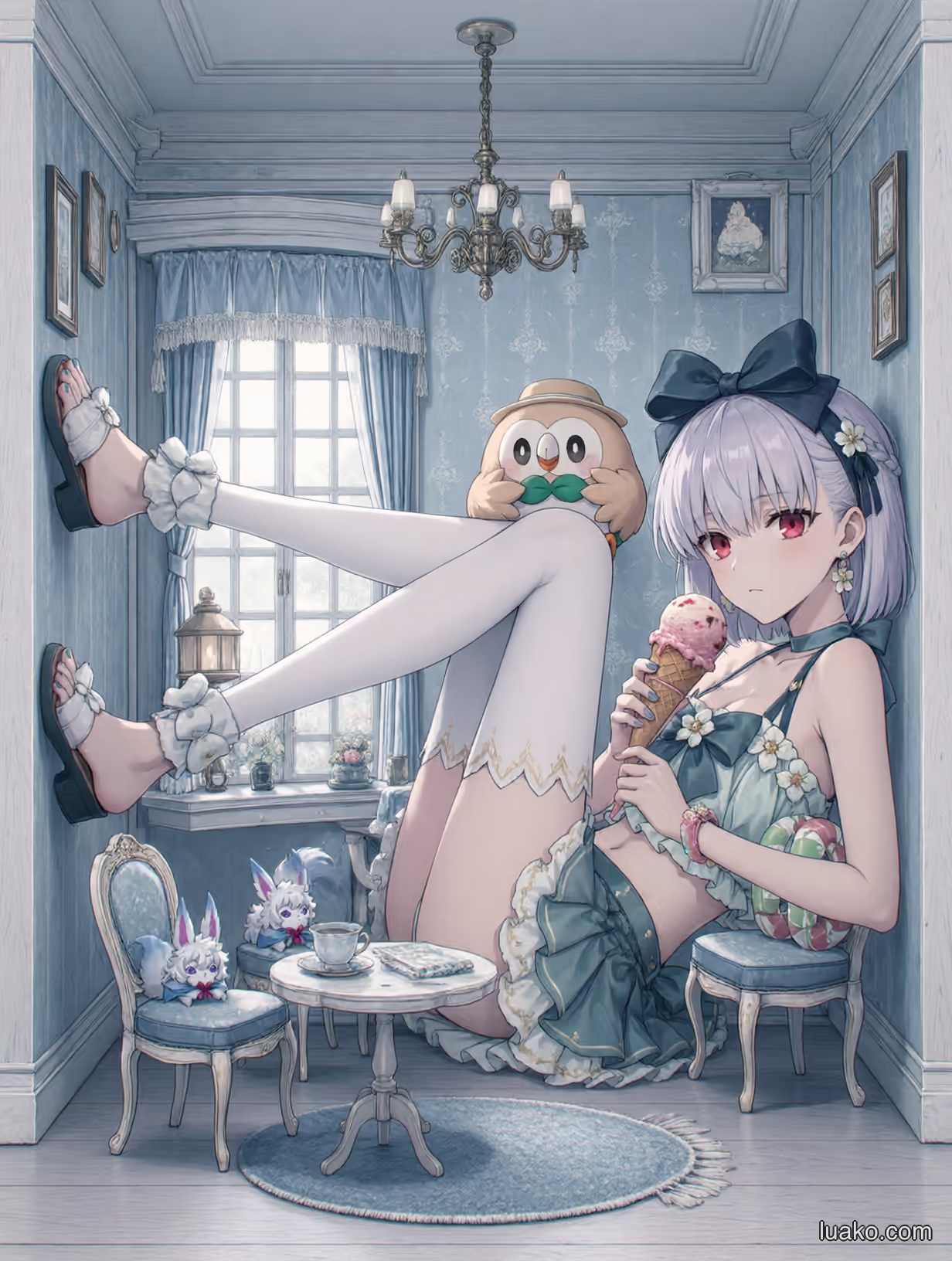
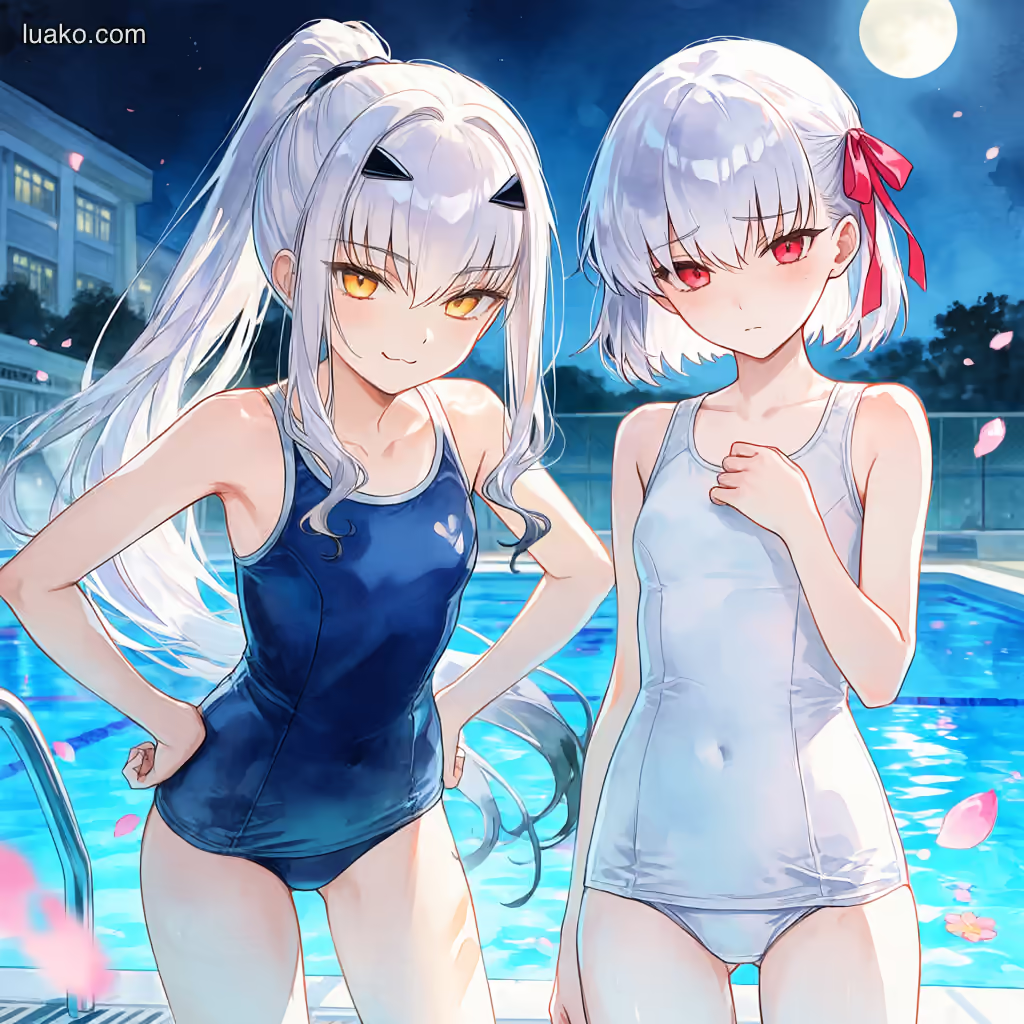
Browse artwork featuring Kama, the flower-arrow-wielding Assassin from Fate/Grand Order.