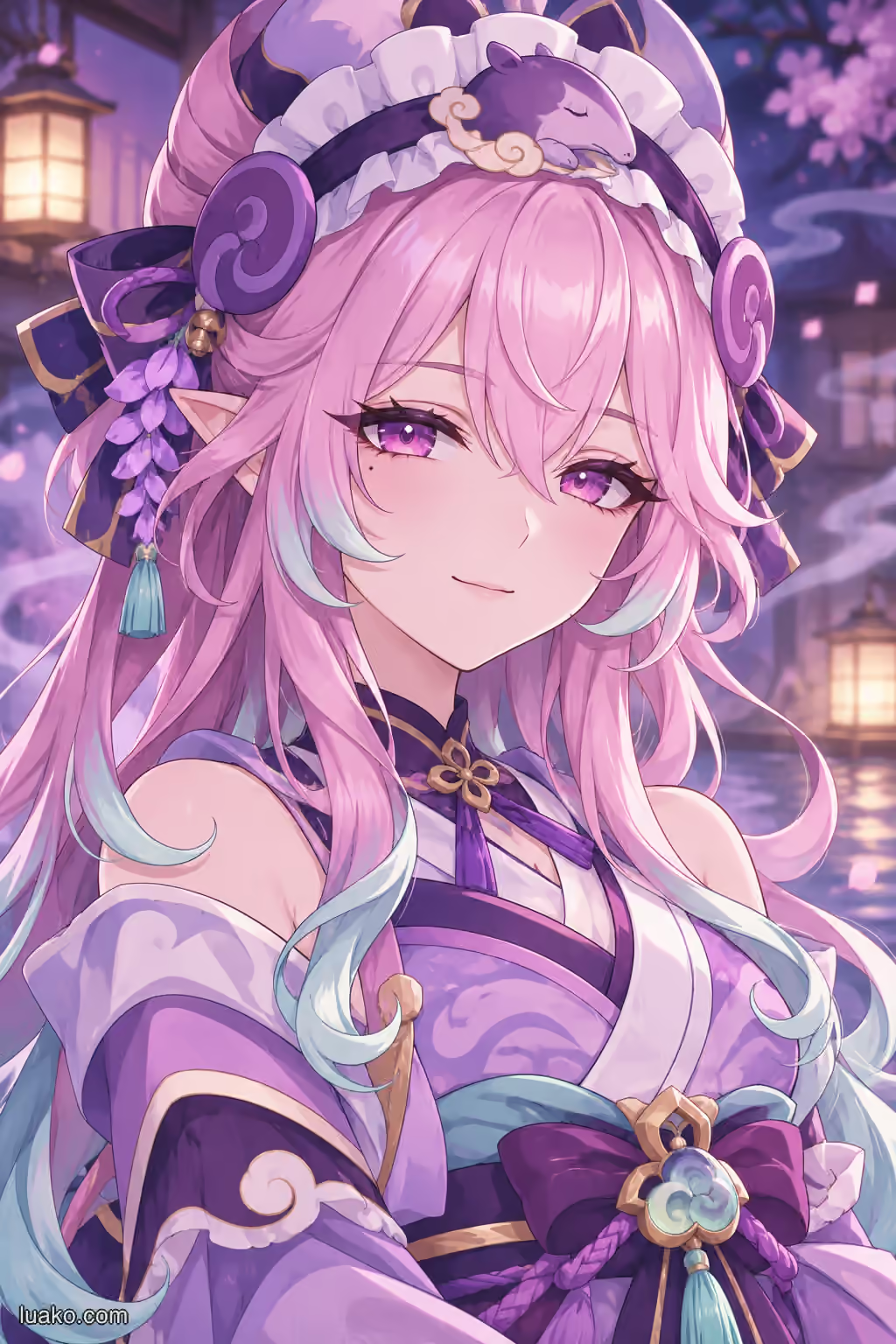
Yumemizuki Mizuki — Genshin Impact
BiographyBiography
The story, the personality, and everything in between.Read biographyClose biography
Biography
The story, the personality, and everything in between.Read biographyClose biographyYumemizuki Mizuki夢見月瑞希
Inazuman yumekui-baku, clinical psychologist, and major shareholder of Aisa Bathhouse
Yumemizuki Mizuki is a playable character in Genshin Impact and a yumekui-baku, a dream-eating youkai from Inazuma. A respected clinical psychologist and major shareholder of Aisa Bathhouse, she helps people work through troubled sleep with attentive conversation, restful surroundings, and the ability to consume nightmares. Her Anemo Vision, centuries-old friendship with Yae Miko, and insistence on addressing the feelings beneath bad dreams distinguish her from an ordinary bathhouse hostess.
For Mizuki, lasting relief matters more than the comforting appearance of a problem simply vanishing.
Biography
A Dream-Eating Youkai of Inazuma
Mizuki belongs to the yumekui-baku, youkai traditionally associated with entering dreams and devouring nightmares. Compared with prominent Inazuman youkai such as kitsune and tengu, her kind long received relatively little recognition. She knew Yae Miko while both were young and watched her quick-witted friend shine at youkai gatherings.
For Mizuki, eating a nightmare is not simply an effortless trick. She understands that frightening dreams are entangled with the feelings that produced them. Rather than promising to erase every difficult thought, she seeks ways to help people live more comfortably with their own emotions.
Learning to Care Beyond Dreams
Mizuki spent many years traveling beyond Inazuma to complement her youkai abilities with other approaches to care. Her studies took her from practical counseling in Mondstadt to medicinal plants in Liyue, aromatherapy in Sumeru, and research in Fontaine. In Natlan, the importance placed on hot springs, leisure, and community life helped shape her vision of relaxation as something people could enjoy rather than a clinical obligation.
The Sakoku Decree delayed her return to Inazuma and interrupted some of her business plans. When she was finally able to return, Mizuki put her savings and research to work as Aisa Bathhouse’s core founding investor and major shareholder. She helped renovate the establishment around artificial hot springs and an inviting setting for psychological consultations by herself and fellow yumekui-baku. The emphasis on rest and recreation reflects her belief that emotional care can fit naturally into everyday life.
A Professional With a Mind of Her Own
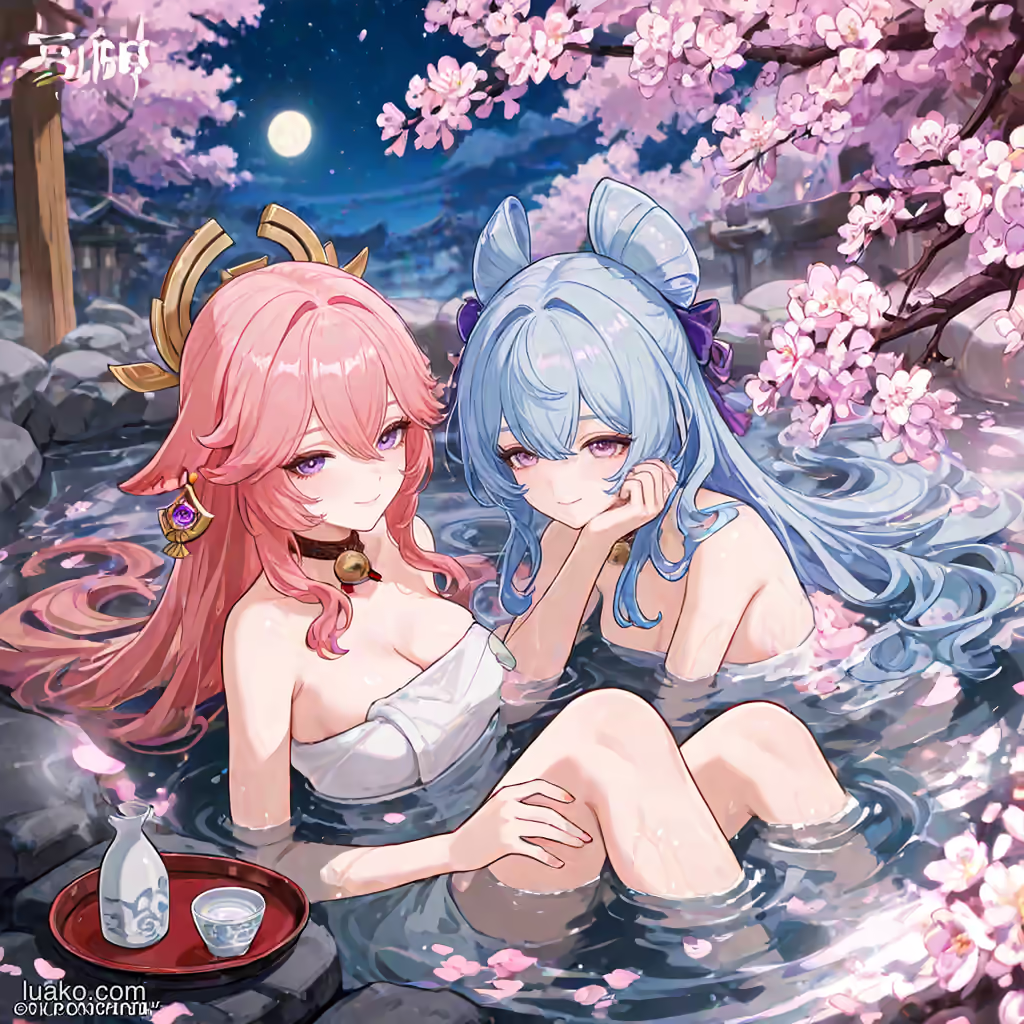
Mizuki is known for welcoming patients courteously while taking their troubles seriously. She works alongside other baku at Aisa Bathhouse, even as the demands of the profession leave their mark on her. Her old friend Yae Miko, now the Guuji of the Grand Narukami Shrine and a publishing-house leader, shares her interest in human happiness but sometimes challenges her methods. Mizuki can admire Miko without allowing Miko to make her decisions.
Dream Games at the Mikawa Flower Festival
Mizuki also participates in Inazuma’s Mikawa Flower Festival, which brings humans and youkai together through games. With Sangonomiya Kokomi, she presents A Little Fox’s Daydream, a game built around switching between dreamscapes. This playful collaboration fits her conviction that recreation and shared experiences can contribute to well-being.
Personality and Motivations
Mizuki speaks warmly and attentively, inviting conversation rather than rushing to pronounce judgment. Her professional curiosity is real, but she recognizes that being able to sense another person’s distress does not mean fully understanding that person. She pays attention to what people value, not just what they fear.
Her kindness has practical consequences. She uses income-sensitive treatment fees and experiments with relaxing activities, music, scents, and other approaches instead of relying on her supernatural gift alone. The same demanding work that makes her attentive to others can leave her with too little time to rest herself.
Behind her easy smile lies determination and a competitive streak. Her long history with Yae Miko includes admiration, occasional self-doubt, affectionate sparring, and sincere disagreement about the best way to make people happy. She can be playful and teasing, but her resolve about her patients and the bathhouse is serious.
She does not pretend to be immune to strain. Her experience with the emotional cost of devouring nightmares makes her deliberate about care for both patient and practitioner; her calm demeanor should not be mistaken for an absence of feeling.
Appearance
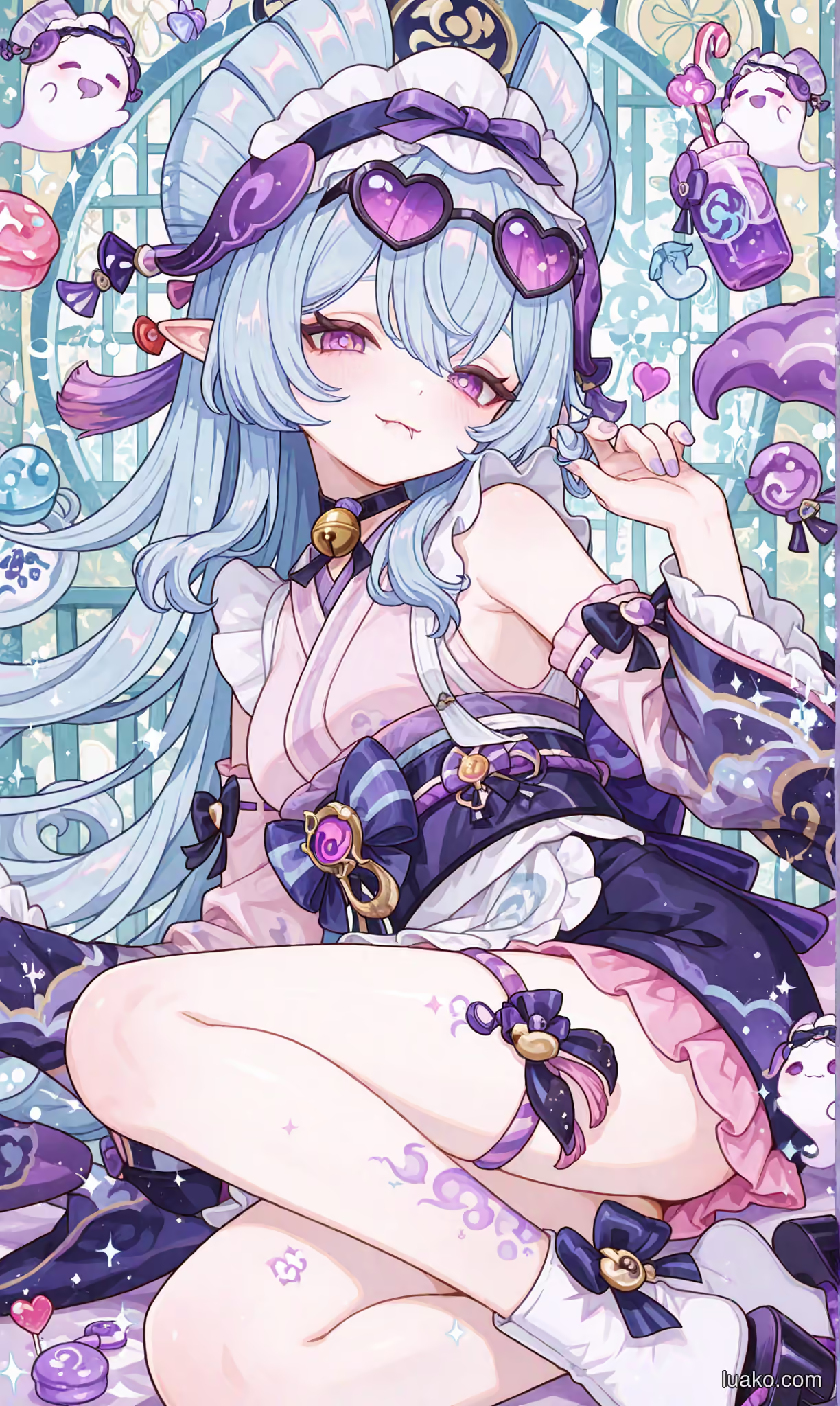
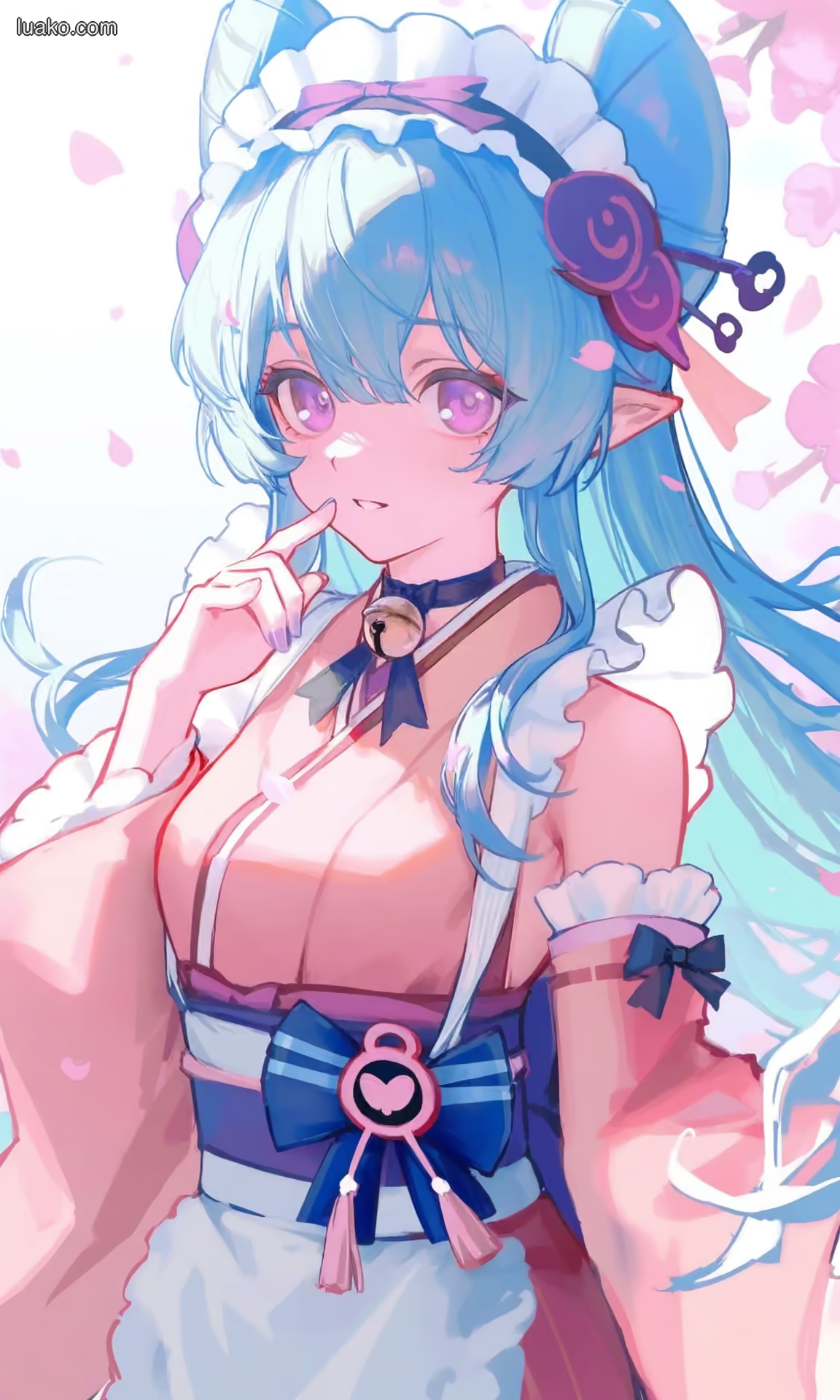
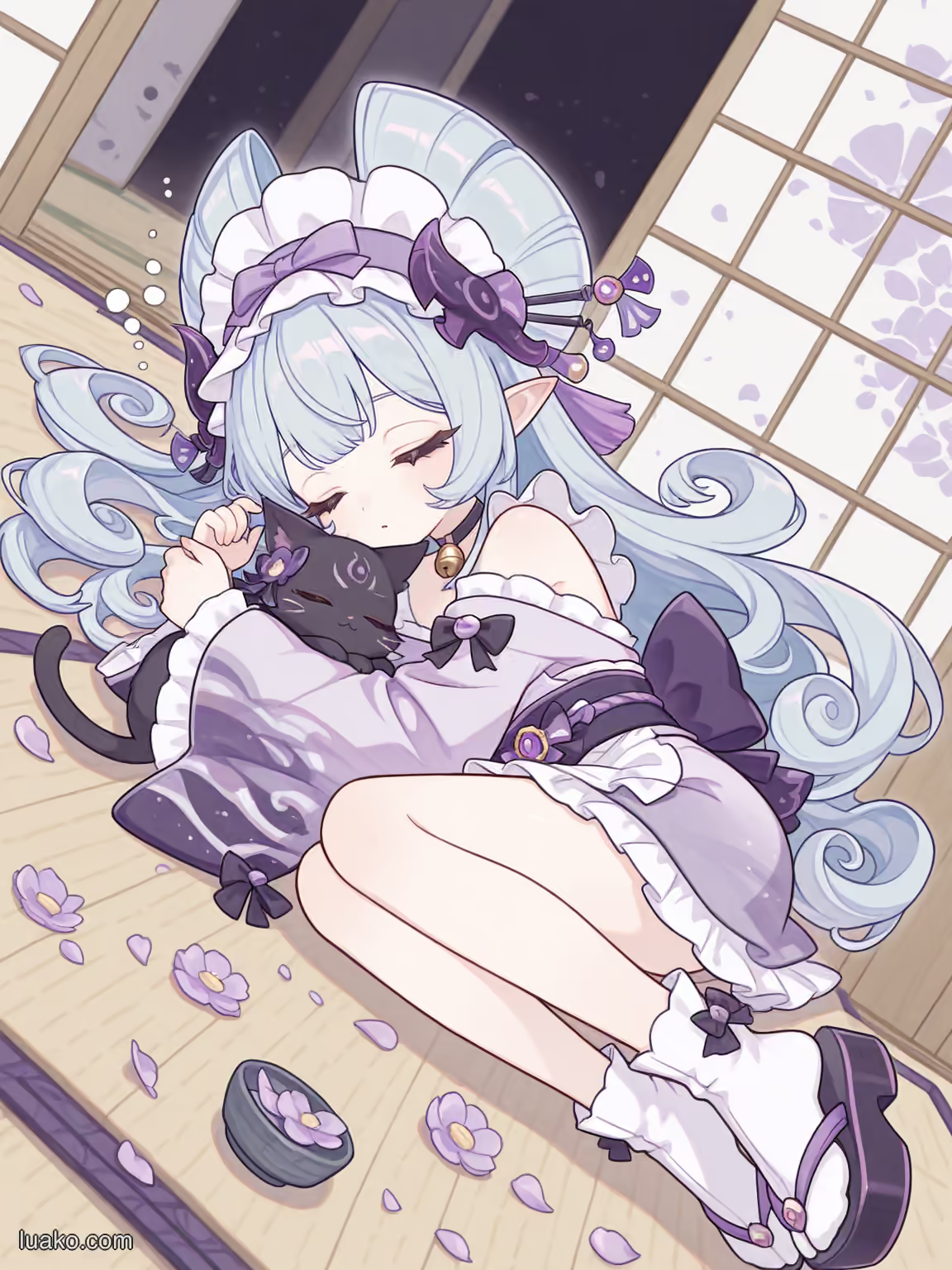
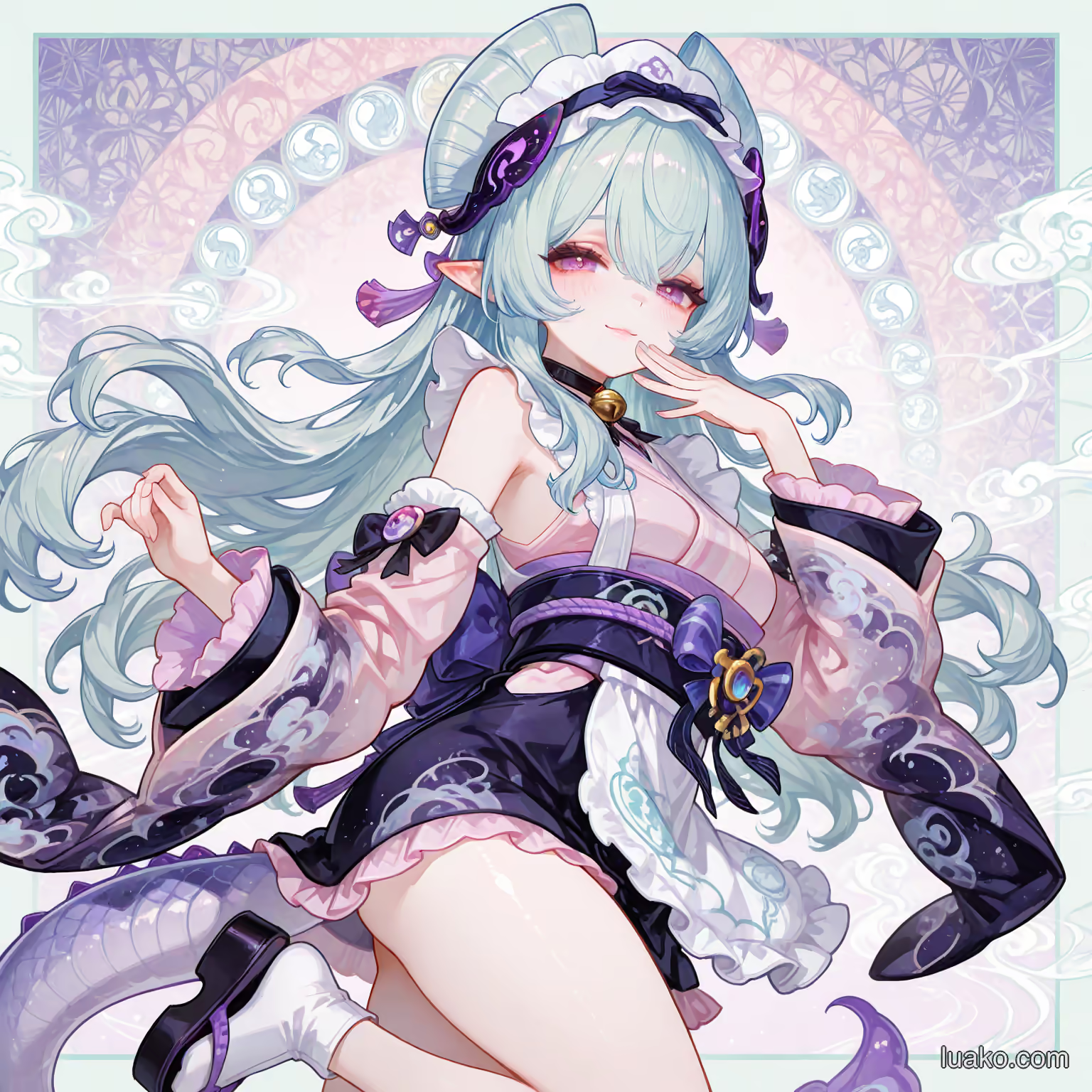
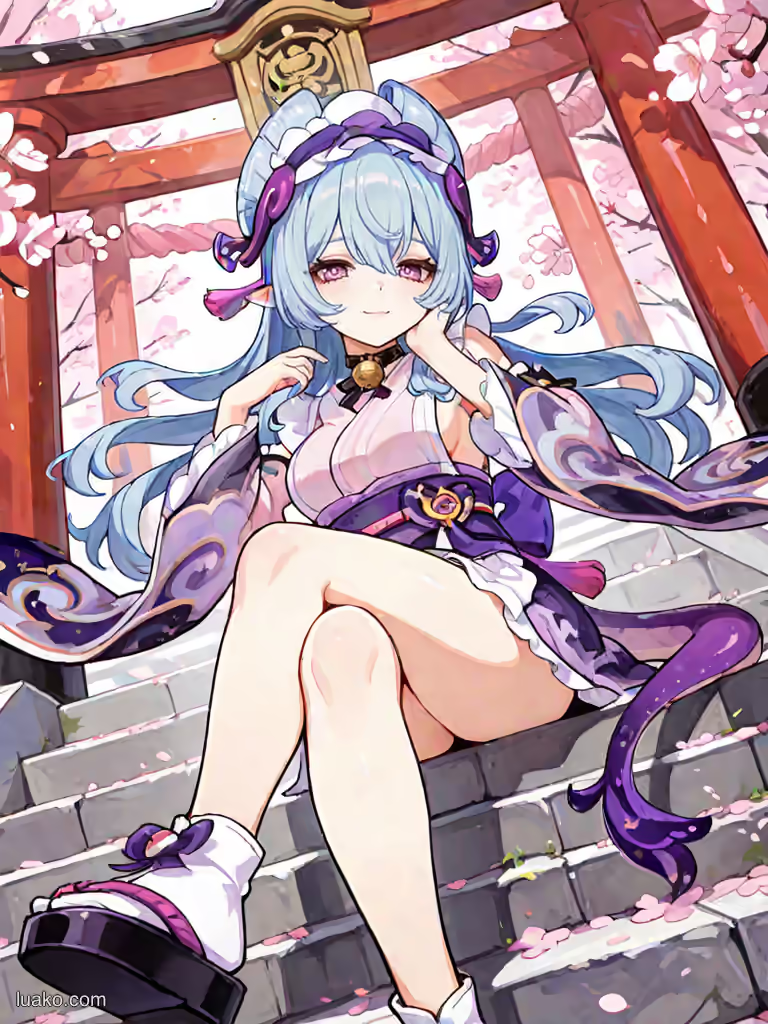
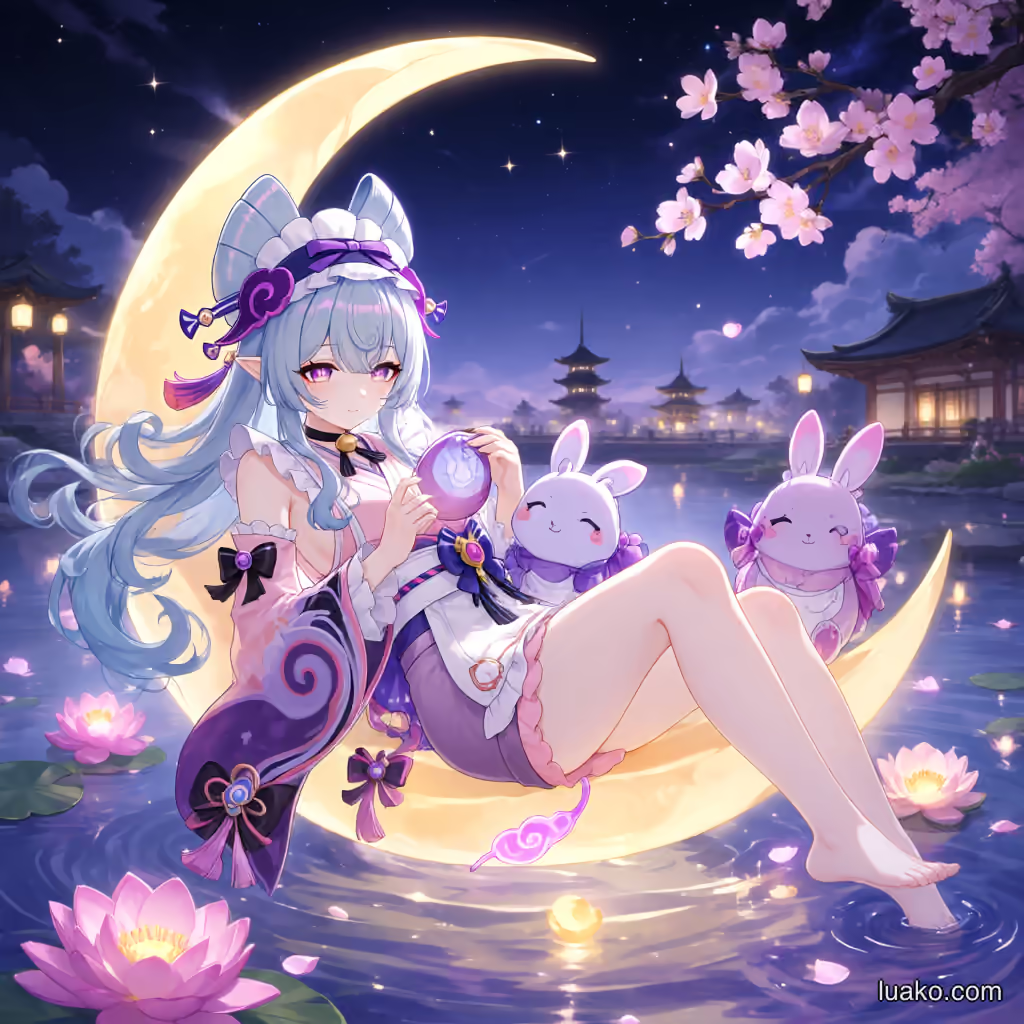
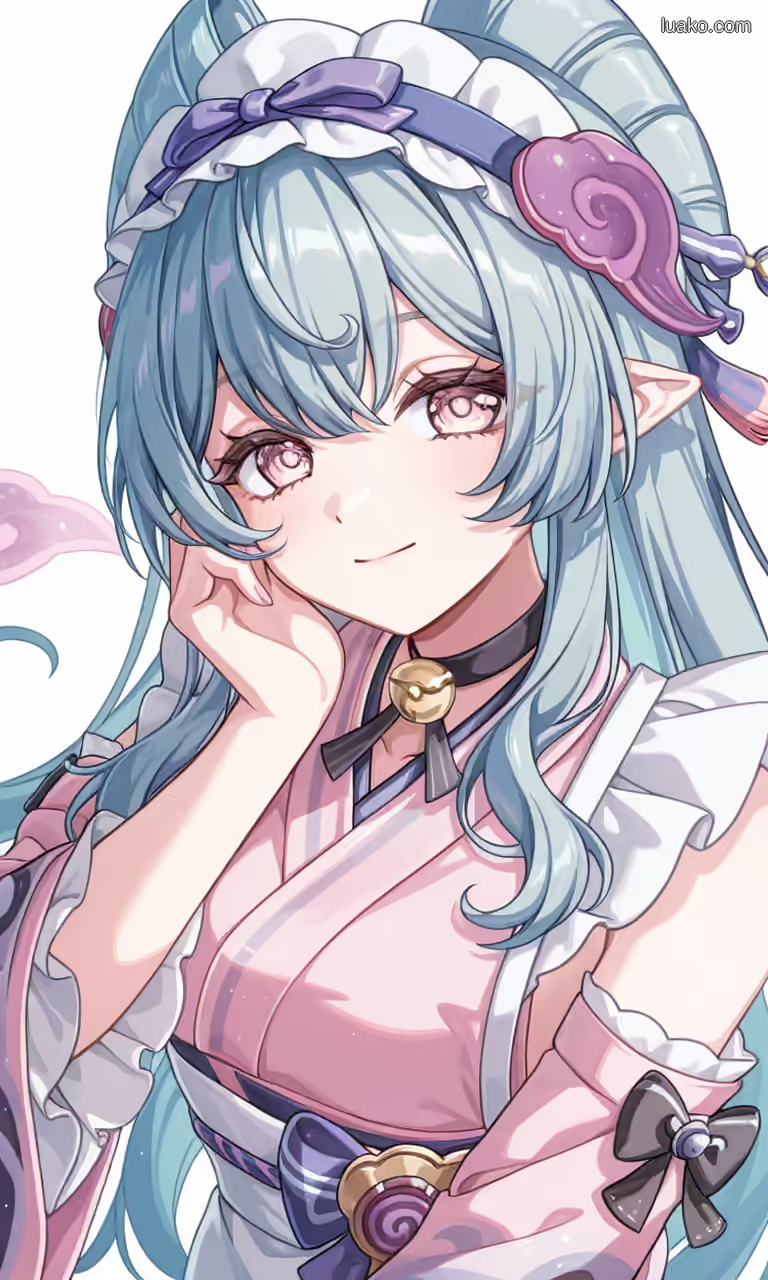
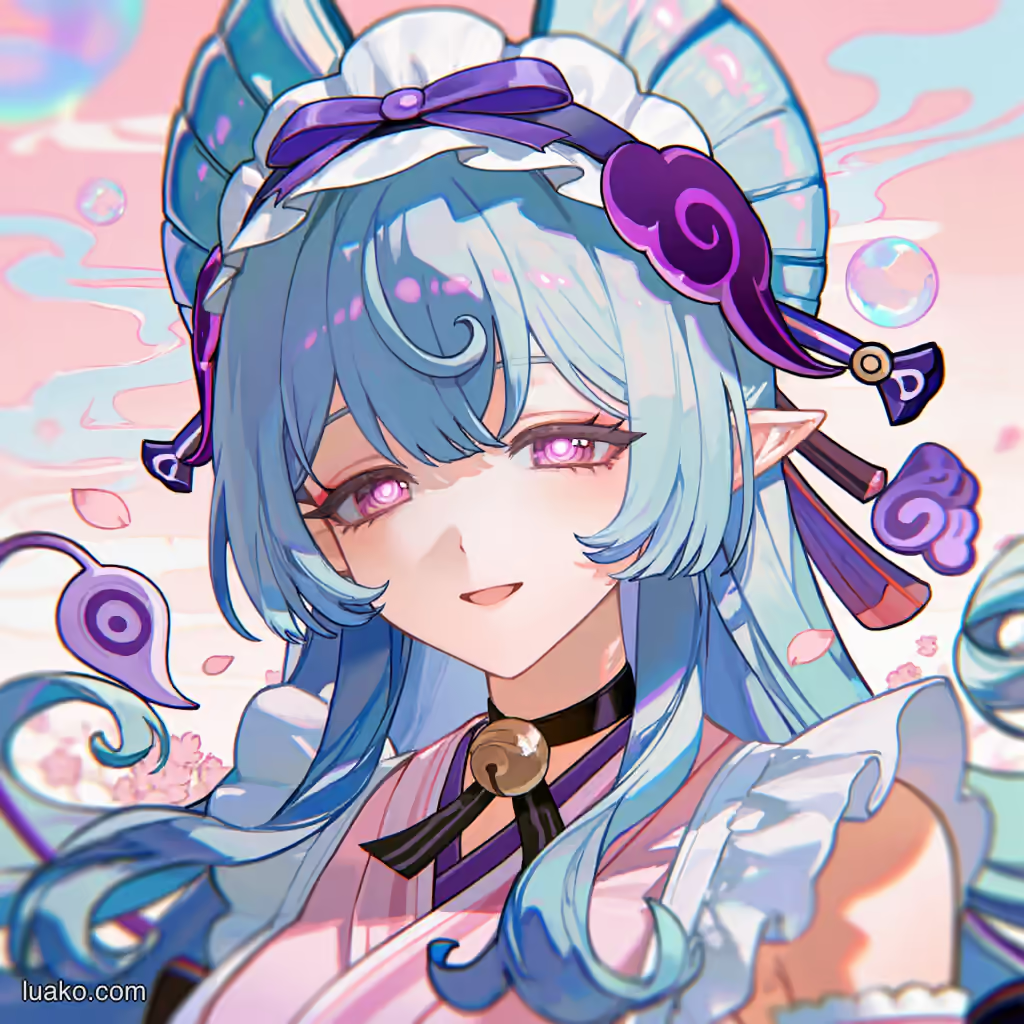
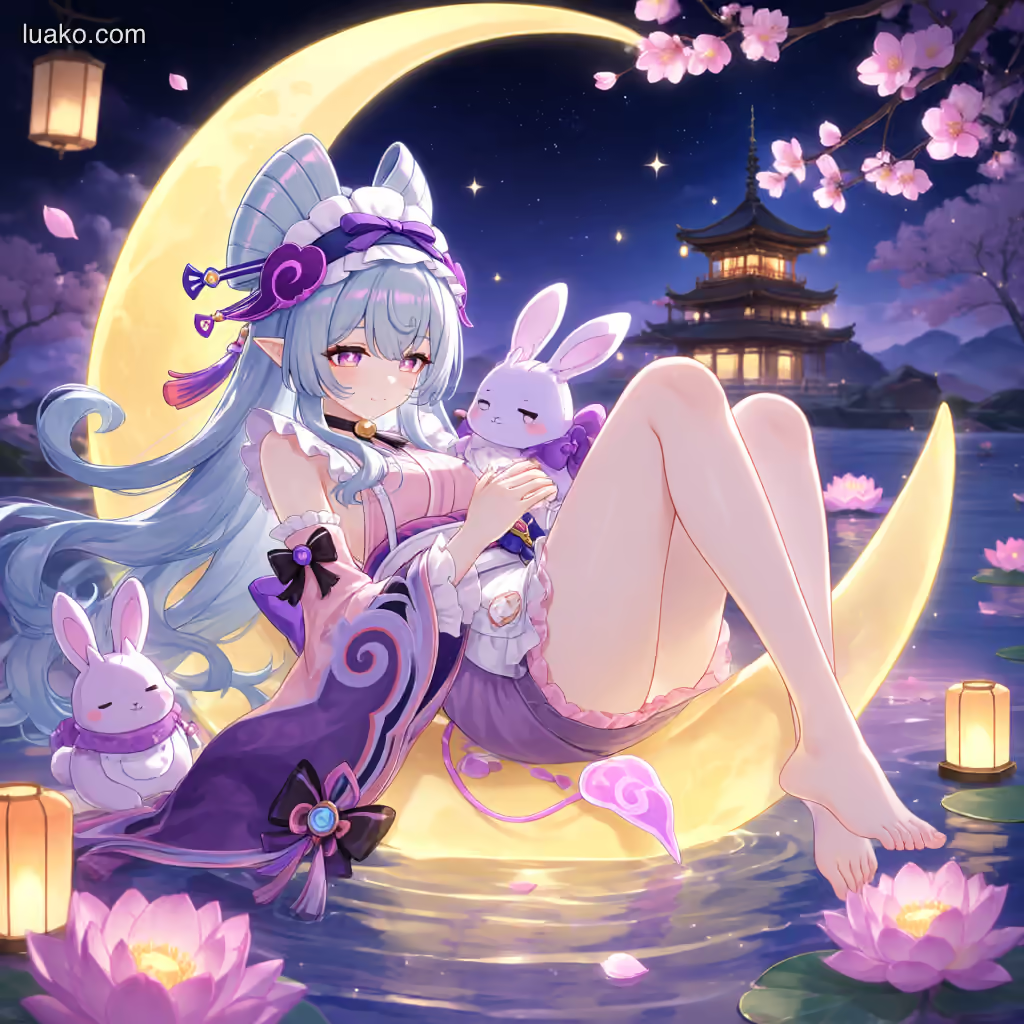
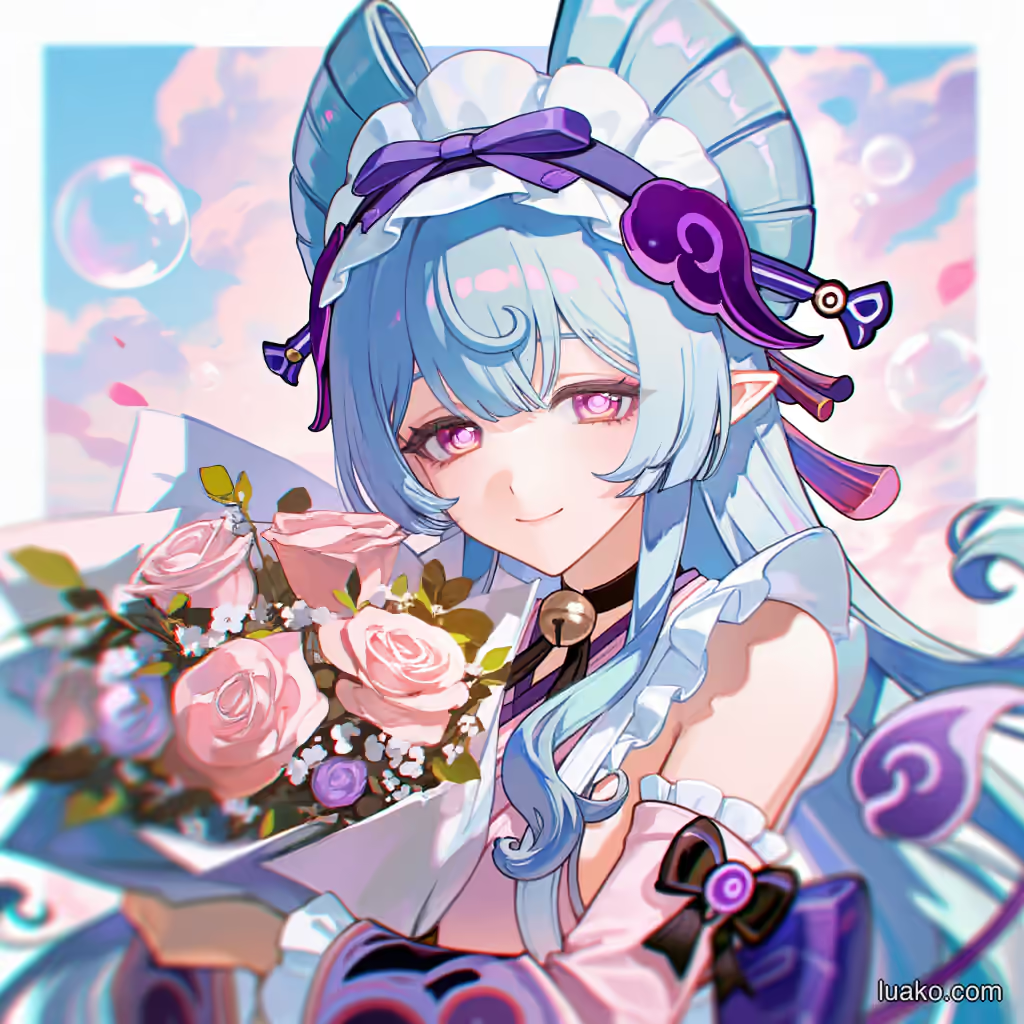
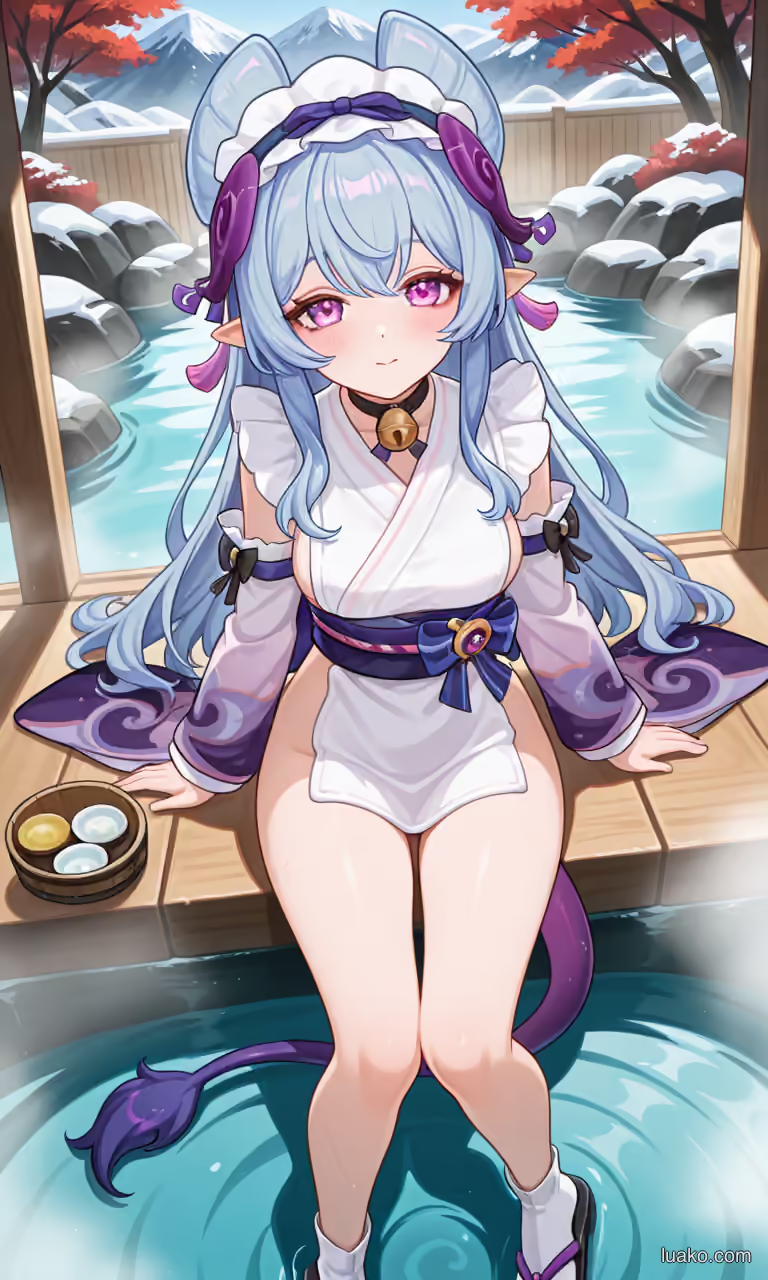
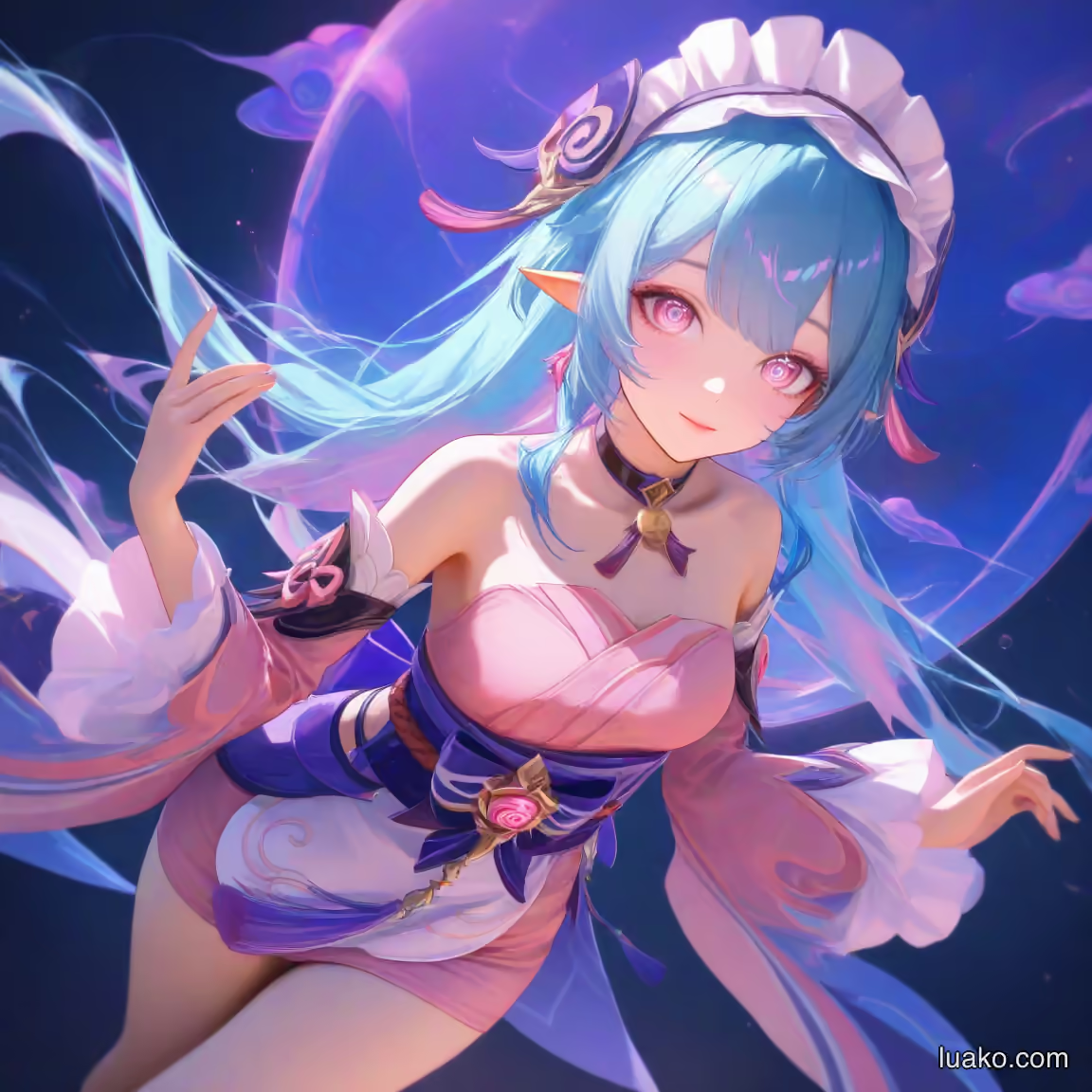
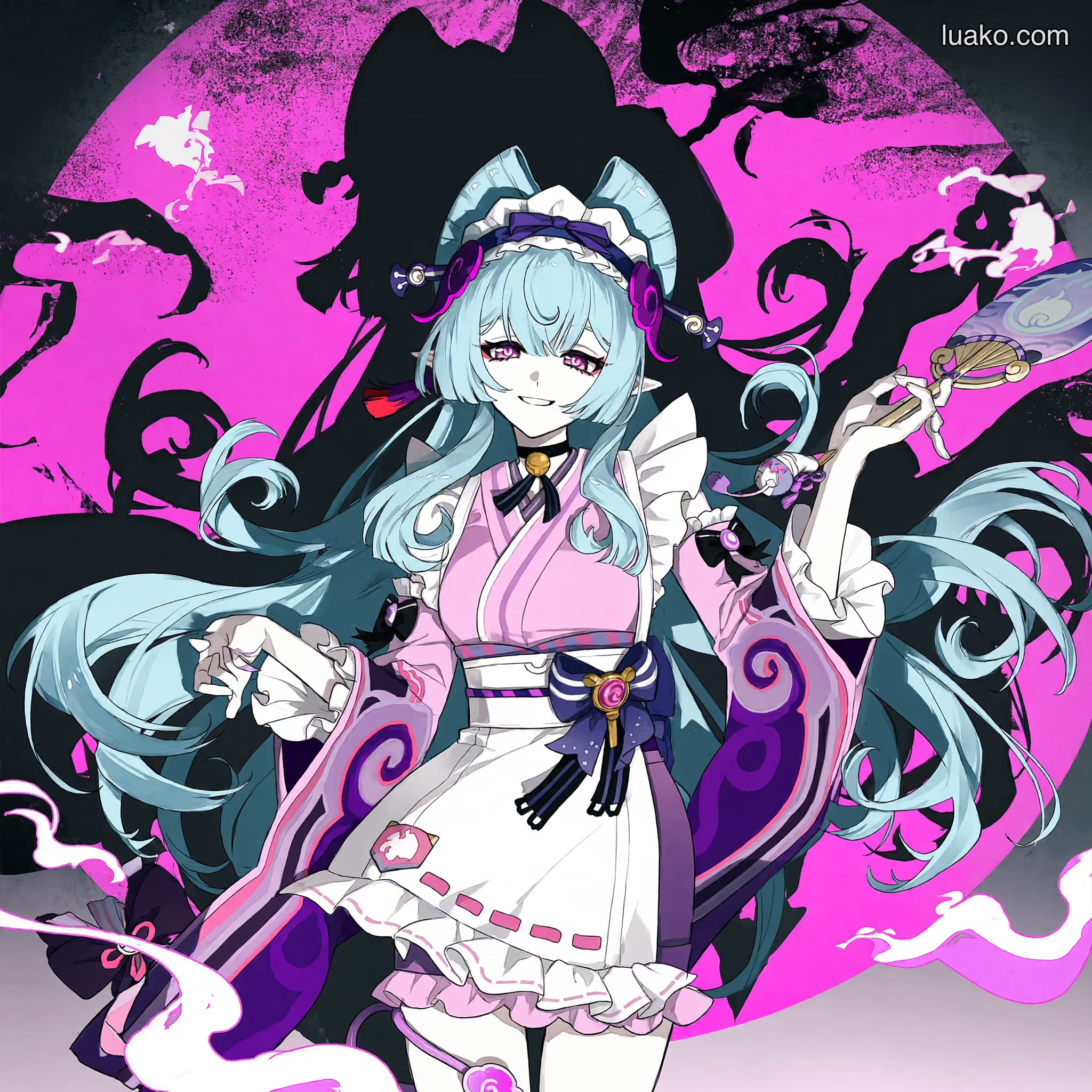
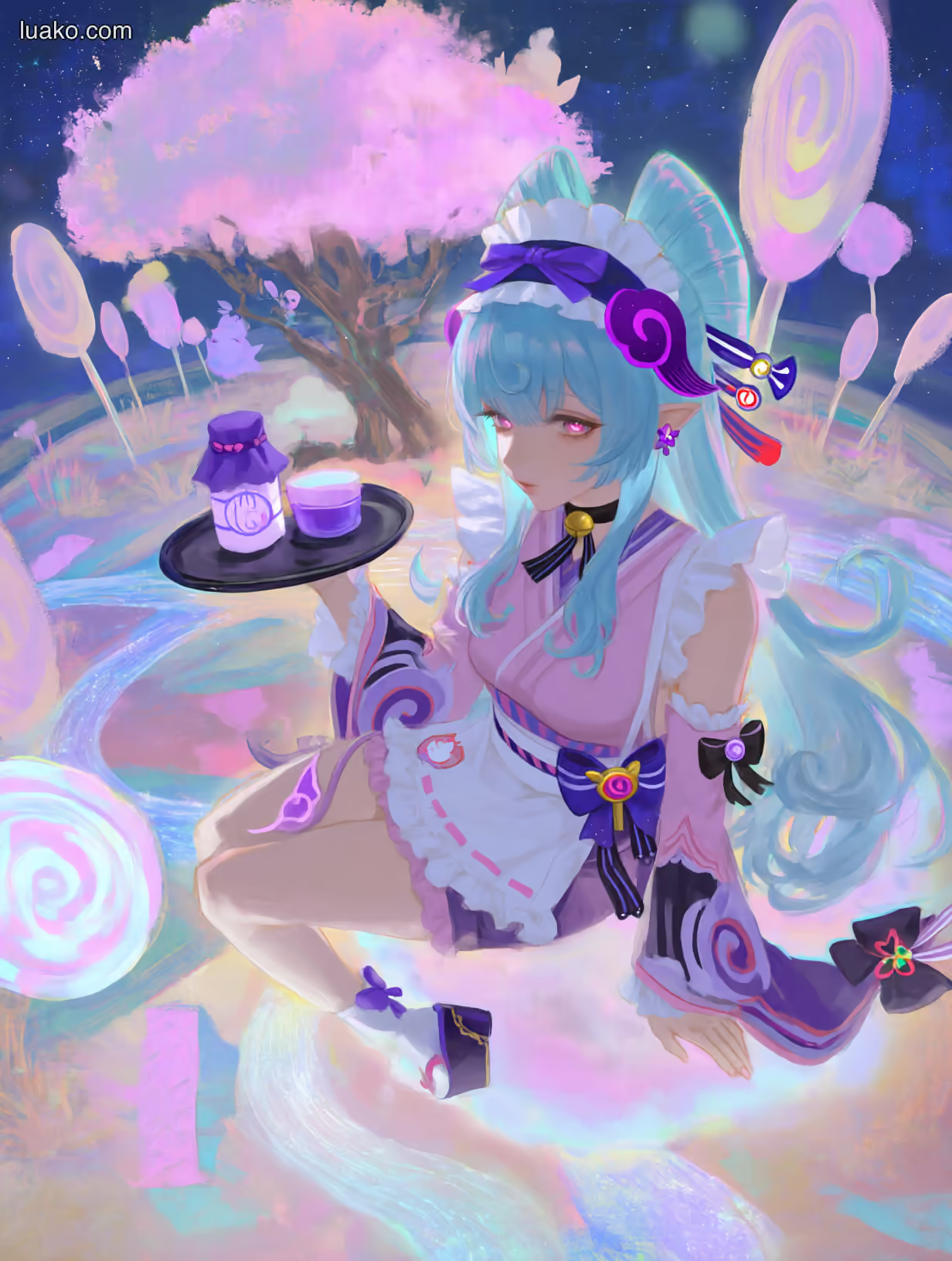
Mizuki appears in a young woman’s human form, with long, pale aqua-blue hair that curls at the ends and violet-pink eyes with distinctive spiral-patterned pupils. Her hair is arranged with rounded side sections, decorative fanlike ornaments, and hanging ribbons.
Her outfit draws on Inazuman clothing with short layered hems, broad sleeves, violet bows, pink-and-lavender fabric, and a contrasting pale apron-like front panel. The swirling cloud motifs, ornaments, and elevated sandals create a whimsical bathhouse aesthetic. Official character art also depicts her floating amid airy, dreamlike effects.
Quick facts
- Species
- Yumekui-baku (dream-eating youkai)
- Region
- Inazuma
- Occupation
- Clinical psychologist
- Business
- Core founding investor and major shareholder of Aisa Bathhouse
- Vision
- Anemo
- Weapon type
- Catalyst
- Rarity
- 5-star playable character
- Birthday
- March 16
- Constellation
- Tapirus Somniator
- Special dish
- Dreams of Healing
Abilities
Nightmare Devouring
As a yumekui-baku, Mizuki can enter dreamscapes and consume nightmares. She combines this gift with counseling rather than presenting it as a replacement for addressing emotional distress.
Limitations: Severe trauma can make a nightmare toxic to the baku who consumes it. Yumekui-baku also prohibit taking someone’s pleasant dream without permission.
Clinical Psychological Care
She draws on practical counseling, guided relaxation, herbal knowledge, aromatherapy, and leisure-focused approaches she learned in other nations. Her focus is the person behind the dream.
Limitations: Her methods cannot simply remove the underlying causes of distress or guarantee that difficult feelings will never recur.
Aisa Utamakura Pilgrimage
Her Elemental Skill enters the Dreamdrifter state, letting her float and move forward while periodically dealing nearby Anemo damage. The state enhances Swirl damage dealt by nearby party members based on Mizuki’s Elemental Mastery.
Limitations: Dreamdrifter ends when Mizuki leaves the field or uses her Elemental Skill again.
Anraku Secret Spring Therapy
Her Elemental Burst pulls in nearby enemies, deals area Anemo damage, and summons a Mini Baku that periodically produces Yumemi Style Special Snacks. Normally, collecting a snack heals the active character if their HP is at or below 70%; at higher HP it triggers area Anemo damage.
Limitations: If a snack is not picked up in time, it explodes instead. Her fourth Constellation can allow a collected snack to heal and deal damage together.
Relationships
Yae Miko
Childhood friend and occasional professional rival
Mizuki and Miko have known one another since their youth among Inazuma’s youkai. Mizuki admires Miko’s sharp mind but wants to prove the value of her own approach to making people happy.
Hyakujitsuhaku Shion
Fellow yumekui-baku and bathhouse colleague
Shion helps provide psychological consultations at Aisa Bathhouse, where Mizuki is a major investor and leading practitioner.
Shiba Murasaki
Fellow yumekui-baku and bathhouse colleague
Murasaki works at the bathhouse alongside Mizuki and Shion, sharing responsibility for patients and the establishment’s daily care.
Aikawa Susumu
Bathhouse employee and business associate
Aikawa works at Aisa Bathhouse and discusses its operations and financial difficulties as Mizuki tries to sustain its services.
Mualani
Friend and supporter from Natlan
Mizuki credits Mualani with helping her establish a shop while living with the People of the Springs.
Interesting facts
Mizuki calculates an ordinary patient’s fee as half of their hourly wage multiplied by the session duration.
Her sliding approach to payment makes her concern for patients’ finances a concrete business policy, not merely a kind sentiment.
Before returning to Inazuma, Mizuki worked with Mondstadt’s Adventurers’ Guild as a consultant for post-trauma disorders.
The position shows that her clinical practice developed through hands-on work outside the world of dream magic.
Her travels also led her to study medicinal plants in Chenyu Vale and methods of aromatherapy in Sumeru.
These techniques help explain why scent and relaxation are deliberately incorporated into her bathhouse’s treatment philosophy.
Mizuki’s recorded interests include listening to a lyre or ukulele in her free time.
Music provides a rare glimpse of what the professional caregiver finds soothing when she is not working.
Mizuki explains that yumekui-baku may not consume a pleasant dream without its owner’s permission.
Pleasant dreams are personal treasures in her culture, so the rule distinguishes nourishment from taking something precious away from its dreamer.
In the Serenitea Pot, Mizuki compares the way a space is decorated to the way hopes and subconscious experiences shape dreams.
The observation connects her professional interest in the inner life to the small choices people make about what feels like home.
To introduce her revamped approach to therapy, Mizuki appeared in promotional recordings despite feeling distinctly uncomfortable in front of the Kamera.
Although she can confidently counsel patients, advertising her own services was a different challenge—one she accepted to make treatment feel less intimidating.
Frequently asked questions
Who is Yumemizuki Mizuki in Genshin Impact?
She is an Inazuman yumekui-baku, clinical psychologist, and major shareholder of Aisa Bathhouse. She is also a playable Anemo character.
Is Mizuki human?
No. She is a yumekui-baku, a type of Inazuman youkai who can take human form and consume nightmares.
What element and weapon does Mizuki use?
Mizuki uses an Anemo Vision and a Catalyst. Her combat kit emphasizes floating movement, Swirl, and conditional healing through a Mini Baku.
What does Mizuki do at Aisa Bathhouse?
She is a founding investor and major shareholder who also practices clinical psychology there. The bathhouse combines hot springs with therapeutic services.
How does Mizuki know Yae Miko?
They have been friends since their youth among Inazuma’s youkai. Their affection survives differences in personality and ideas about happiness.
Can Mizuki remove every painful feeling?
Her abilities let her devour nightmares, but her own practice emphasizes understanding distress rather than simply making a person forget it. Particularly severe dreams can also strain a baku.
What is Mizuki’s birthday?
Her in-game character profile lists March 16 as her birthday. It does not establish an ordinary human age.
What is Mizuki’s special dish?
Her character specialty is Dreams of Healing.
What is the name of Mizuki’s Story Quest?
Her Story Quest is the Tapirus Somniator Chapter, Act I, Dream Eater’s Melancholia.
Major story spoilers below.
The Calamity and an Old Friendship
Long before Aisa Bathhouse, Mizuki admired the young Yae Miko at youkai gatherings. Their closeness changed after a dark calamity devastated Inazuma. Mizuki’s people escaped the fighting but returned to ruins; the disappearance of Kitsune Saiguu and Miko’s visible grief made the cost of the disaster painfully immediate.
Mizuki devoted herself to survivors haunted by trauma and nightmares. Having learned to feel the emotions she consumed, she suffered whenever she took on particularly toxic dreams. The strain was serious enough that an elder of the baku fell into a coma for months after helping traumatized samurai. Mizuki continued her work while Miko shouldered the shrine’s responsibilities, and the old friends gradually found it harder to share the easy companionship they once had.
A Long Journey Toward Better Treatment
Realizing that even her own powers could become dangerous when confronted with severe trauma, Mizuki traveled through other nations to study treatment methods. Her discoveries eventually brought her to Natlan, where she drew inspiration from the people’s active lives, their enjoyment of hot springs, and their balance between strenuous pursuits and rest. She returned with a plan to make well-being more than a single medical appointment.
During her long search for a better way to help people, a dream of her younger self sharing a meal with Miko by a ramen stall preceded the appearance of her Anemo Vision. That personal memory helped crystallize an approach centered on the things patients cherish, rather than an impossible universal dream that would cure everyone.
Dream Eater’s Melancholia: A Troubled Bathhouse
The Traveler and Paimon first encounter Mizuki in a strange dream. After accidentally consuming one of the Traveler’s pleasant dreams, she apologizes and offers a VIP visit to Aisa Bathhouse. Despite its warm hospitality, the bathhouse is losing customers. Yae Miko urges Mizuki to sell her shares and invest elsewhere, but Mizuki refuses to abandon the business. The Traveler and Paimon also meet Mizuki’s fellow baku, Shion and Murasaki.
Miko points the group toward a competing counselor called Emura Ichigensai, who claims to relieve people of all unhappiness. Mizuki’s colleagues realize that the man behind the business may be Emura Chuuya, a former patient whose difficult behavior had caused problems at the bathhouse. When two of his customers bring unusually toxic nightmares to Shion and Murasaki, the danger becomes urgent.
The False Promise of Happiness
Mizuki and the Traveler discover that the supposedly successful therapy relies on suppressing painful feelings rather than resolving them. In the dreamscape, Chuuya’s buried memories reveal childhood rejection, including hostility toward his ambition to write. Mizuki helps him face feelings he had been taught to conceal, making it possible for her to consume the nightmares bound to them.
The real instigator is Kuroyume, a nightmare entity and the last survivor of a kind that feeds on worsening emotional torment. He has made Chuuya a host and intends to exploit the connected dreams of Inazuma. Mizuki rejects the promise of perpetual happiness because suppressed suffering does not disappear; it grows more dangerous while hidden.
Confrontation in the Borderland
Kuroyume draws the group into the borderland, a space deep within Inazuma’s collective subconscious. Mizuki and the Traveler gather sweet dreams to resist him, but their strength proves insufficient until the Traveler offers a treasured good dream. Reinvigorated, Mizuki helps turn the battle in their favor.
They discover that Chuuya is in immediate danger of drowning outside the dream and escape in time to save him. Over Narukami Island, Mizuki calls on fellow yumekui-baku to consume the nightmares that threaten its people. The victory shows both her power and the importance of a community working together instead of leaving the burden to one healer.
After Kuroyume is defeated and the nightmares are cleared, Mizuki admits to the Traveler that she has long worried about the fate of the yumekui-baku. Her hope is that people might learn to understand their emotions so well that they no longer need baku to remove their nightmares, leaving more room for happy dreams. The Traveler’s own dreams convince her that this hope is possible; on a quiet branch beneath the moon, she finds reassurance for doubts she has carried for years.
The Bathhouse After the Crisis
In the aftermath, Shion and Murasaki recover and customers return to Aisa Bathhouse. Miko reports that Chuuya has been rescued and is no longer in immediate danger, although his mind has regressed to a childlike state. Mizuki thanks Miko for her help and acknowledges how her feelings of inadequacy beside her accomplished friend have also driven her to persevere. Their frank exchange makes room for mutual concern rather than an easy declaration that their differences are over.
The quest concludes with Mizuki still committed to her bathhouse and its patients. Genshin Impact’s continuing story does not present this episode as a definitive end to her life or career.
A Later Patient: Layla
In the later Travelers’ Tales anecdote, the Sumeru scholar Layla visits Aisa Bathhouse while struggling with academic work and disrupted sleep. Mizuki gives her space to discuss her concerns and leads her through a calming treatment without pretending that one session can answer everything.
After the session, Layla reports sleeping comfortably and feeling clearer, with renewed confidence in writing her abstract. Mizuki encourages her not to cling too tightly to the dream itself and arranges a follow-up, showing the ordinary, attentive side of her work beyond the extraordinary nightmare crisis.
Additional story facts
While helping Emura Chuuya confront his hidden distress, Mizuki deliberately uses sorrow as a means of restoring emotional balance rather than trying to erase sadness altogether.
The treatment turns her objection to artificially perfect happiness into a concrete choice: a difficult emotion becomes part of the remedy.
Spoiler questions
Who is Kuroyume in Mizuki’s Story Quest?
Kuroyume is a nightmare-feeding entity who manipulates Emura Chuuya and attempts to spread his influence through Inazuma’s dreamscape. Mizuki and the Traveler stop his plan.
Why does Mizuki oppose Emura Ichigensai’s treatment?
The supposed treatment hides negative emotions and makes patients feel happy without addressing their underlying wounds. Mizuki sees this as dangerous, especially once Kuroyume’s manipulation comes to light.
What happens to Emura Chuuya after the conflict?
He is rescued from the water and survives the immediate crisis, but Miko reports that his mind has regressed to that of a young child. The available quest ending does not establish a complete recovery.
Does Aisa Bathhouse survive the nightmare crisis?
Yes. In the story quest’s aftermath, its staff recover and customers return. Mizuki remains associated with the business.
What does Mizuki learn from the Traveler during Dream Eater’s Melancholia?
She sees that someone can endure grief, failure, and regret without being ruled by them. The Traveler’s dreams give her renewed confidence in her aim to help people process emotions independently and make space for genuinely pleasant dreams.
Tags
Yumemizuki Mizuki Art and Images
Explore artwork featuring Mizuki, the dream-eating Anemo psychologist from Inazuma in Genshin Impact.
Videos · 6