Raiden Shogun — Genshin Impact
BiographyBiography
The story, the personality, and everything in between.Read biographyClose biography
Biography
The story, the personality, and everything in between.Read biographyClose biographyRaiden Shogun雷电将军
Electro Archon and ruler of Inazuma
Raiden Shogun is the Electro Archon who rules Inazuma in the action role-playing game Genshin Impact. Revered as the Almighty Narukami Ogosho, she pursues an ideal of Eternity that informs her government, her isolation from ordinary life and her fierce resistance to threats against the nation. Her mastery of lightning and the Musou no Hitotachi stands behind the authority of a ruler whose decisions have far-reaching consequences for Inazuma's people.
Biography
Inazuma's seemingly unchanging sovereign
Raiden Shogun is the Electro Archon and supreme ruler of Inazuma, one of Teyvat's seven nations. From Tenshukaku, the Shogunate governs beneath the authority of a deity revered as the Almighty Narukami Ogosho. Her public ideal is Eternity: preserving Inazuma against changes she considers dangerous or destructive.
Rather than traveling openly among her people, the Shogun projects distance and uncompromising authority. Her commands are carried out through the Tri-Commission, while the weight of her name shapes the nation's customs, laws and expectations.
The Vision Hunt and a closed nation
By the time the Traveler reaches Inazuma, the Shogun's government has imposed the Vision Hunt Decree, confiscating Visions from their bearers. The broader Sakoku policy restricts travel and contact with the outside world. These measures divide the country and bring the Shogunate into conflict with those who refuse to surrender their ambitions.
The Shogun's martial authority is more than ceremonial. Her command of Electro and the sword technique Musou no Hitotachi make a personal confrontation a grave prospect, even for combatants who oppose her decrees.


A ruler at the center of a changing story
When the Traveler intervenes in the Vision Hunt conflict, the Shogun responds with the authority of her office and her blade. The dispute reaches beyond the right to hold a Vision: Inazuma's people have ambitions of their own, and the Shogun's unyielding ideal leaves them little room to pursue those ambitions.
Personality and Motivations
The Shogun's public manner is reserved, formal and uncompromising. She treats the ideal of Eternity as a serious responsibility rather than a decorative slogan, and rarely offers the easy warmth expected from an ordinary companion. Her willingness to exercise overwhelming force reflects the severity with which she guards her rule.
She values control, continuity and decisive action, even when the people affected by her decrees see matters differently. The Vision Hunt Decree exposes the danger in that certainty: an ambition dismissed as a threat to national stability may be central to an individual life. Her formidable resolve does not make the consequences of her decisions any less real.
Appearance
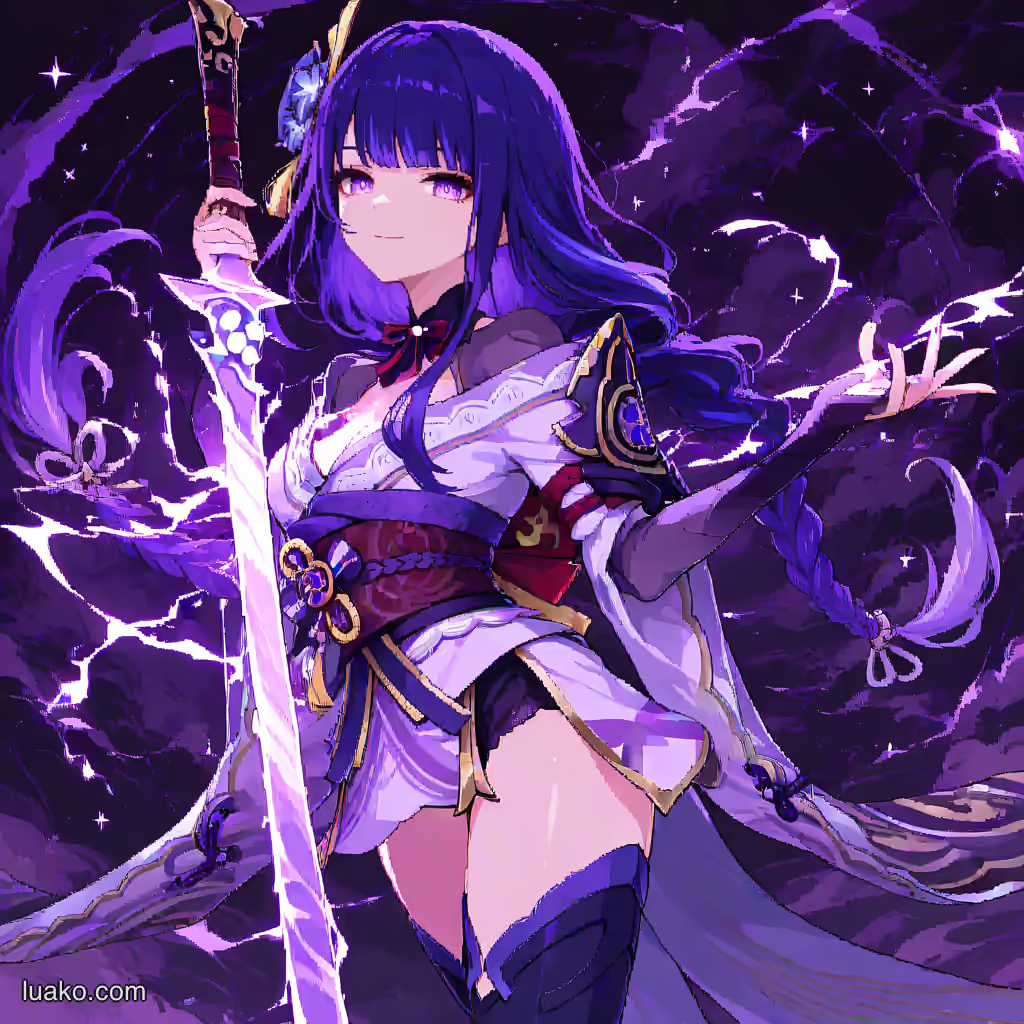
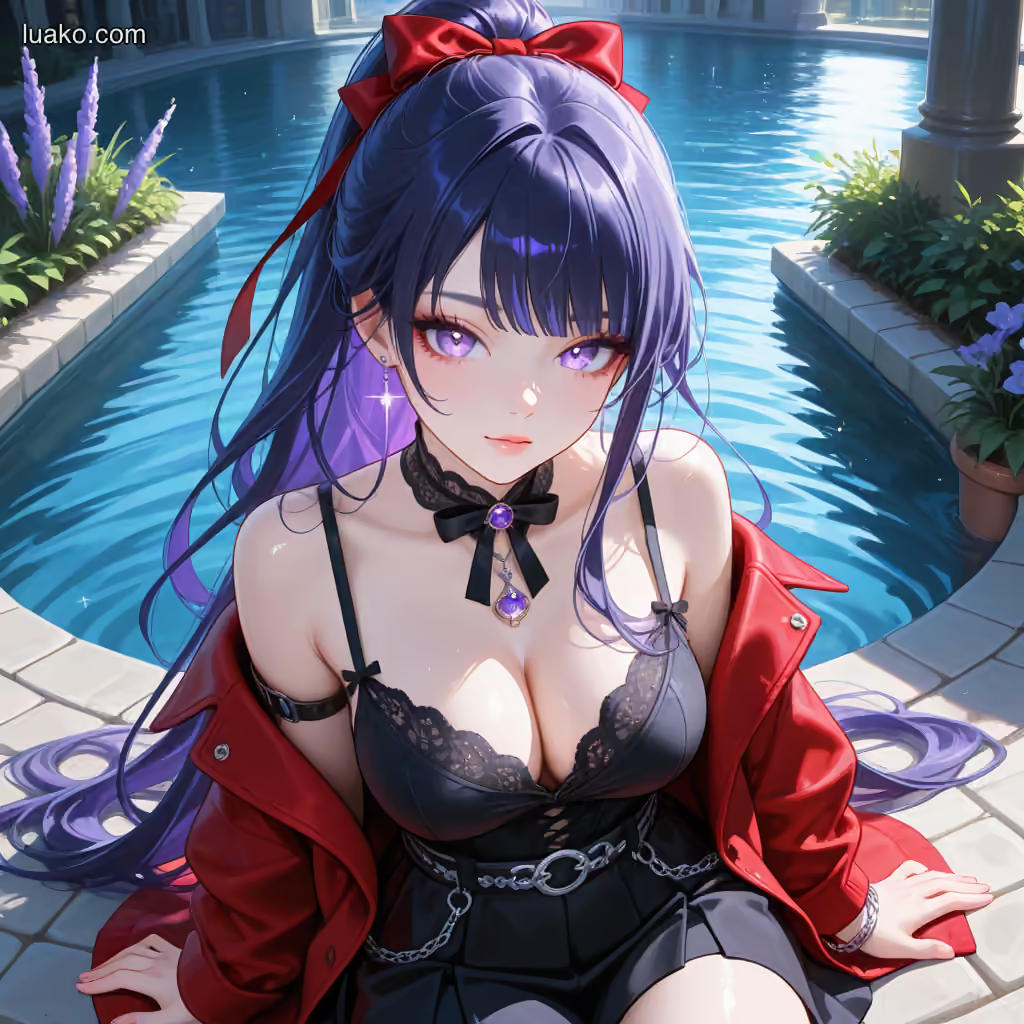
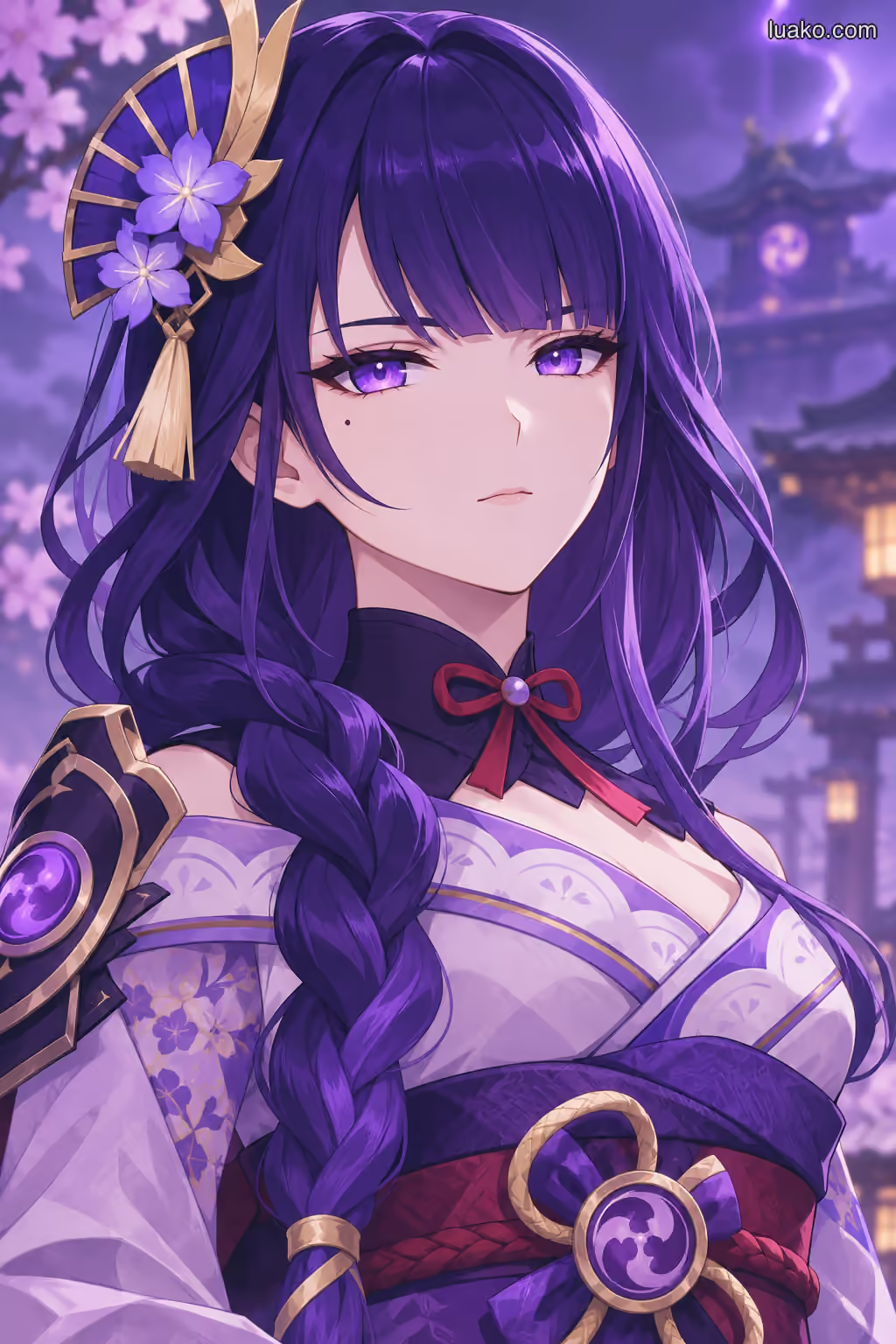
Raiden Shogun is portrayed as a tall, pale-skinned woman with violet eyes and long dark-purple hair gathered into a thick braid. A fan-shaped hair ornament, a purple-and-lavender palette and ornate, kimono-inspired attire distinguish her design as Inazuma's sovereign.
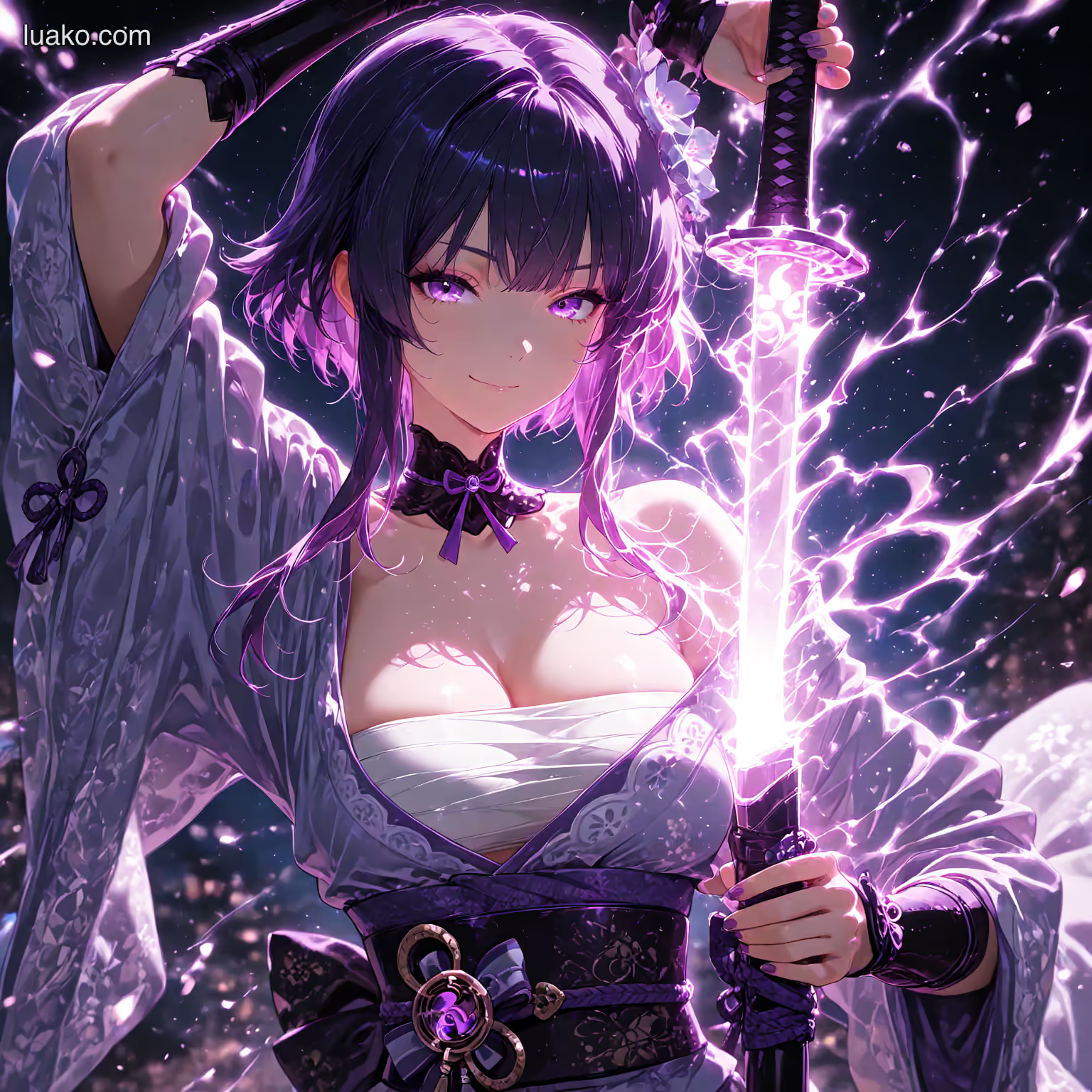
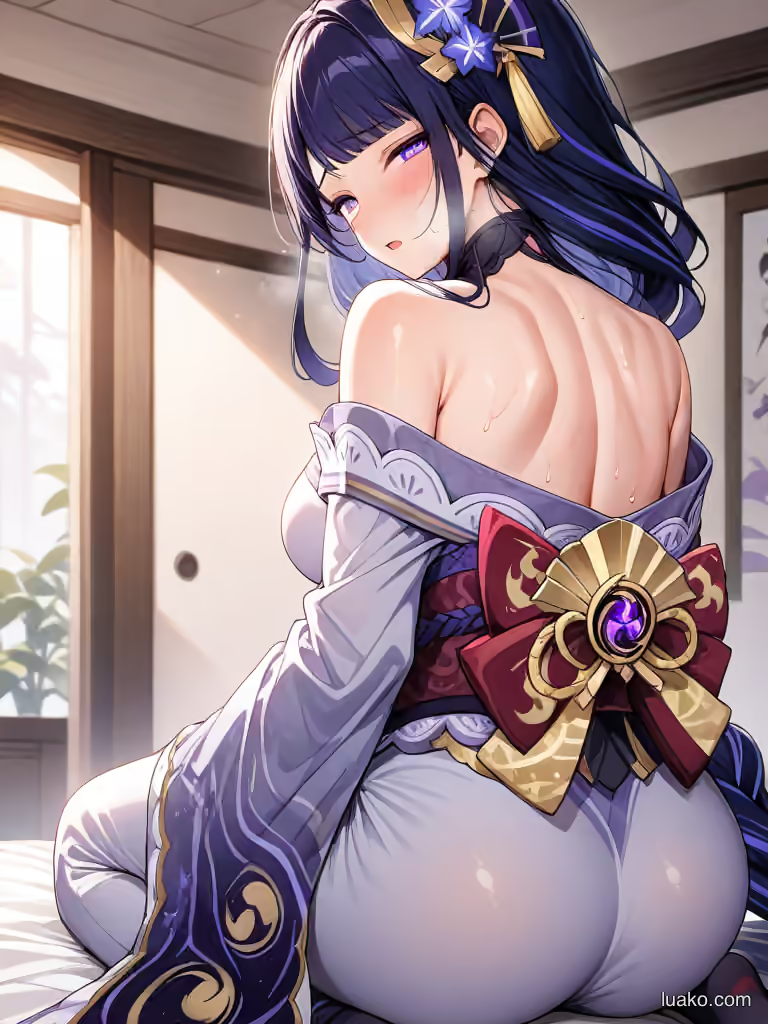
Her design combines layered sleeves, an elaborate waist sash, dark thigh-high legwear and ornamental motifs associated with Electro. In combat, luminous violet lightning and a ceremonial blade reinforce the contrast between her composed bearing and devastating power.
Quick facts
- Nation
- Inazuma
- Element
- Electro
- Playable weapon
- Polearm
- Rarity
- 5-star playable character
- Birthday
- June 26
- Constellation
- Imperatrix Umbrosa
- Affiliation
- Inazuma Shogunate
Abilities
Electro mastery
Commands Electro in combat, with lightning-infused strikes that embody the authority associated with the Electro Archon.
Transcendence: Baleful Omen
Her playable Elemental Skill grants nearby party members the Eye of Stormy Judgment, which adds coordinated Electro attacks and supports their Elemental Burst damage.
Limitations: The Eye's coordinated attack depends on a party member dealing damage and follows the game's trigger and timing rules.
Secret Art: Musou Shinsetsu
Her playable Elemental Burst unleashes Musou no Hitotachi and enters the temporary Musou Isshin state, in which her sword attacks deal Electro damage and restore Energy to nearby party members when they hit opponents.
Limitations: The Burst consumes any accumulated Chakra Desiderata Resolve to increase its damage; maximum Resolve is not required to activate it, and the sword stance lasts only a limited time.
Musou no Hitotachi
A fearsome sword technique associated with her divine judgment; in the game's narrative, the prospect of facing it is central to the Shogun's martial reputation.
Relationships
Kujou Sara
Tenryou Commission general and devoted subordinate
Sara serves the Shogunate as a military leader and is strongly loyal to the Raiden Shogun's authority.
Yae Miko
Grand Narukami Shrine priestess and long-standing associate
Yae Miko holds an unusual position near the seat of divine power, combining religious duties with a willingness to speak boldly about the Shogun's isolation.
Traveler
Visiting outsider and eventual challenger
The Traveler's involvement in the Vision Hunt conflict brings the Shogun into direct confrontation with the ambitions of Inazuma's people.
Sangonomiya Kokomi
Leader of the opposing Watatsumi resistance
Kokomi leads forces resisting the Shogunate's Vision Hunt policies; her position is political and military rather than a personal relationship with the Shogun.
Interesting facts
Raiden Shogun has no character-exclusive Special Dish and cannot cook using the normal playable-character cooking feature.
This unusually mundane limitation creates a striking contrast with her overwhelming power and status as a deity.
Her unlockable friendship namecard is called 'Raiden Shogun: Enlightenment'.
It gives players an official visual collectible tied to her character progression, distinct from her combat equipment.
Her official character teaser and demo are titled 'Raiden Shogun: Nightmare' and 'Raiden Shogun: Judgment of Euthymia'.
The different titles frame her through both the anxiety surrounding her power and the ceremonial authority of her rule.
The playable Raiden Shogun was introduced in Genshin Impact Version 2.1 alongside the Inazuma Archon Quest finale.
Her release made the ruler central to the story available as a playable character at the same stage of the game's update cycle.
Musoujin Gorge on Yashiori Island was carved by the slash that defeated the serpent god Orobashi.
The landscape preserves a physical consequence of the Shogun's legendary swordsmanship, far beyond the reach of an ordinary battlefield.
Frequently asked questions
Who is Raiden Shogun in Genshin Impact?
Raiden Shogun is the Electro Archon and ruler of Inazuma. Her public commitment to Eternity shapes the nation's political conflict and her role in the Inazuma story.
What element and weapon does Raiden Shogun use?
She is an Electro character whose playable weapon type is polearm. Her Elemental Burst lets her fight with a sword for a limited period.
Why does Raiden Shogun pursue Eternity?
She believes that an enduring, stable Inazuma is worth preserving against threats and disruptive change. The story examines the costs of imposing that ideal on other people.
What is the Vision Hunt Decree?
It is an Inazuman government policy that confiscates Visions from their bearers. Resistance to that policy drives much of the nation's central storyline.
What is Musou no Hitotachi?
It is the Shogun's renowned sword technique. Her playable Elemental Burst features a strike of that name before entering Musou Isshin.
What is Raiden Shogun's birthday?
Her official playable-character birthday is June 26.
Can Raiden Shogun cook in Genshin Impact?
No. Unlike most playable characters, she cannot use the normal cooking function, and she has no Special Dish.
Major story spoilers below.
The two beings behind the title
The playable identity 'Raiden Shogun' encompasses two distinct consciousnesses associated with one body. Raiden Ei, whose divine name is Beelzebul, is Inazuma's current Electro Archon; the Shogun who usually governs is an autonomous puppet Ei constructed to enforce her directives. Ei withdrew her consciousness into the Plane of Euthymia within the sword Musou Isshin, leaving the constructed ruler to act in the outside world. They share a title and appearance, but not identical wills, personalities or responses to change.
Ei had once served as the martial shadow, or kagemusha, of her twin sister Raiden Makoto, the original Electro Archon known by the divine name Baal. Ei fought on Makoto's behalf, while Makoto better understood the importance of mortal life and its fleeting moments. The public image of a single eternal Shogun concealed this succession.
Loss, fear of erosion and the puppet project
During the cataclysm roughly five centuries before the Traveler's arrival, Makoto went to Khaenri'ah and died. Ei had also lost cherished companions over the centuries. Grief and the prospect of further loss made change feel like a threat to all she sought to protect. She embraced a still, enduring order as a defense against both impermanence and the erosion that threatens long-lived beings.
Seeking an enduring vessel for Inazuma's rule, Ei developed the art of puppet-making. An earlier prototype later became known as Scaramouche, or the Wanderer; Ei did not destroy him, but instead relinquished him. She ultimately created the Shogun in her own likeness, transferred her consciousness away from ordinary bodily existence, and entrusted her Electro Gnosis to Yae Miko. The Shogun's rigid governing rules became a source of conflict when Ei's outlook began to change.
The Traveler, the Fatui and the end of the Vision Hunt
The Vision Hunt Decree becomes the focus of the Traveler's struggle in Inazuma. Certain officials of the Tenryou and Kanjou Commissions cooperate with the Fatui and misrepresent the country's circumstances to sustain the policy. Ei is not simply innocent of the decree: she knows it is being carried out and considers its restraint on individual ambitions compatible with her ideal.
The Electro Gnosis Ei had entrusted to Yae Miko also passes into the Fatui's hands during the conflict. When Scaramouche threatens the Traveler at the Delusion factory, Miko secures the Traveler's safety by handing him the Gnosis. The bargain takes place without Ei directly participating in it.
After the duel before the throne, the puppet executes La Signora; later, the Traveler faces Ei within the Plane of Euthymia. Yae Miko's intervention and the combined aspirations associated with the confiscated Visions challenge Ei's insistence on an unchanging Inazuma. Ei agrees to abolish the Vision Hunt Decree, though this does not instantly resolve every consequence of her earlier policies.
A walk through a different Inazuma
In 'Reflections of Mortality,' Ei leaves her isolation to see Inazuma City with the Traveler. She encounters dango milk, modern light novels and photography—ordinary pursuits that make the passage of time visible in ways her long withdrawal had concealed. These interactions are not merely comedic distractions: they give her a direct encounter with the lives she claims to safeguard.
A dispute involving Kujou Kamaji and the Takatsukasa Clan then forces her to consider governance in practical terms. Ei witnesses the resolve of people trying to uphold their responsibilities despite personal weakness and political strain. She begins to distinguish the value of inherited convictions from the impossible demand that nothing ever change.
Transient Dreams and the Shogun's resistance
In 'Transient Dreams,' Rifthounds threaten the Sacred Sakura's roots and the Traveler accompanies Ei as she confronts memories of the cataclysm. Figures drawn from the past, including a former retainer, remind her of the people and moments her notion of Eternity had failed to honor. Ei's evolving conviction causes the puppet's fixed directives to resist her control.
Ei confronts the Shogun within an extraordinary realm of consciousness. The puppet tests whether her creator's change of purpose betrays their original ideal; the duel continues for the equivalent of five centuries in that realm, while time outside follows a different course. Ei ultimately prevails without destroying the puppet's independent will. She invites the Shogun to become her kagemusha, or martial shadow, echoing the role Ei once served for Makoto; the Shogun accepts.
Makoto's farewell and a changing Eternity
After the struggle, a remnant of Makoto's consciousness emerges from the Musou Isshin. Makoto entrusted it with a message for a future moment when Ei could understand the worth of dreams and change. Ei receives a seed linked to the Sacred Sakura and plants it through an extraordinary disturbance in time, explaining the tree's seemingly paradoxical existence in Inazuma's past. Ei suspects the involvement of a power connected to time, but the story does not establish every mechanism as certain.
The encounter finally allows Ei to bid Makoto farewell and accept an Eternity that can preserve hopes and memories without freezing every moment. After returning to Inazuma, Ei resolves to review the nation's present condition together with the Shogun and abolish the Sakoku Decree. Unlike the earlier repeal of the Vision Hunt Decree, this decision ends the policy of keeping Inazuma closed to the wider world. The game remains an ongoing narrative; these quests establish a decisive change in her outlook, not a final end to her story.
Additional story facts
Ei recalls being an awkward participant in karuta card games with Makoto and other old companions.
The small memory shows that the feared warrior's past also included ordinary competition and shared leisure, making later losses more personal.
During her first story quest, Ei allows the Traveler to photograph her and learns about the resulting image.
The encounter gives her an unfamiliar way to consider how a moment can be kept without stopping time itself.
Ei's former retainer Furuyama appears through a remnant connected to the past during 'Transient Dreams'.
The meeting lets Ei encounter her earlier subjects as individuals rather than as abstract beneficiaries of a decree.
Musou Isshin was originally Makoto's unsharpened ceremonial sword, a symbol of peace before Ei took it up in battle after her sister's death.
The blade's history contrasts Makoto's peaceful ideal with Ei's role as a warrior, even though both wielders sought to protect Inazuma.
Spoiler questions
Are Raiden Shogun and Ei the same person?
The name used for the playable character covers two consciousnesses associated with one body: Ei, the Electro Archon, and the Shogun puppet Ei constructed to govern Inazuma. Their personalities and roles are not completely interchangeable.
Who was Makoto, and how was she related to Ei?
Raiden Makoto, whose divine name was Baal, was Ei's twin sister and the former Electro Archon. Ei served as her martial shadow before Makoto died during the cataclysm.
Why was the Shogun puppet created?
Ei wanted a durable ruler who could maintain her version of Eternity while she withdrew into the Plane of Euthymia to resist erosion. The puppet's fixed principles later came into conflict with Ei's changed beliefs.
Does Raiden Shogun end the Vision Hunt Decree?
Yes. After the Traveler and Yae Miko confront Ei with the people's ambitions, Ei revokes the Vision Hunt Decree. That decision does not erase the harms caused while it was in force.
What happens between Ei and the Shogun in Transient Dreams?
The autonomous Shogun resists Ei's changed approach to Eternity and tests her in an extended duel. Ei prevails, and they reach an accommodation rather than destroying the puppet.
What does Makoto leave for Ei?
Makoto leaves part of her consciousness within Musou Isshin, allowing a later farewell. Through a mysterious temporal event, Ei plants a seed linked to the Sacred Sakura, while the exact mechanism remains partly uncertain.
Is Scaramouche connected to Ei?
Yes. Ei created an earlier puppet prototype who later became known as Scaramouche, or the Wanderer, before she completed the governing Shogun puppet.
When does Ei lift the Sakoku Decree?
Ei declares her intention to abolish the Sakoku Decree at the end of her second Story Quest, 'Transient Dreams,' after reconciling her new understanding of Eternity with the Shogun puppet. This follows the earlier abolition of the separate Vision Hunt Decree.
Tags
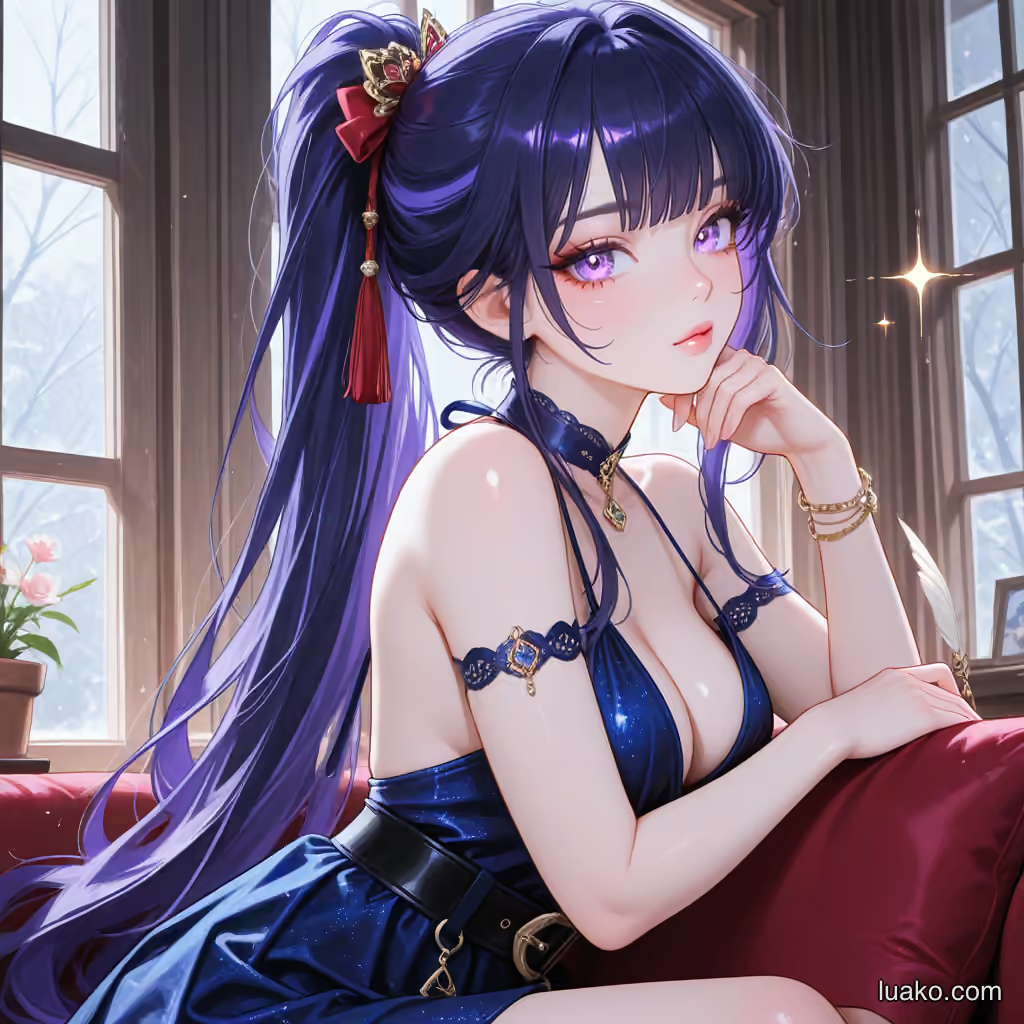
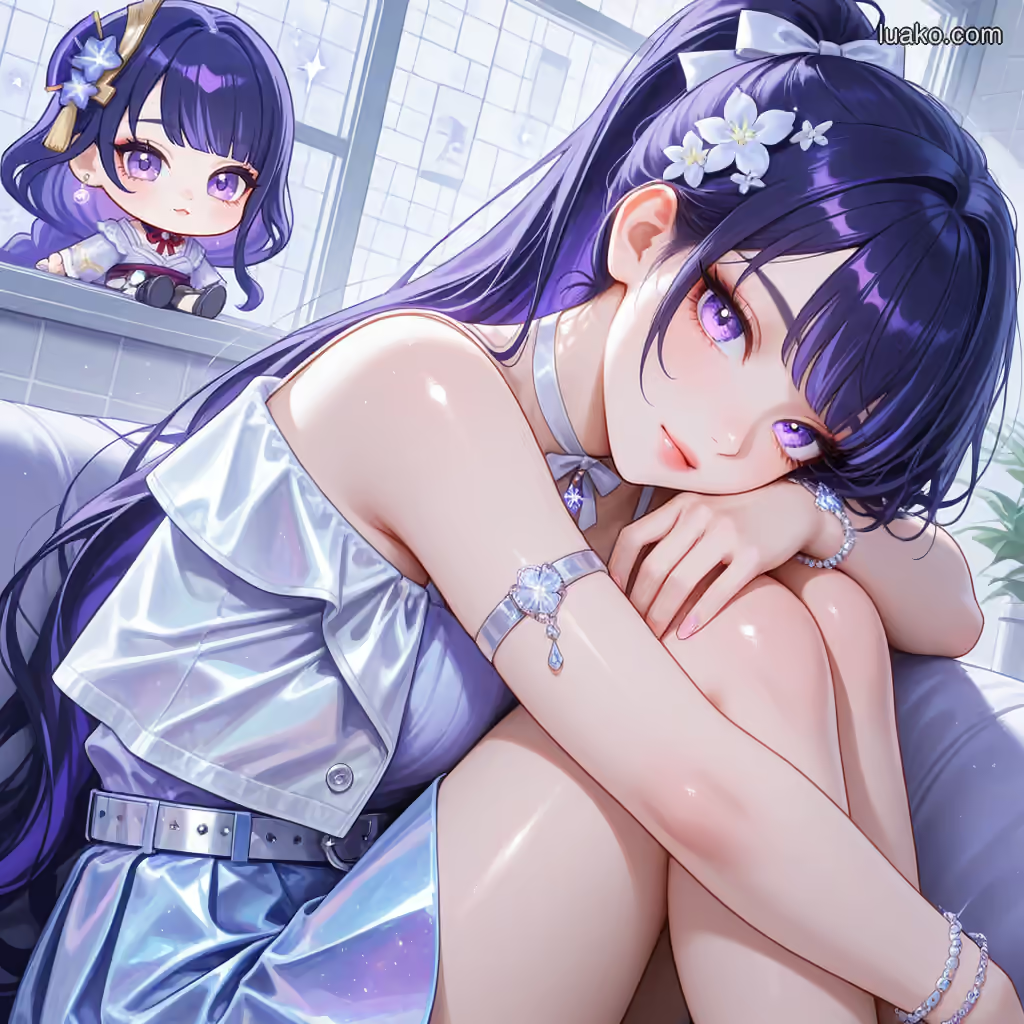
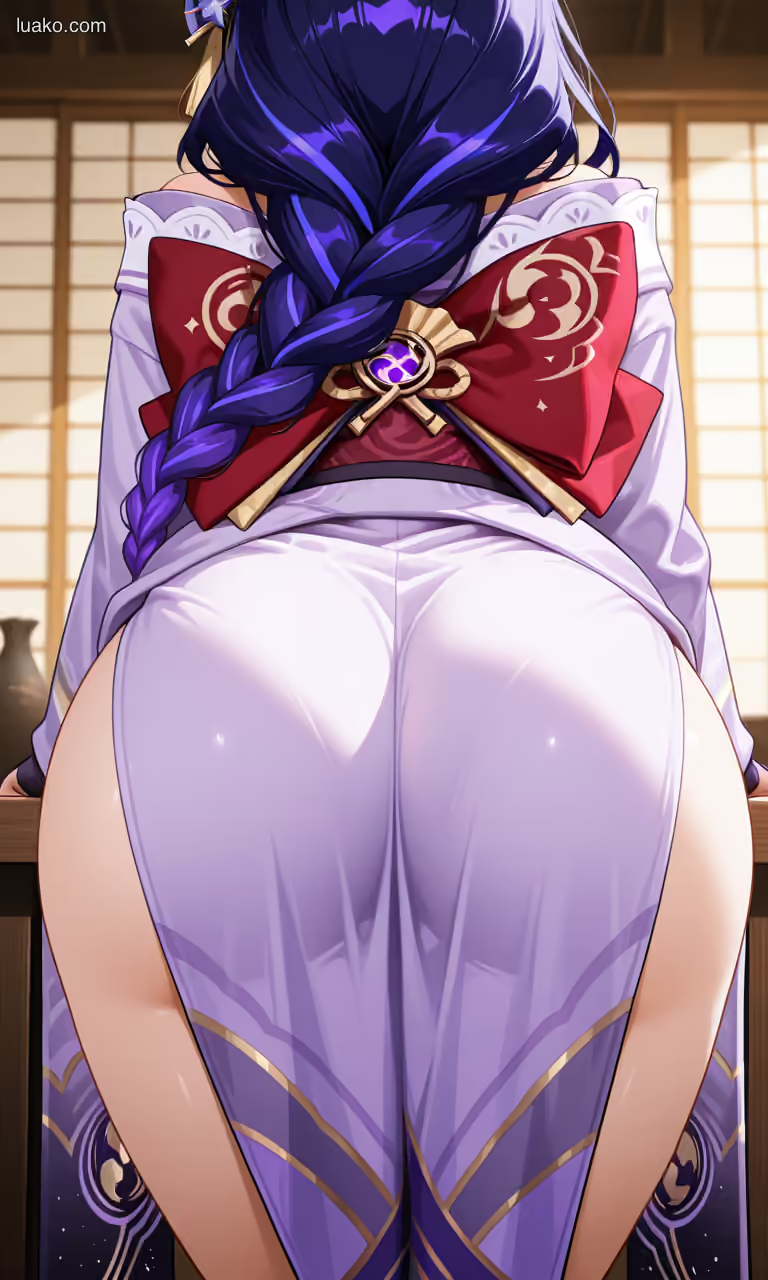
Raiden Shogun Artwork and Images
Explore a Raiden Shogun image gallery alongside information about Inazuma's Electro Archon and her story in Genshin Impact.
Videos · 14