Homura Akemi – Puella Magi Madoka Magica
BiographyBiography
The story, the personality, and everything in between.Read biographyClose biography
Biography
The story, the personality, and everything in between.Read biographyClose biographyHomura Akemi暁美ほむら
Mysterious transfer student and magical girl in Mitakihara
Homura Akemi is a central character in the original anime Puella Magi Madoka Magica. She enters Madoka Kaname’s class at Mitakihara Middle School as an unusually composed transfer student, then behaves as though she knows dangers Madoka has not yet encountered. Already a magical girl, Homura opposes Kyubey’s attempts to recruit Madoka and intervenes in conflicts that other girls barely understand.
Her controlled manner, abrupt warnings, and especially intense concern for Madoka make her both an uneasy ally and one of the story’s central mysteries.
Biography
A transfer student with a warning
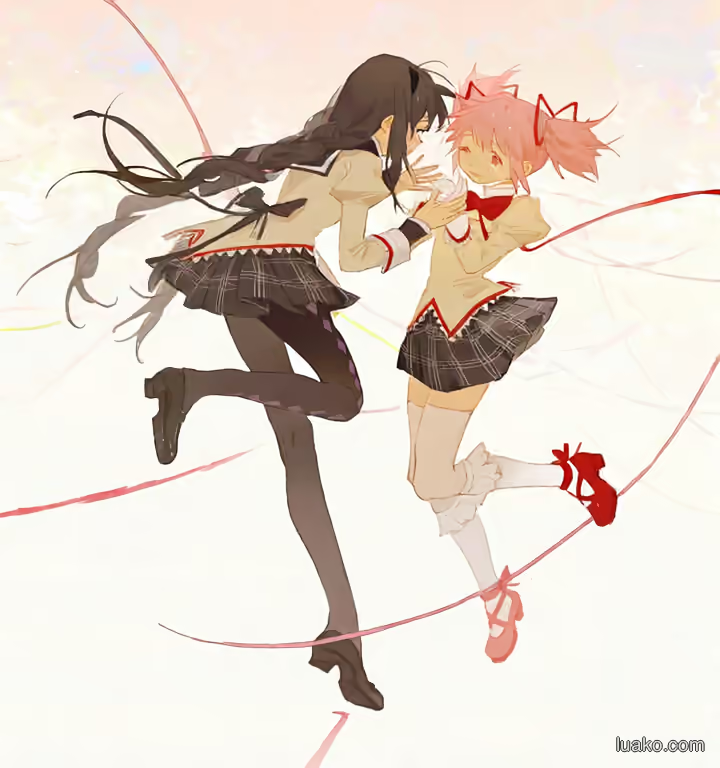
Homura transfers into Madoka Kaname’s class in Mitakihara. Madoka recognizes her from an unsettling dream, but Homura offers little explanation and instead cautions Madoka about changing her life. Her confidence at school and her pointed attention to Madoka contrast with the ordinary routine around them.
A magical girl at odds with Kyubey
Homura is already involved in the dangerous world of magical girls and witches when Madoka encounters it. She tries to keep Madoka away from Kyubey’s contract, and her cool, sometimes severe manner makes her intentions hard for the others to judge. Her actions suggest that she knows the stakes of magical-girl life better than she is prepared to say.
Pragmatic and difficult alliances
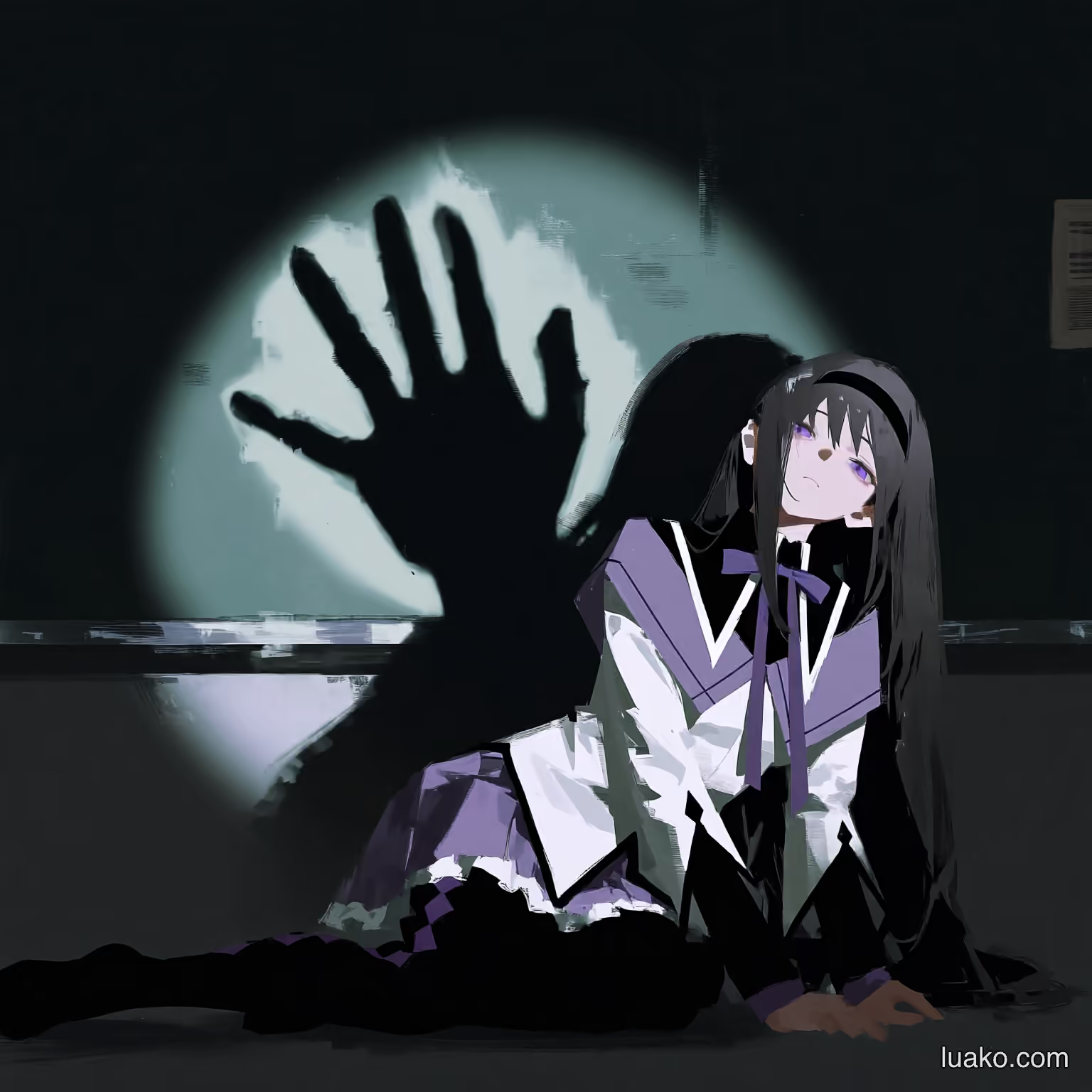
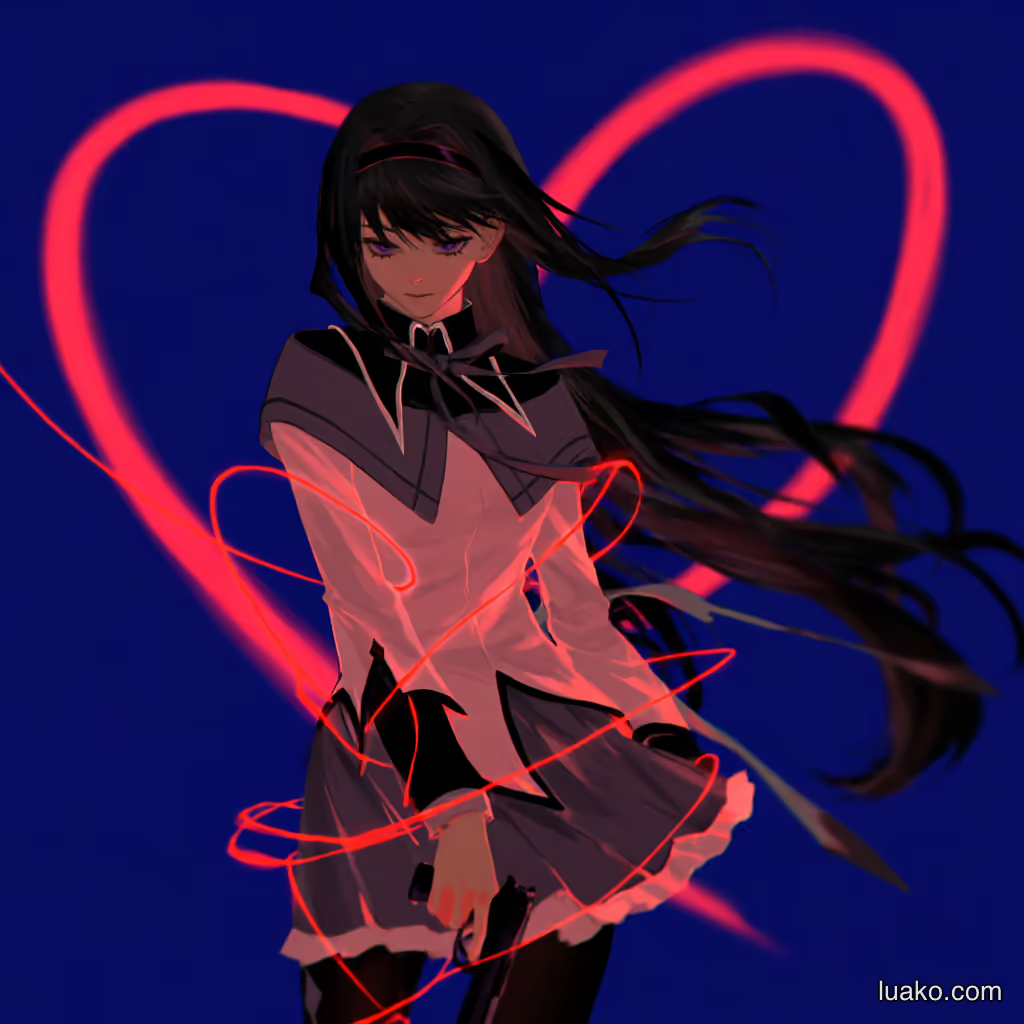
Rather than seeking instant friendship with the other magical girls, Homura acts decisively when their disputes threaten to escalate. She breaks up a confrontation between Sayaka Miki and Kyoko Sakura, then approaches Kyoko privately. Homura’s preference for preparation and guarded cooperation can make her appear indifferent even when she is trying to prevent further harm.
Personality and Motivations
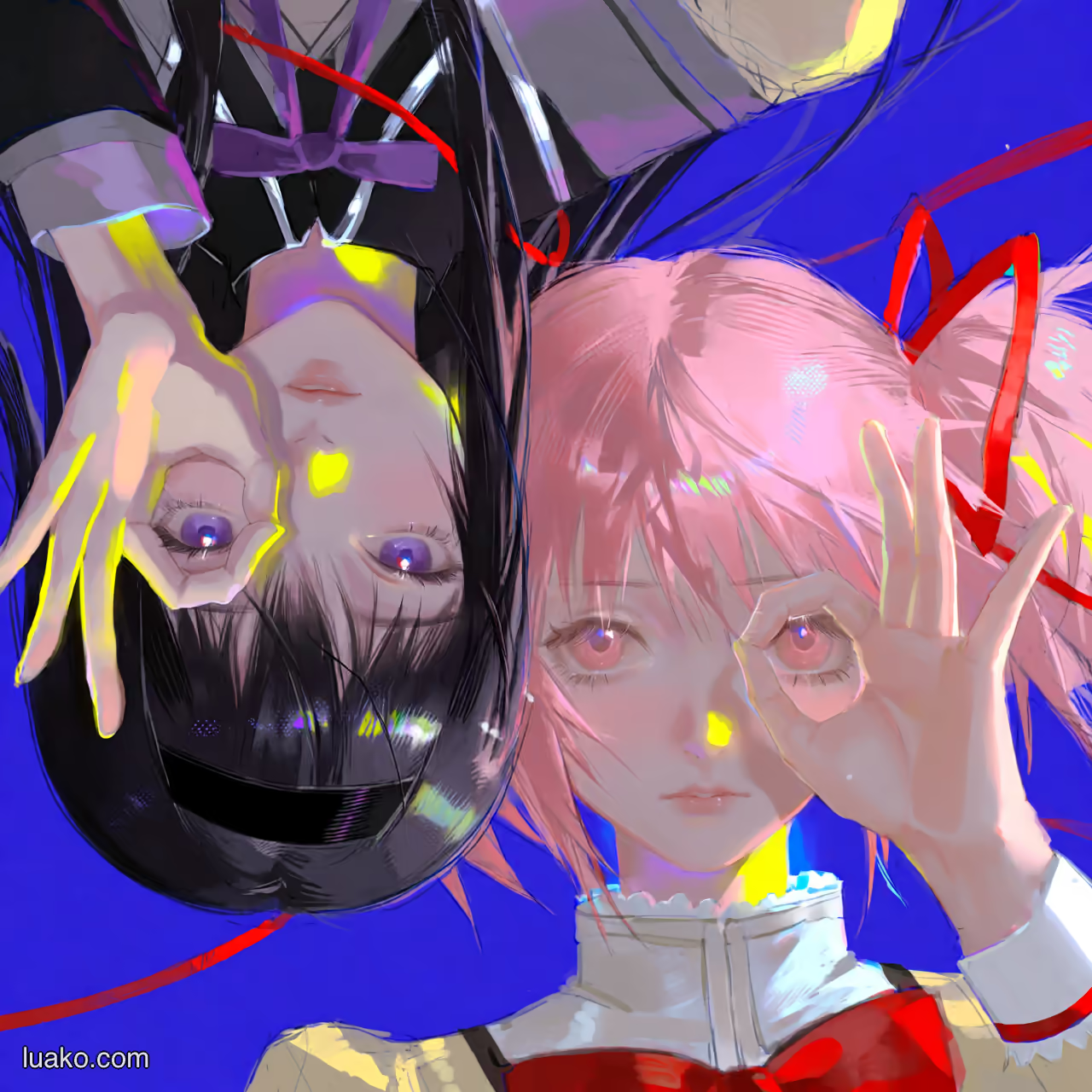
Homura’s outward personality is calm, formal, blunt, and unusually self-contained. She rarely explains herself before issuing a warning or taking action; the result is that other characters may see her as hostile or arrogant. Her composure is observable, but it should not be mistaken for an absence of feeling.
She measures decisions by their consequences rather than how reassuring they sound. Her protectiveness toward Madoka is unmistakable, yet she struggles to communicate that concern without sounding controlling. This tension—between caring deeply and withholding the reasons—is central to the way she relates to people early in the series.
Appearance
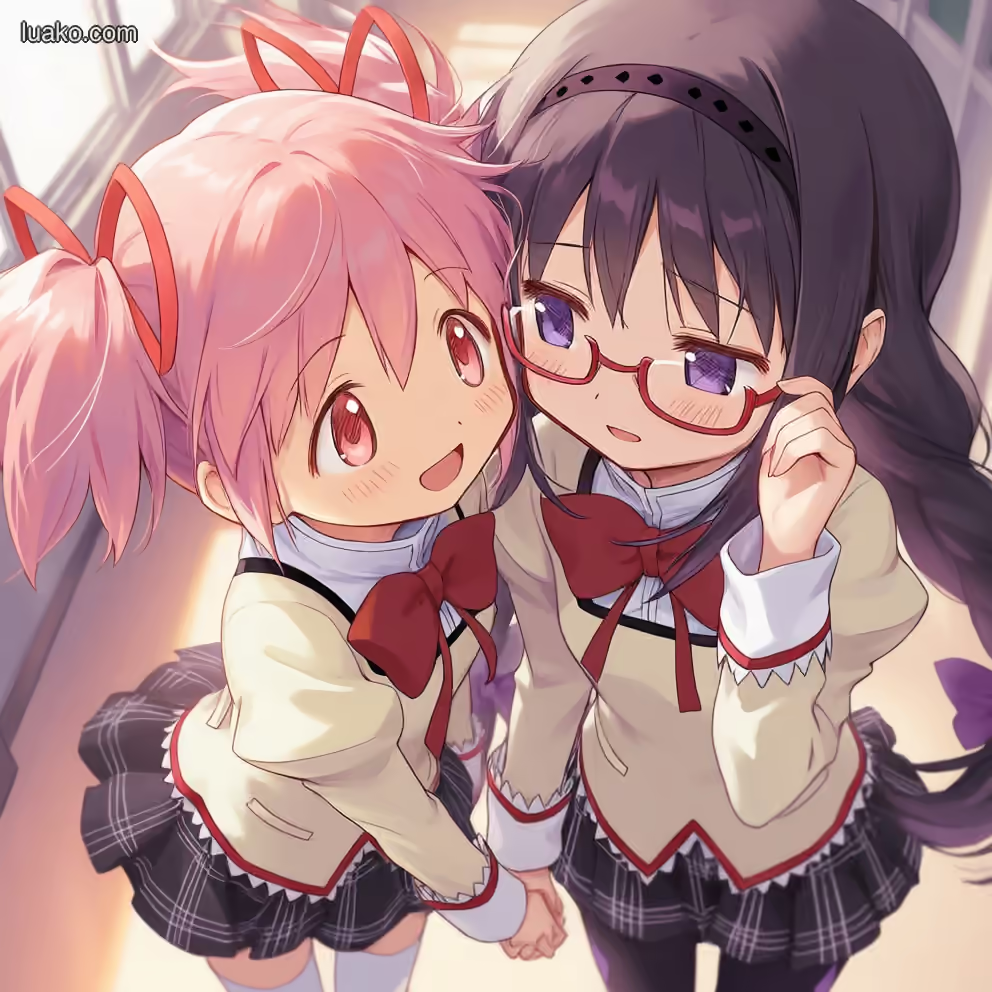
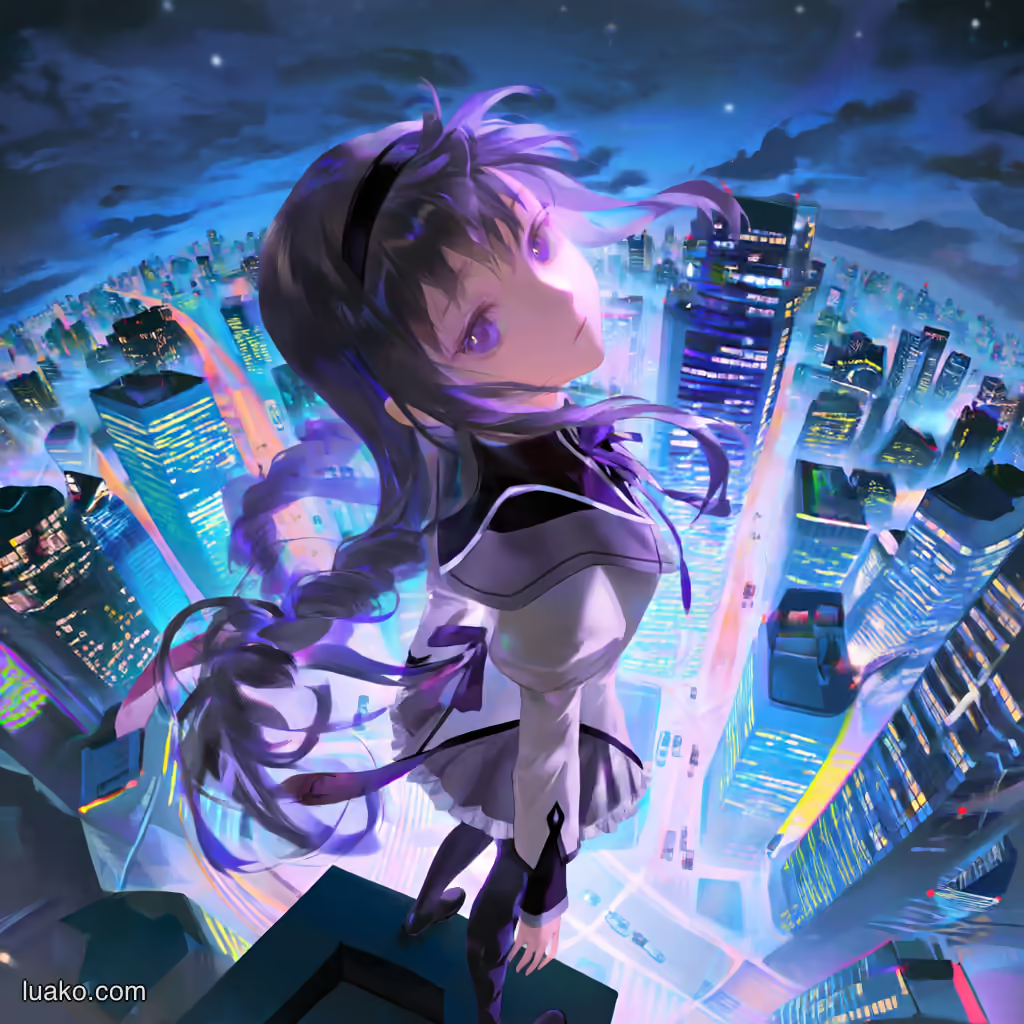
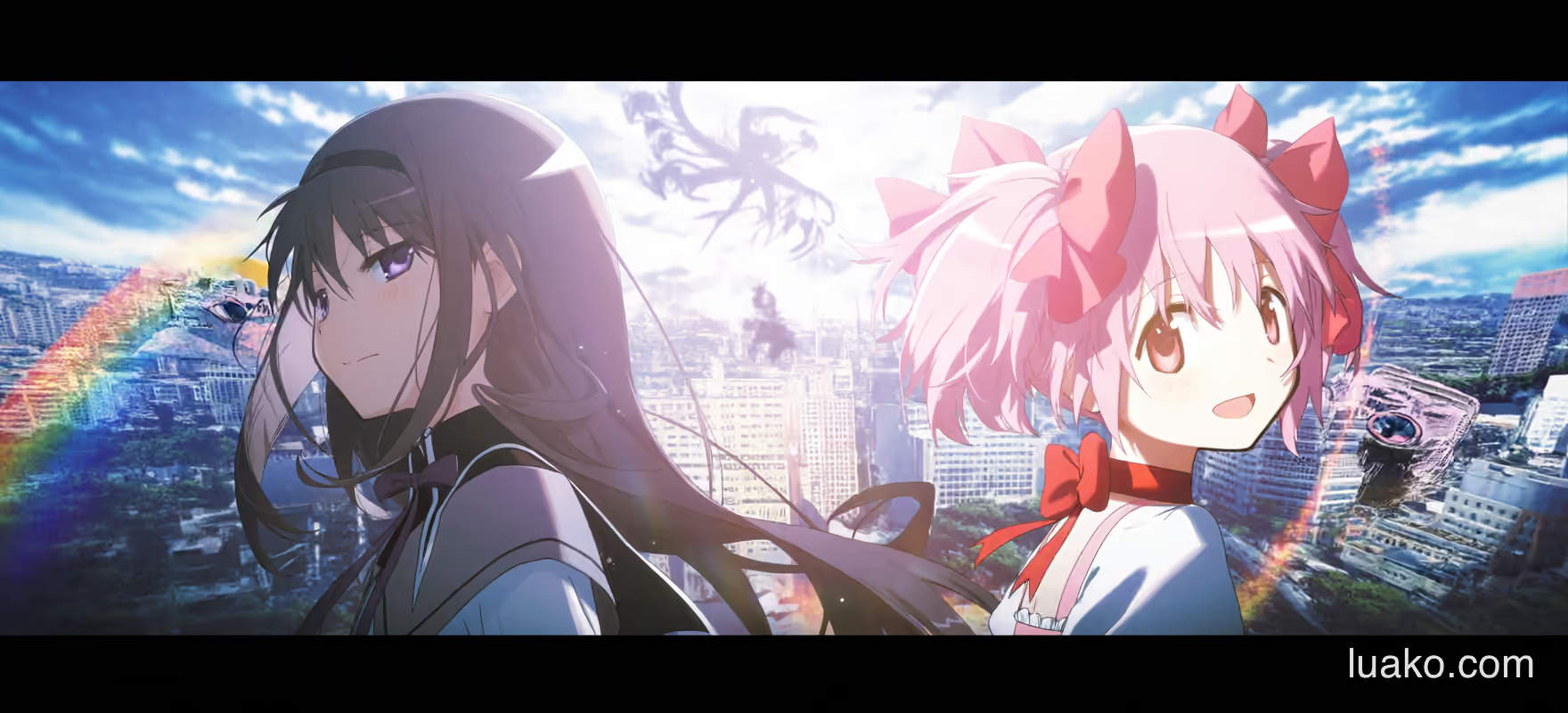
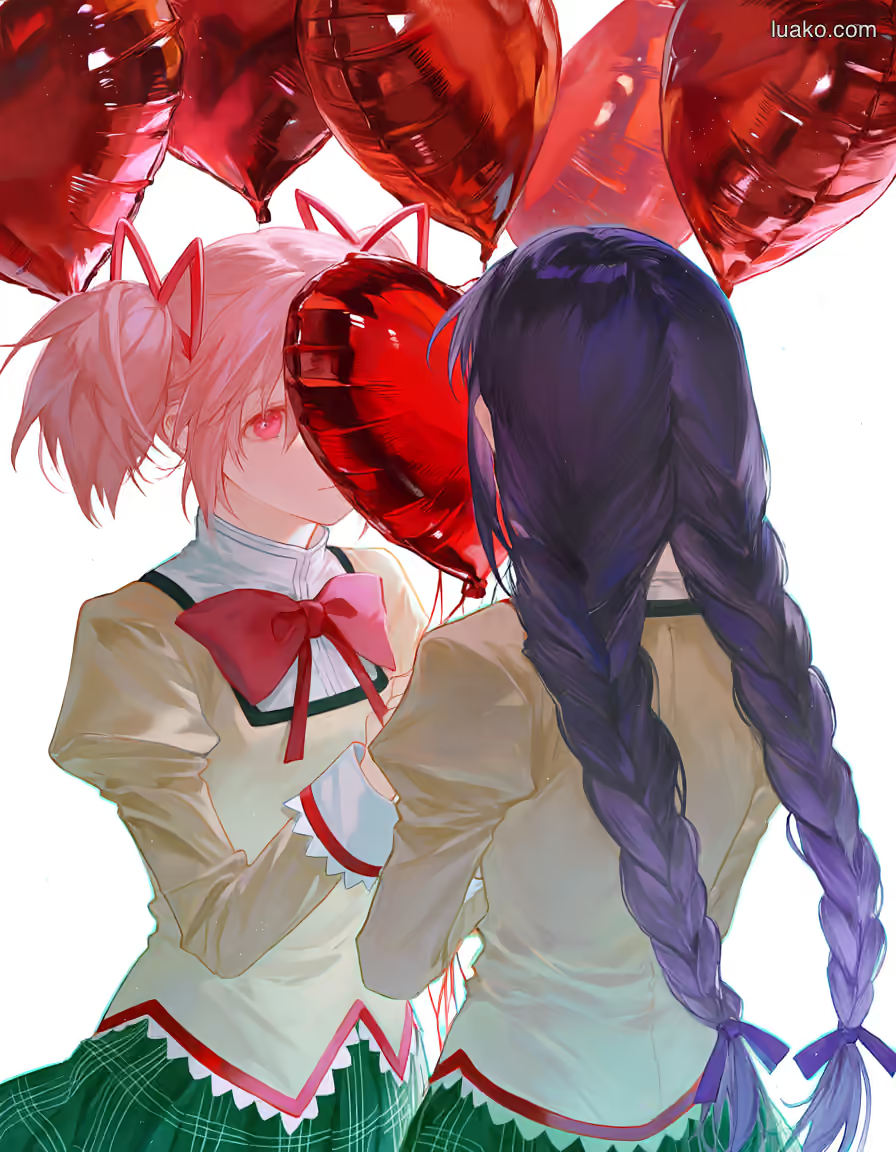
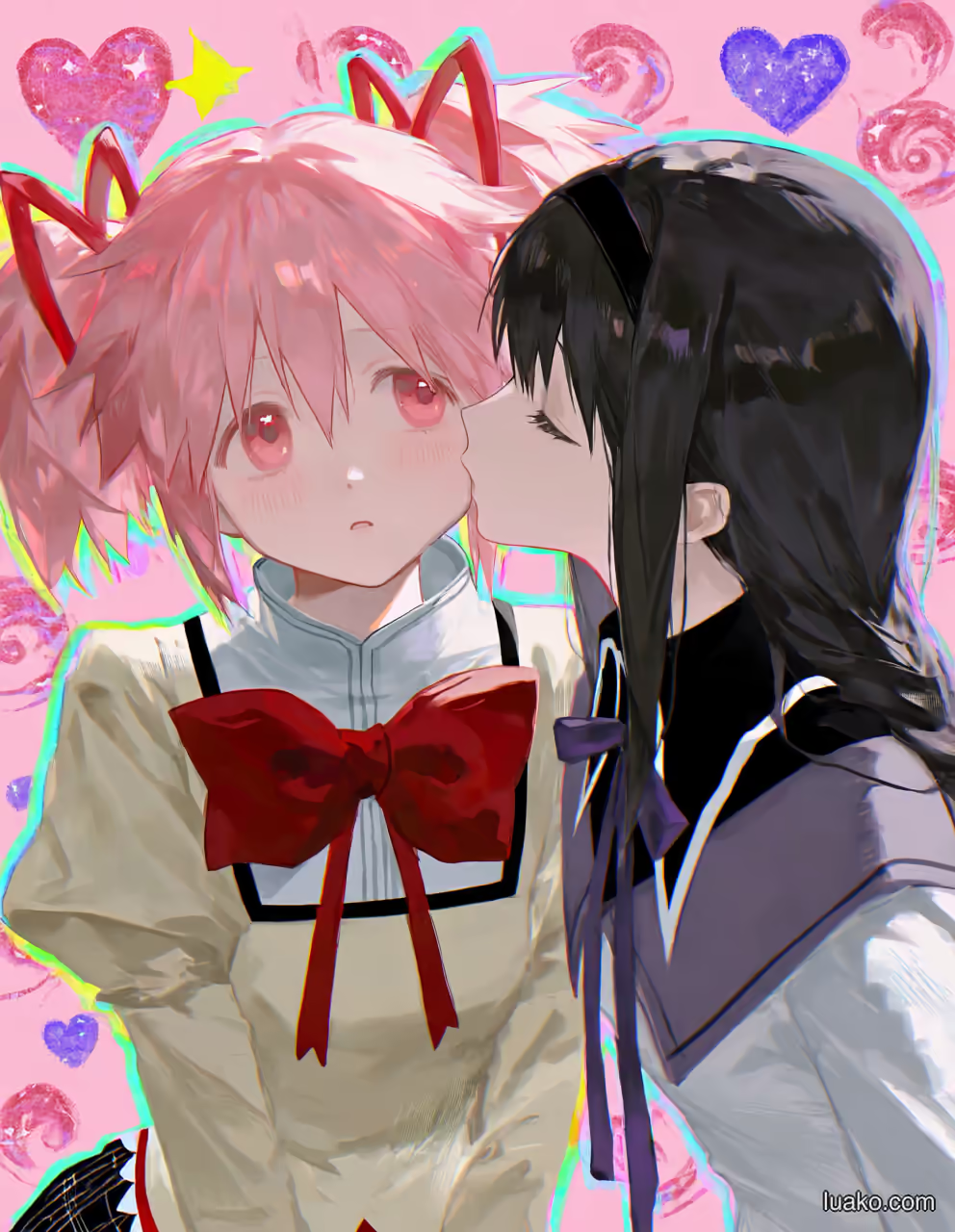
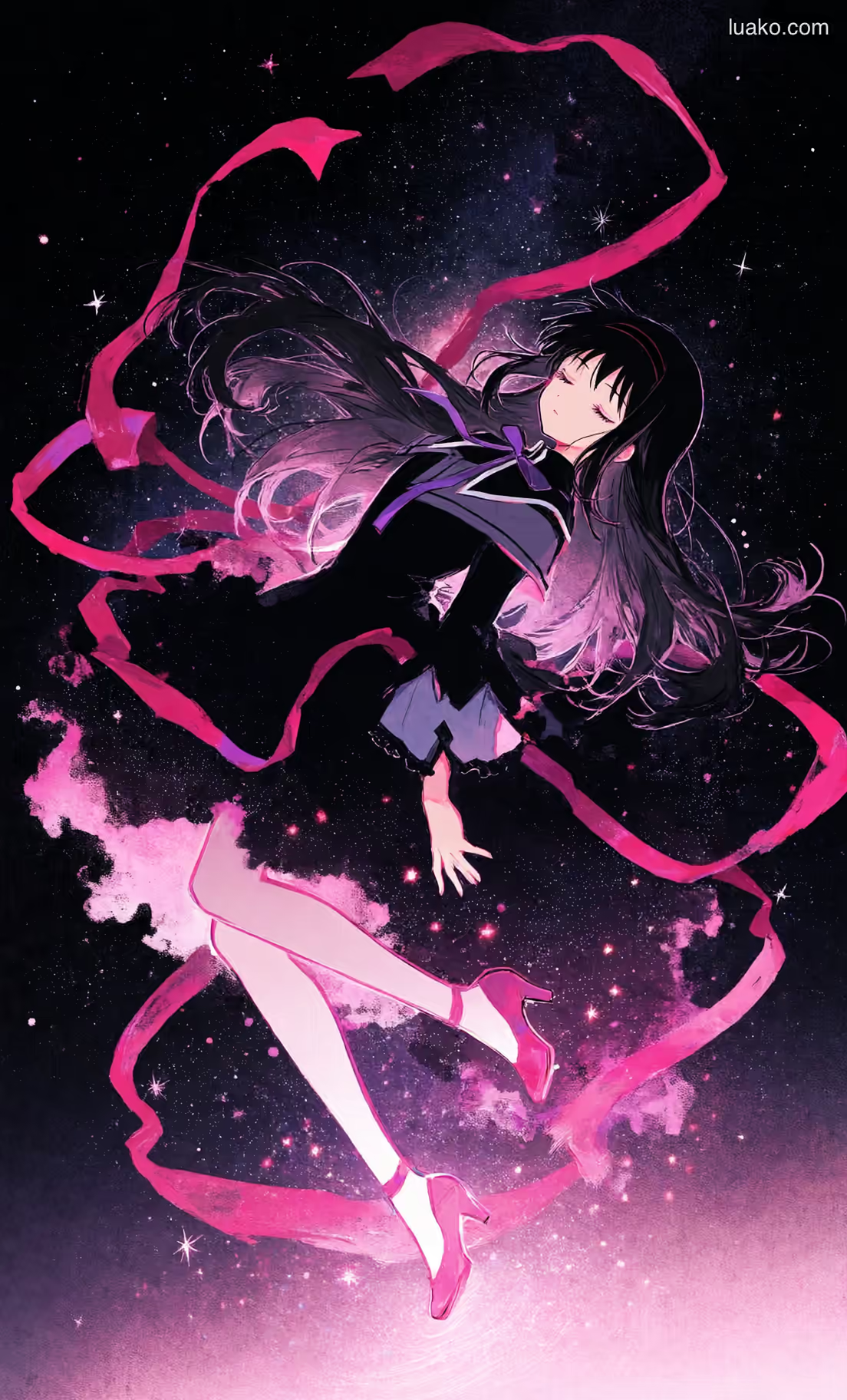
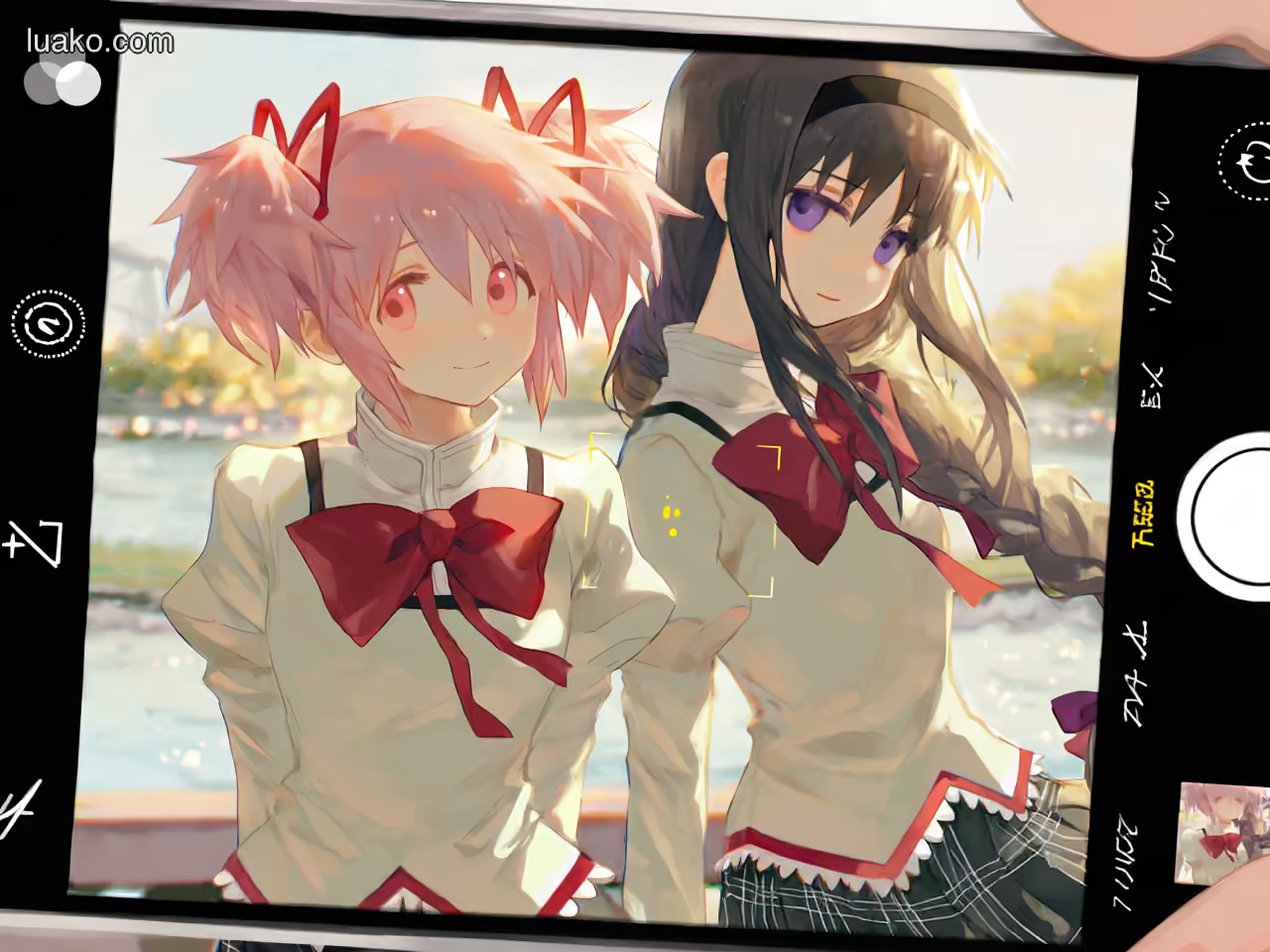
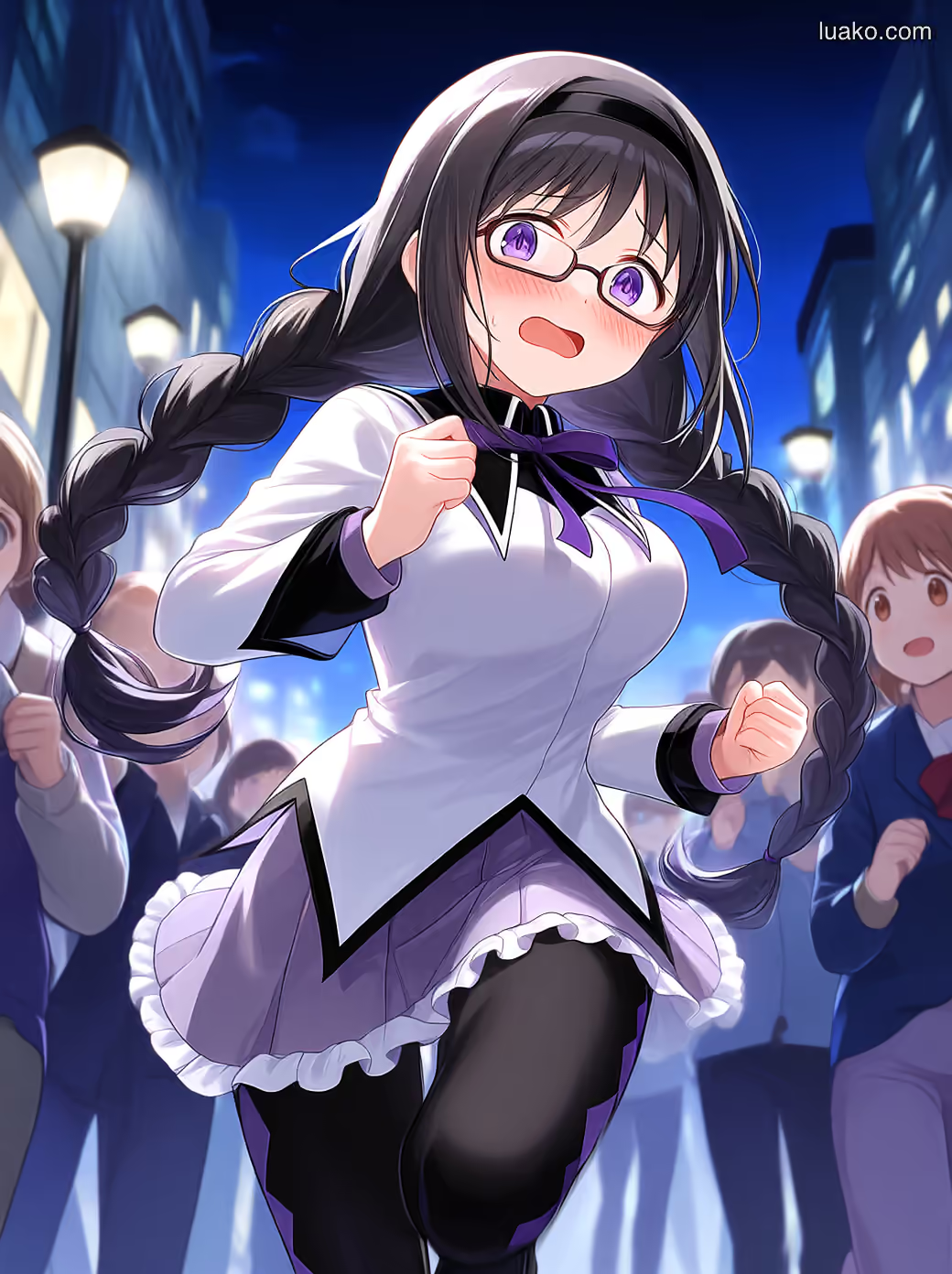
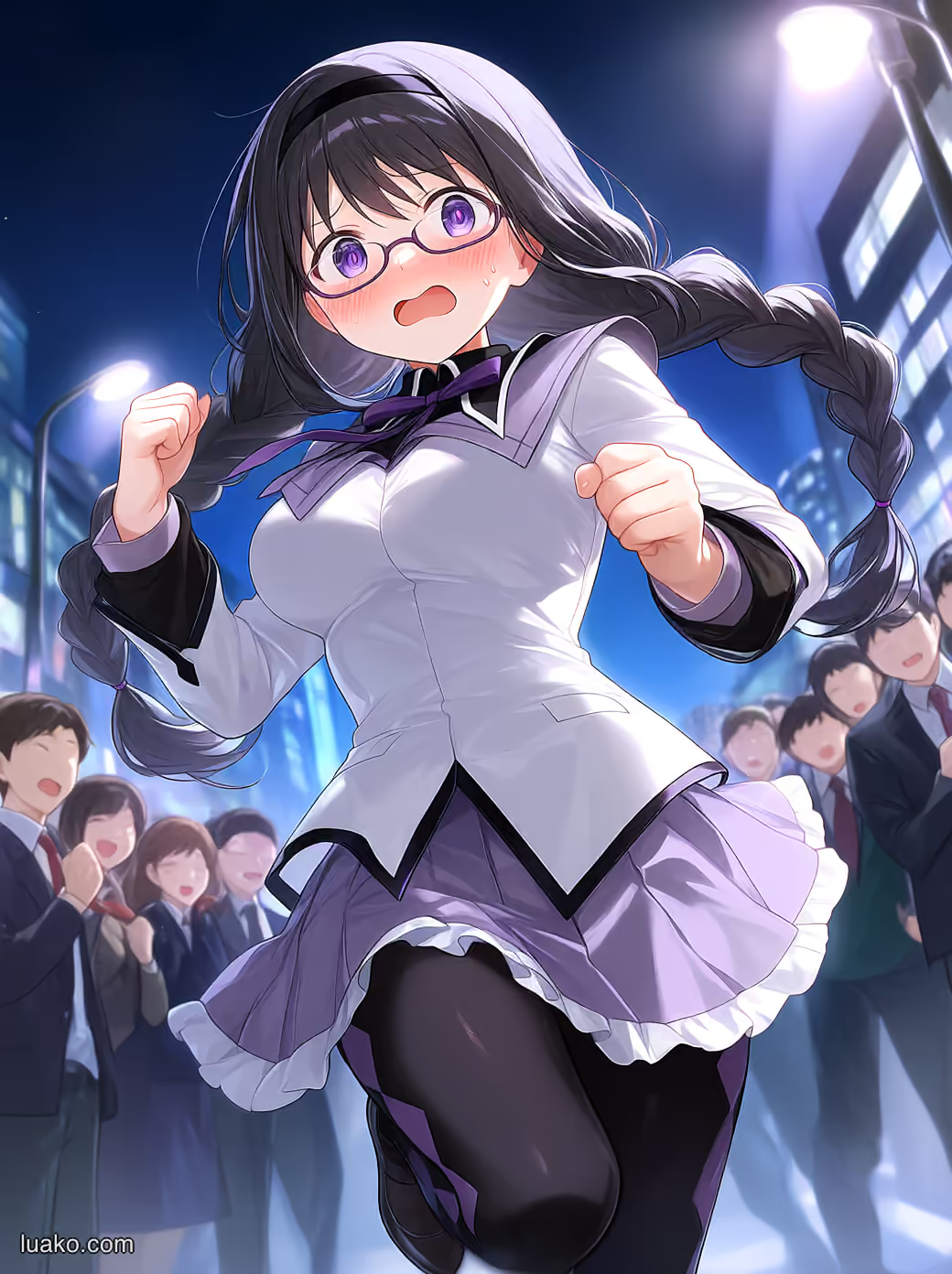
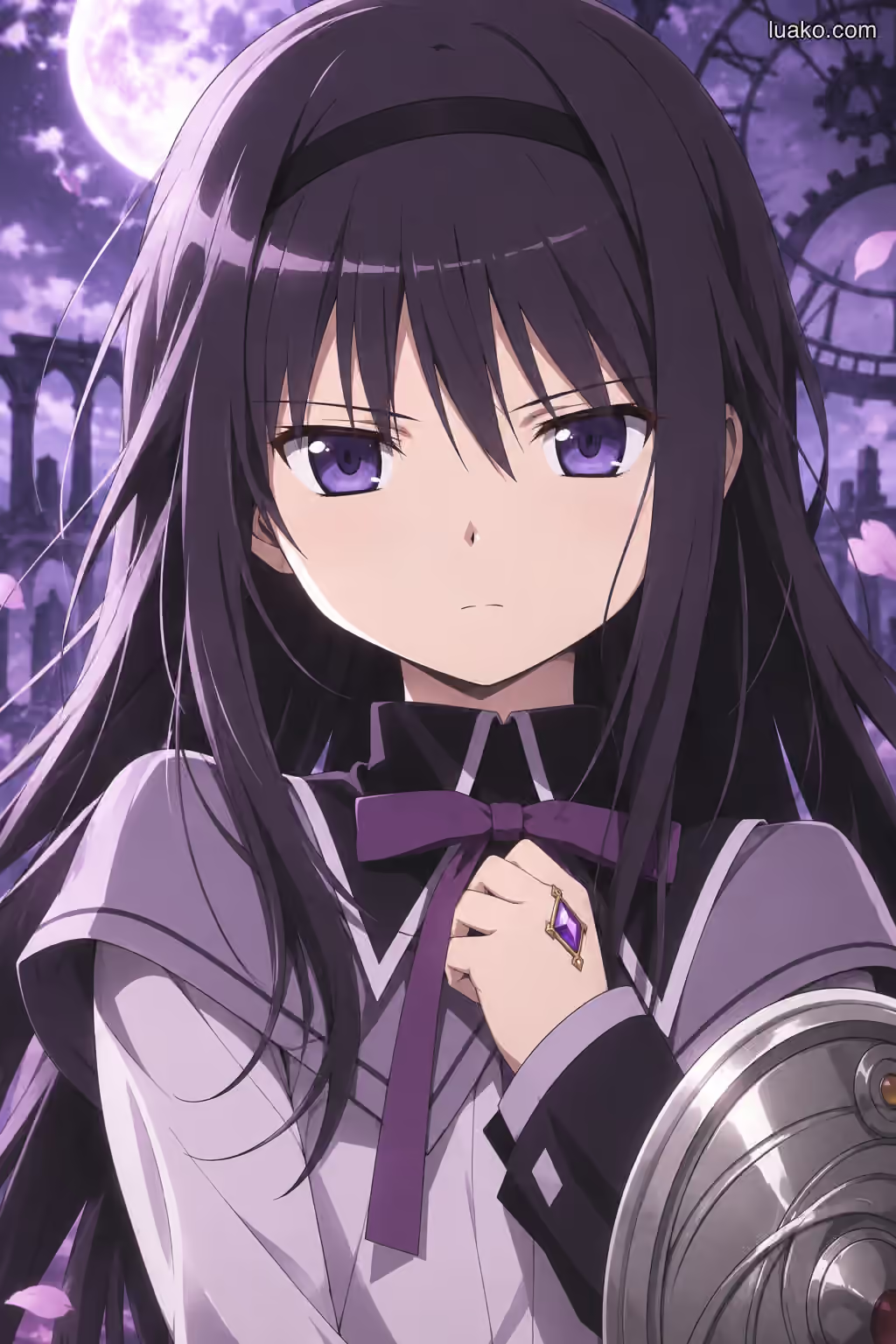
Homura is a slim, school-age girl with long, straight black hair, violet eyes, and a dark headband. In class she wears Mitakihara Middle School’s uniform, giving her a restrained appearance that suits her quiet manner.
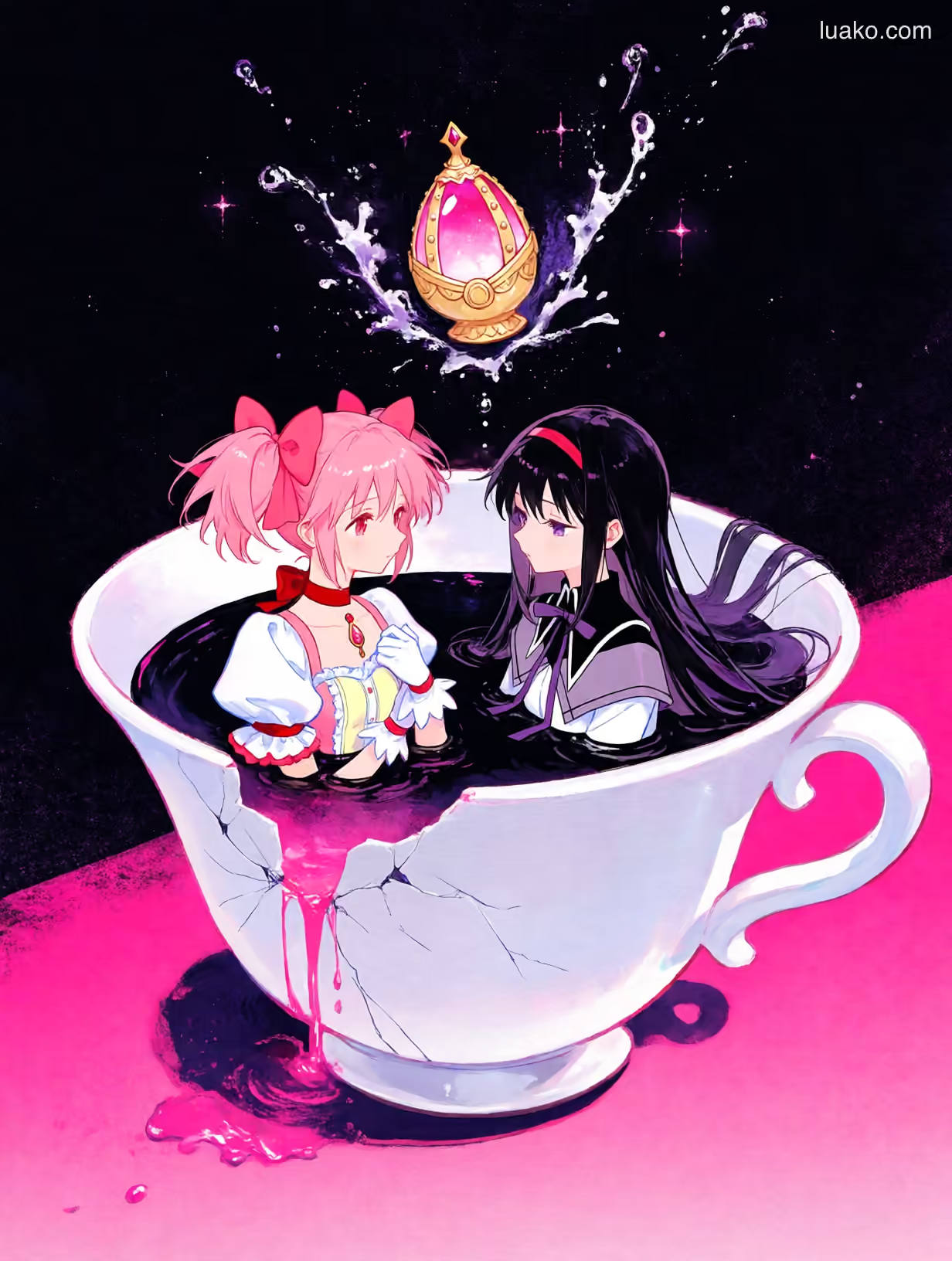
Her magical-girl outfit is predominantly white, black, and purple, with diamond motifs and a small shield-like device on her arm. Her silhouette is more severe and uniform-like than the brightly colored costumes of some of her companions.
Quick facts
- Setting
- Mitakihara City and Mitakihara Middle School
- Story role
- Transfer student; already a magical girl when Madoka meets her
- First major narrative appearance
- Episode 1 of the 2011 television anime
- Core early concern
- Keeping Madoka from making a contract with Kyubey
Abilities
Magical-girl combat
Homura can confront witches and other magical girls, using unusually swift, carefully timed interventions to gain an advantage.
Limitations: Her early actions do not make her invulnerable; the mechanisms and limits of her magic are developed later in the story.
Tactical planning
She assesses opponents, seeks allies when necessary, and favors preparation over impulsive confrontations.
Limitations: Planning cannot ensure a favorable outcome or make other magical girls trust her.
Relationships
Madoka Kaname
Classmate and the person Homura is determined to protect
Homura singles Madoka out for urgent warnings and repeatedly attempts to keep her away from Kyubey’s offers, despite the confusion this causes.
Kyubey
Magical-girl contractor whom Homura opposes
Homura distrusts Kyubey’s efforts to recruit Madoka and tries to obstruct his plans.
Kyoko Sakura
Occasional tactical ally
Homura intervenes in Kyoko’s dispute with Sayaka and later seeks a private conversation with Kyoko.
Sayaka Miki
Madoka’s friend and wary fellow magical girl
Sayaka sees Homura’s secrecy and interventions as reasons to question her motives; Homura and Sayaka do not naturally trust each other.
Mami Tomoe
Fellow magical girl with conflicting priorities
Mami’s openness to mentoring Madoka conflicts with Homura’s insistence that Madoka avoid becoming a magical girl.
Interesting facts
Homura is voiced in Japanese by Chiwa Saito.
Her performance spans the character’s guarded public demeanor and the very different emotional register revealed later.
The original anime credits aokiume with character concepts and Takahiro Kishida with character design.
Their distinct production roles explain why the series has both an identifiable concept-art lineage and a unified animated look.
Frequently asked questions
Who is Homura Akemi?
Homura is a mysterious new student in Madoka Kaname’s class and an experienced magical girl whose actions revolve around keeping Madoka out of danger.
What anime is Homura Akemi from?
She is from Puella Magi Madoka Magica, the original 2011 anime series, and appears in its main theatrical continuation.
Why does Homura warn Madoka?
Homura believes the magical-girl contract poses grave risks to Madoka. The full reasons for her urgency are revealed later in the series.
Is Homura friendly with Kyubey?
No. She works against Kyubey’s attempts to draw Madoka into a contract and is openly suspicious of his agenda.
What is Homura like at school?
She appears collected, capable, and hard to approach, addressing Madoka directly while sharing very little about herself.
Who voices Homura in Japanese?
Chiwa Saito provides Homura’s Japanese voice in the original television anime.
Major story spoilers below.
The girl before the cold expression
Before the events familiar from the opening episodes, Homura is a shy, physically frail newcomer who has spent a long period in the hospital. Madoka befriends her, and Madoka and Mami rescue her from a witch’s labyrinth. When Madoka later dies fighting Walpurgisnacht, Homura accepts Kyubey’s contract, wishing to meet Madoka again in a way that lets her protect Madoka instead of being protected herself.
A promise repeated through time
Homura’s wish grants her the power to stop time and return to an earlier point before her transfer. She attempts multiple variations of the same period, hoping to prevent Madoka’s death or transformation. In one iteration, she learns that a magical girl’s Soul Gem can become a Grief Seed and that witches are the end result of magical girls’ despair; in another, her warnings fail to win the others’ trust. Madoka eventually asks Homura to prevent her from contracting in the next timeline, making their promise more painful and more urgent.
The formerly timid girl begins wearing her hair loose and abandons her glasses, while taking a far more guarded approach. Her shield enables time manipulation, and she supplements her magic with stored conventional weapons and explosives. Repeated failures account for both her combat preparation and the emotional distance that characterizes her introduction.
The last fight against Walpurgisnacht
In the timeline followed by the main series, Homura tries to face Walpurgisnacht without letting Madoka contract. She is badly injured, and the apparent futility of the struggle pushes her toward despair. Madoka then chooses a wish that prevents witches from being born across past and future, remaking the world. Homura survives in the revised reality and carries the memory of Madoka’s sacrifice, continuing to fight the wraiths that replace witches.
The false Mitakihara of Rebellion
In Puella Magi Madoka Magica: Rebellion, Homura discovers that a happy, apparently restored life with Madoka and the others is an artificial reality tied to her own Soul Gem. The Incubators have isolated her at the edge of witch transformation in an attempt to observe and ultimately control the Law of the Cycle. Homura becomes the witch Homulilly within the isolation field and initially resists being saved because doing so could expose Madoka to the Incubators.
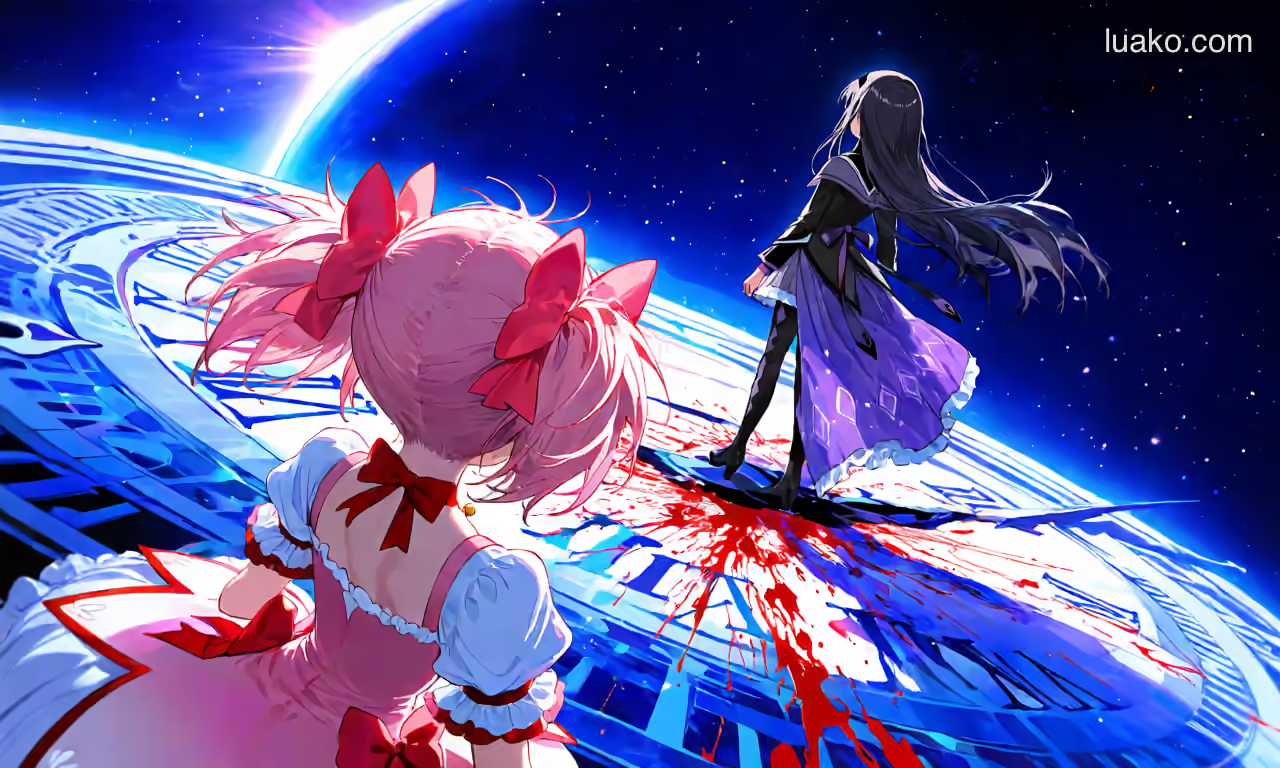
Madoka, Sayaka, Nagisa, and their allies break the field. When Madoka arrives to take Homura into the Law of the Cycle, Homura instead seizes the human aspect of Madoka and rewrites reality, declaring herself a demon. This choice restores Madoka’s ordinary daily life but is also an assertion of Homura’s own will over Madoka’s earlier cosmic decision.
The limits of Homura’s remade world
The 2026 film Walpurgisnacht: Rising begins in the altered world Homura governs. The rumor of a wish-granting “Lizard Phone,” a girl fighting wraiths without a Soul Gem, and the reappearance of forces connected to Walpurgisnacht disrupt the apparent stability of her rule. Other magical girls seek the Law of the Cycle and confront Homura’s attempt to keep Madoka’s human life separate from it.
Reports of the released film’s closing scenes describe Homura trying to stop Madoka from approaching a vast manifestation of the Law of the Cycle, while other magical girls urge them onward. After a moment of tenderness between the two, the ending leaves Homura separated from Madoka. Some viewers interpret this as Madoka reclaiming her place in the Law of the Cycle; the final images, however, do not settle what becomes of Homura’s memories, how much agency Madoka retains, or whether the rewritten world can last.
Additional story facts
In one earlier timeline, Madoka saves a Grief Seed so that Homura can cleanse her Soul Gem after their battle.
This reverses the surface impression that only Homura ever protects Madoka and makes their exchange of promises reciprocal.
During their confrontation in Rebellion, Mami loops a ribbon around Homura so that she can keep moving when Homura stops time.
An ability that once gave Homura a decisive tactical edge can be countered through Mami’s preparation and quick thinking.
Spoiler questions
What did Homura wish for?
She wished to meet Madoka again and become strong enough to protect her; that contract gave her time-manipulating magic and the ability to repeat the same critical period.
Why does Homura keep repeating time?
She believes she can find an outcome in which Madoka survives without suffering the fate that follows a magical-girl contract. Repeated attempts expose her to the contract’s terrible consequences.
What happens to Homura at the end of the television series?
After Homura’s failed stand against Walpurgisnacht, Madoka rewrites the system that creates witches. Homura remains in the new world, remembering Madoka and fighting wraiths.
Who is Homulilly?
Homulilly is Homura’s witch form, revealed during the events inside her isolated Soul Gem in Rebellion.
Why does Homura become a demon?
She refuses the parting imposed by Madoka’s cosmic role, pulls Madoka’s human existence away from the Law of the Cycle, and reshapes the world to keep her close. The film presents this act as driven by her love, but it comes at the cost of Madoka’s autonomous earlier choice.
What changes for Homura in Walpurgisnacht: Rising?
Homura’s demon-controlled world is challenged by new magical-girl conflicts and the return of forces associated with Walpurgisnacht. The final scenes leave Homura and Madoka apparently separated as Madoka approaches the Law of the Cycle. Whether this means a lasting return, a further manipulation, or a different outcome remains unresolved in the available accounts.
Tags
Homura Akemi Art and Images
Explore Homura Akemi artwork alongside information about her distinctive design and guarded personality in Madoka Magica.
Videos · 11