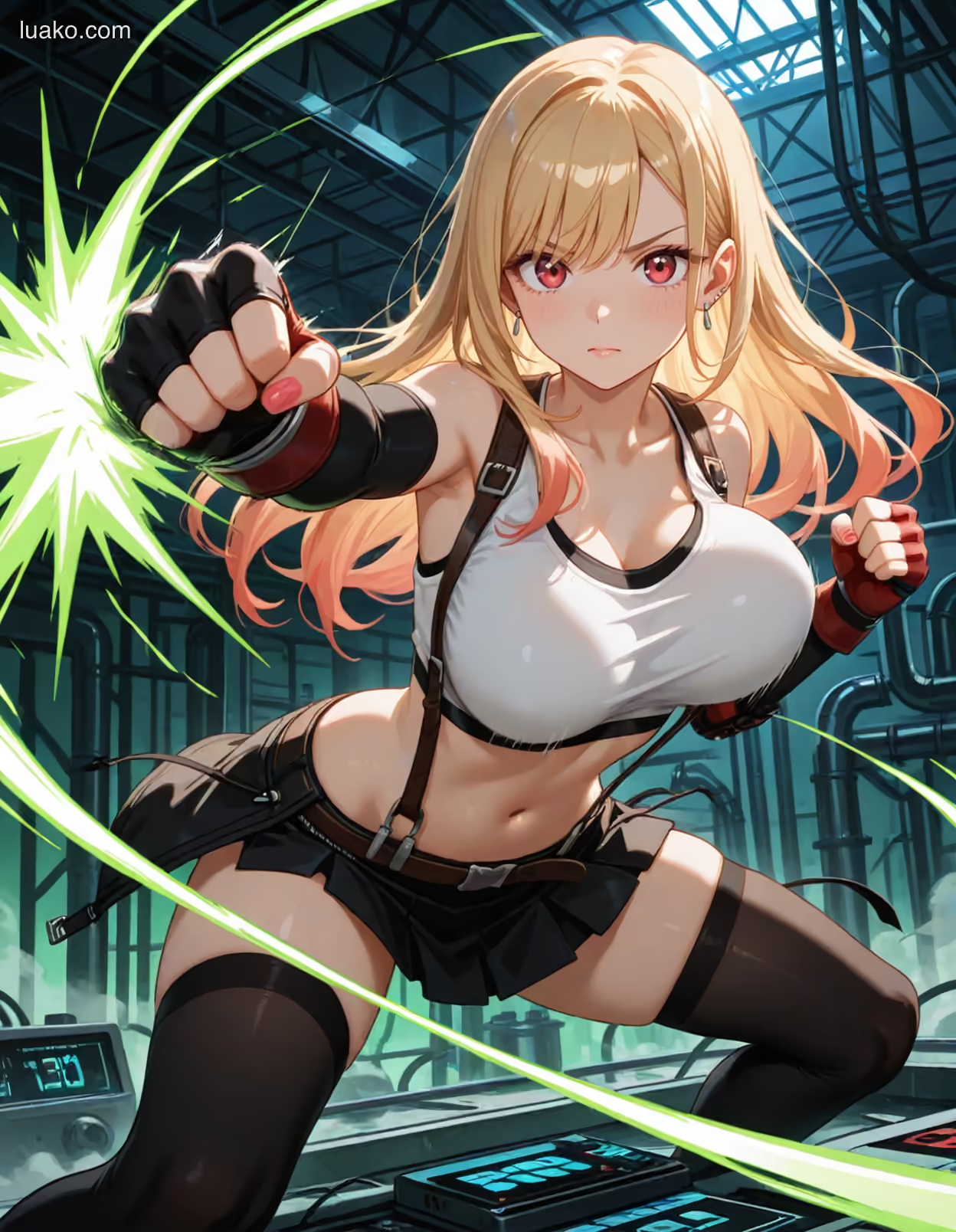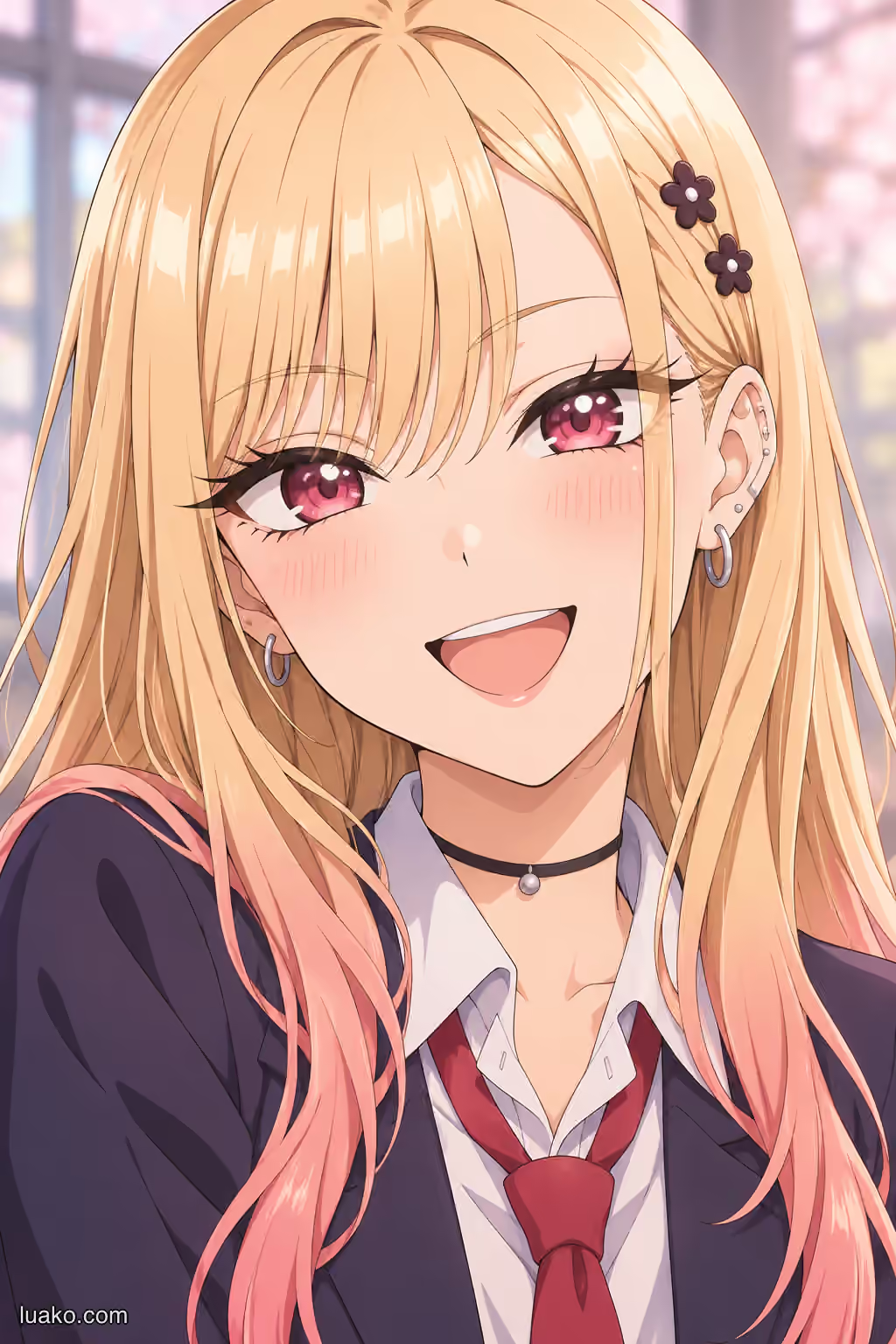
Marin Kitagawa — My Dress-Up Darling
BiographyBiography
The story, the personality, and everything in between.Read biographyClose biography
Biography
The story, the personality, and everything in between.Read biographyClose biographyMarin Kitagawa喜多川海夢
Female lead; first-year high school student, part-time reader model, and aspiring cosplayer
Marin Kitagawa is the outgoing female lead of Shinichi Fukuda's manga My Dress-Up Darling (Sono Bisque Doll wa Koi wo Suru). A popular first-year high school student and reader model, she loves manga, anime, and games and wants to dress as the characters who capture her imagination. When she discovers that her quiet classmate Wakana Gojo can sew, his experience making traditional hina-doll clothing offers a path toward the cosplay costumes she cannot yet create herself.
Marin's unguarded enthusiasm and her respect for Gojo's seemingly unrelated craft turn an awkward meeting in the school's sewing room into a creative partnership.
Biography
The girl who loves what she loves
At school, Marin is a sociable, fashionable presence with a circle of friends; outside class, she reads manga, watches anime, plays games, and works as a reader model. Her excitement about fictional characters is sincere rather than a pose. Although she is eager to try cosplay, liking an outfit and actually constructing it turn out to be very different skills.
An unexpected partner in the sewing room
Marin discovers Wakana Gojo sewing at school. Gojo has spent years developing the skills he needs to make traditional hina dolls, but he keeps that interest largely to himself after being hurt by a childhood reaction to it. Marin sees his handiwork as an opportunity to realize her own cosplay ambition, and the classmates begin planning her first proper costume. The friendship begins not with instant understanding of every hobby, but with respect for how seriously each of them cares.
From Shizuku to the first event
Her first major project with Gojo is a costume based on Shizuku Kuroe, a character Marin passionately admires. The short preparation window strains Gojo’s schedule, yet their collaboration leads to Marin attending a cosplay event. Being photographed in a character she loves makes the dream tangible; spending time with Gojo also becomes increasingly important to her.
Finding a wider cosplay community
Marin’s activities bring her into contact with the experienced cosplayer Sajuna Inui, known as JuJu, and Sajuna’s younger sister Shinju, who works with a camera. Group photography and new costume choices challenge the idea that cosplay is only about wearing a finished outfit: performance, make-up, lighting, photography, preparation, and friendship all matter. Marin continues to explore a variety of fictional characters while Gojo develops his own skills.
More than a costume
As the two spend time together at cosplay events and outside them, Marin's busy social life begins to overlap with Gojo's quieter world. She draws him into new experiences; he takes her character ideas seriously enough to work through the demanding practical details. Their differences can make ordinary situations awkward, particularly as their feelings become harder to ignore, but they continue choosing projects they both care about.
Personality and Motivations
Marin is expressive, energetic, and unusually candid about what she enjoys. She does not reserve her enthusiasm for whatever is fashionable at school; games, character stories, and cosplay matter to her just as much. This can make her seem impulsive, especially beside the reserved Gojo, but her enthusiasm is grounded in genuine attachment to the characters and creators she admires.
She respects the interests of people who differ from her. Rather than ridiculing Gojo’s work with hina dolls, she recognizes the value of the skill and effort behind it. She is quick to act when inspired and willing to ask for help when a practical skill is beyond her. That combination of confidence and openness helps her make connections across different social circles.
Her confidence is not complete immunity to embarrassment or uncertainty. Ordinary experiences with Gojo can fluster her precisely because she cares about them, and she sometimes finds that expressing a personal feeling is harder than enthusiastically talking about fiction. Her emotional range keeps her from being only the relentlessly cheerful person others first see.
Appearance
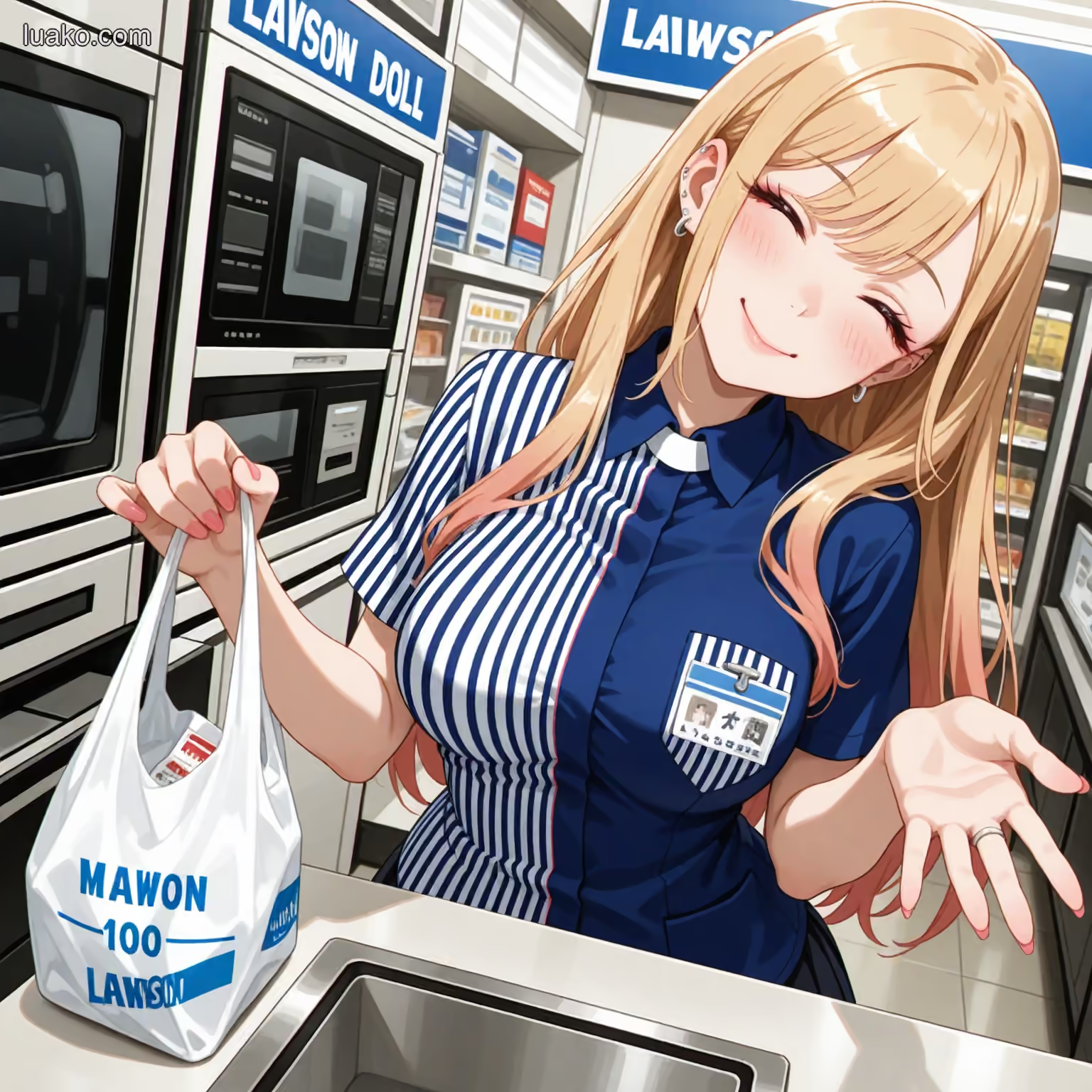
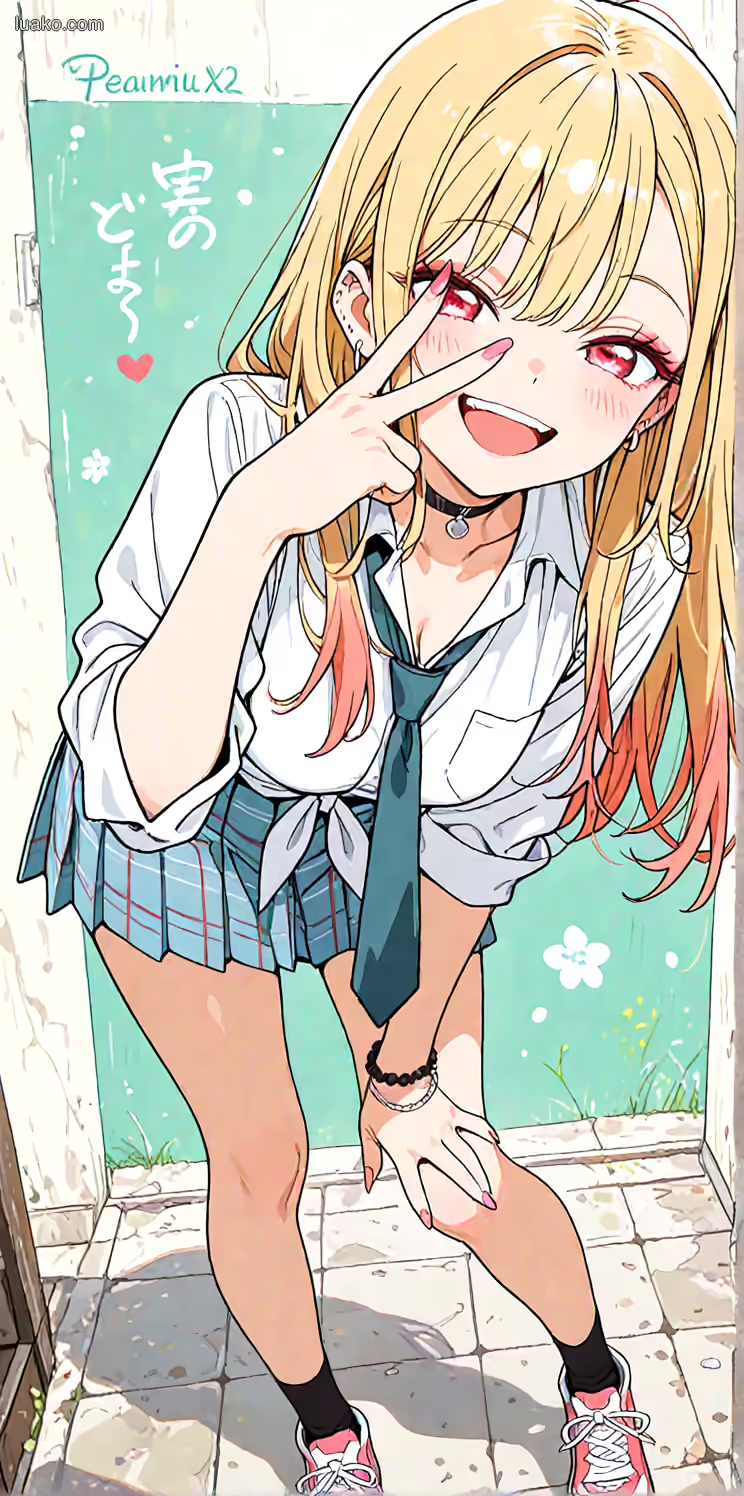
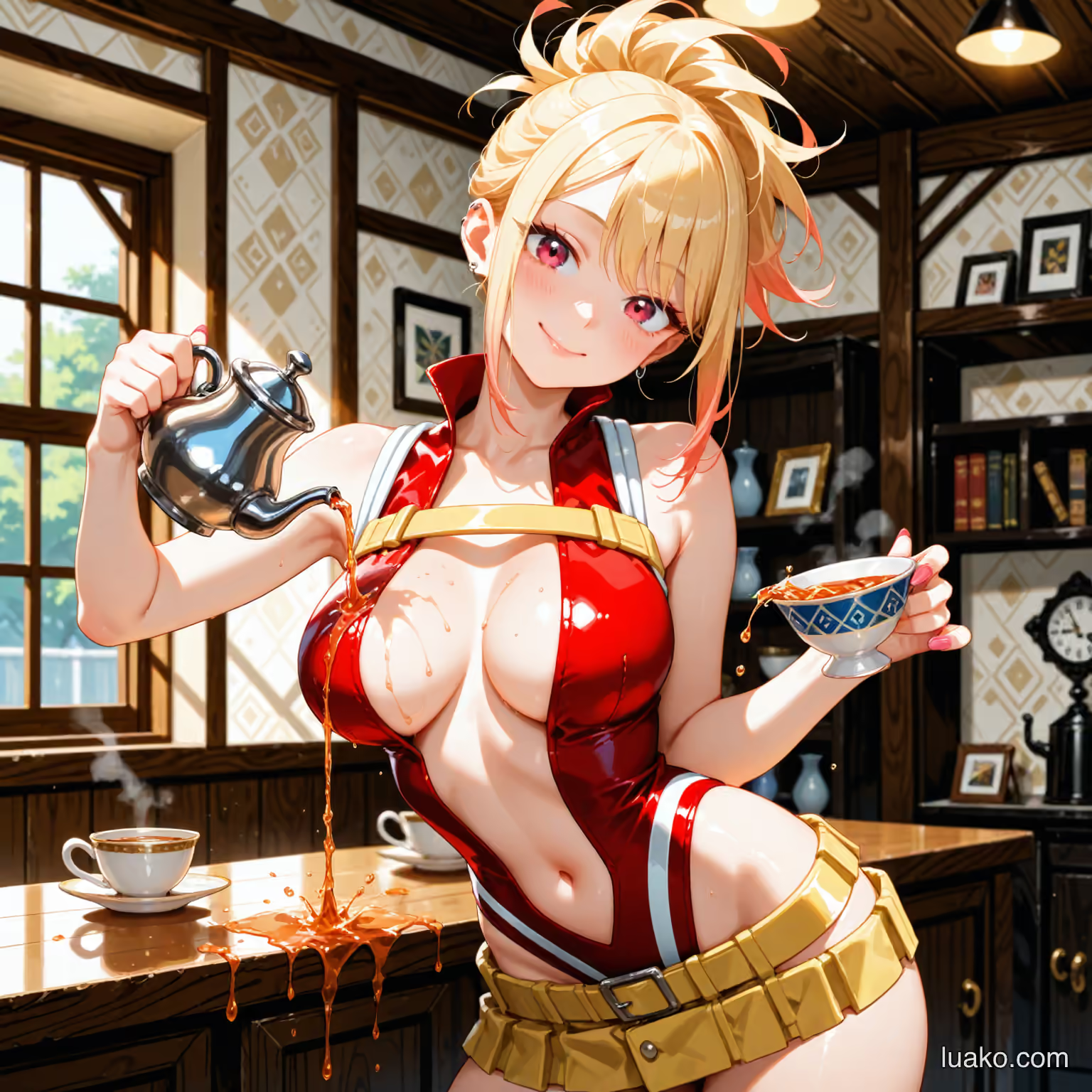
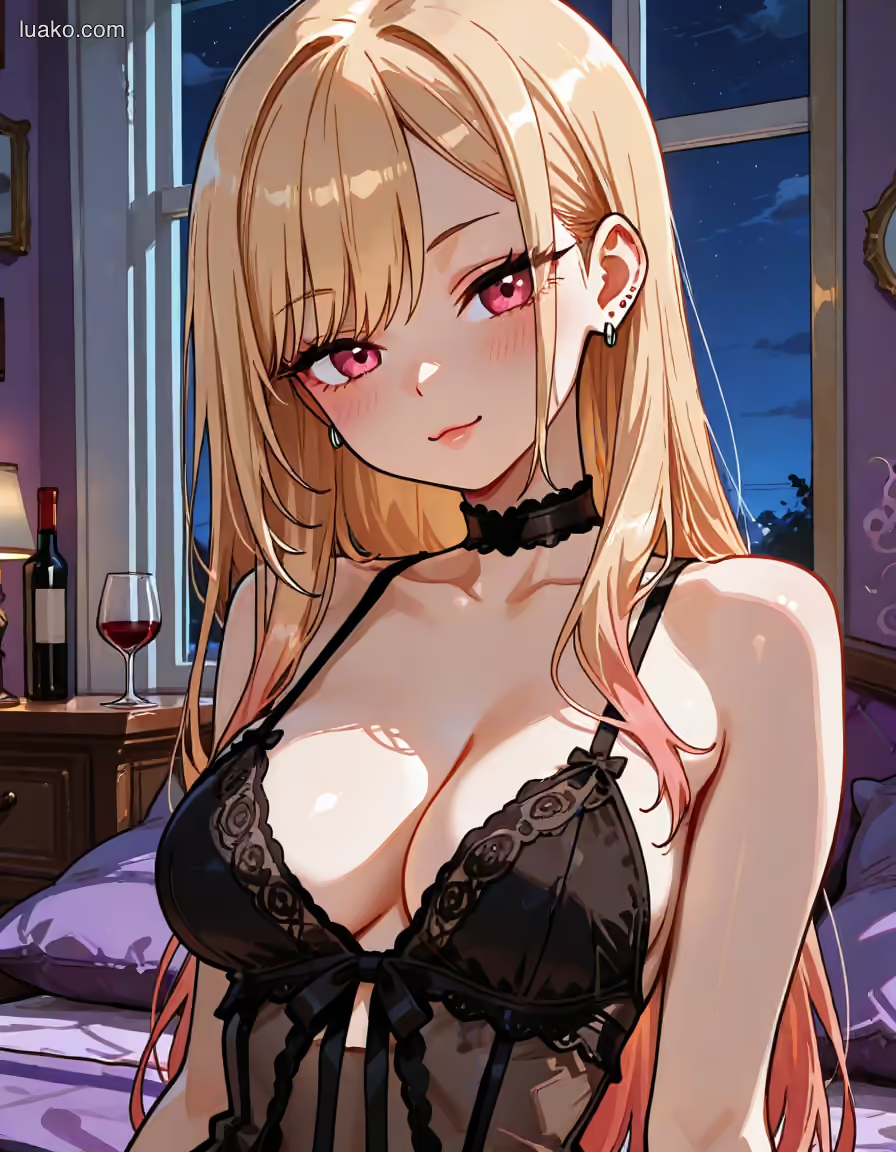
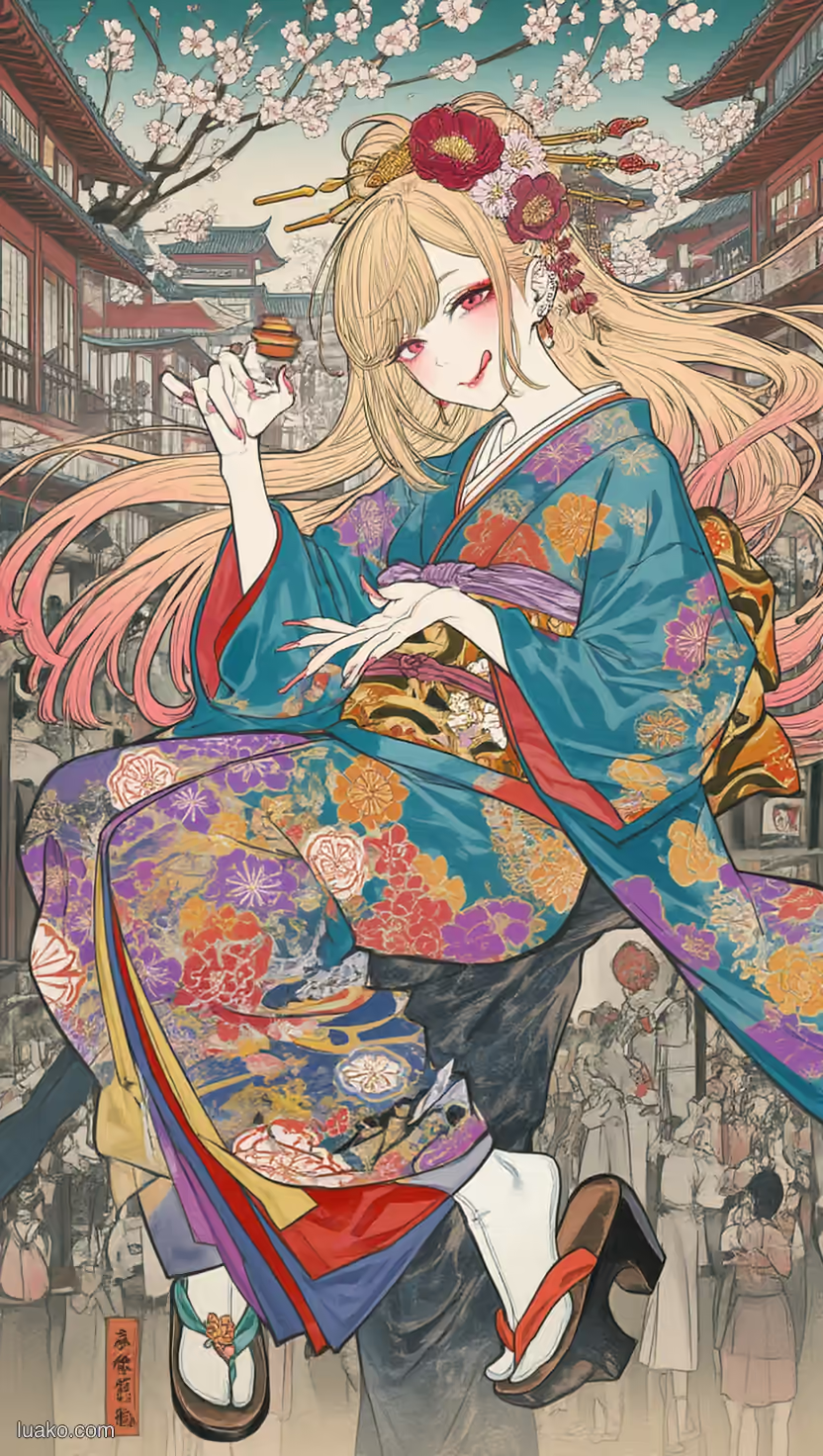
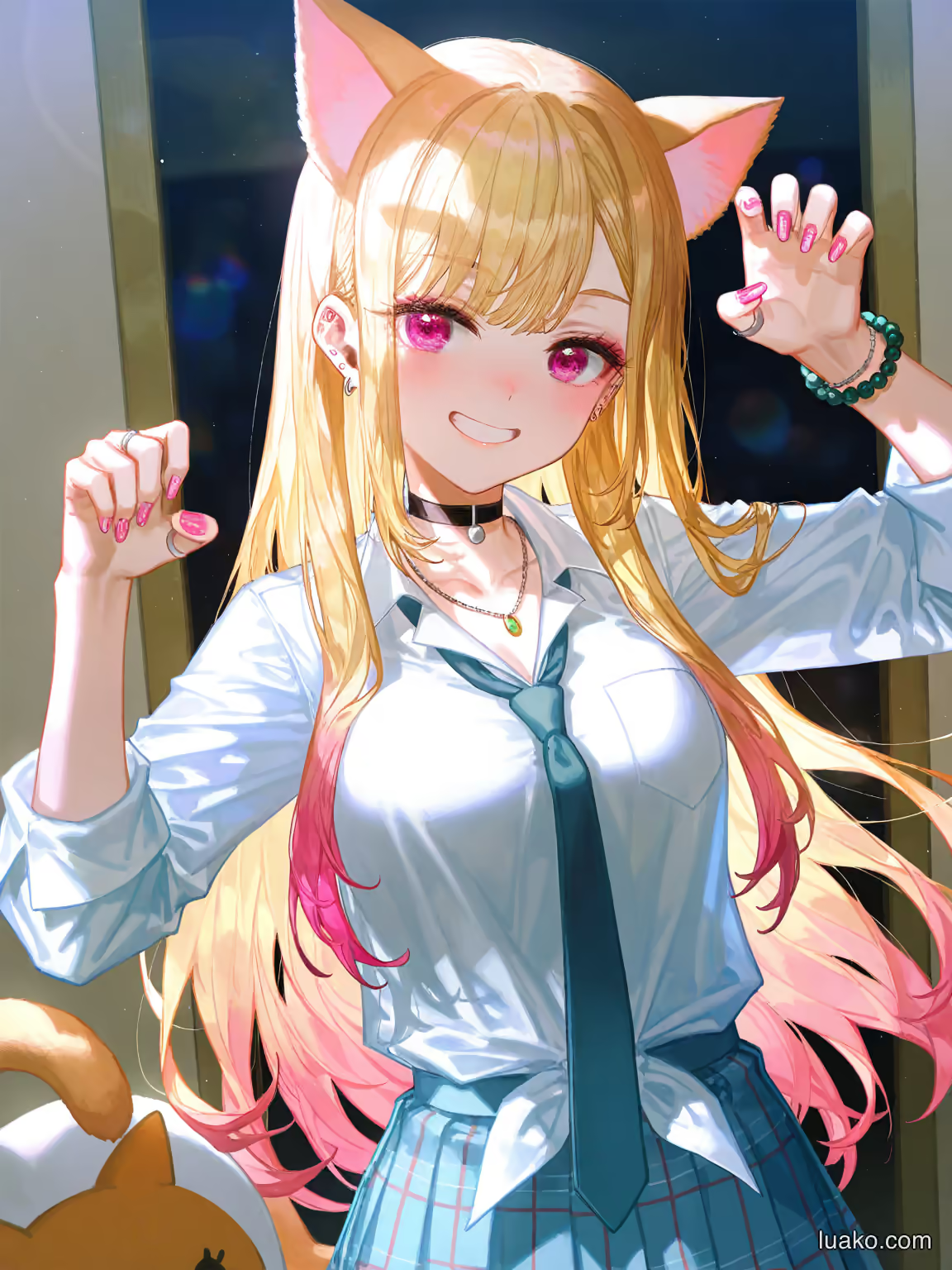
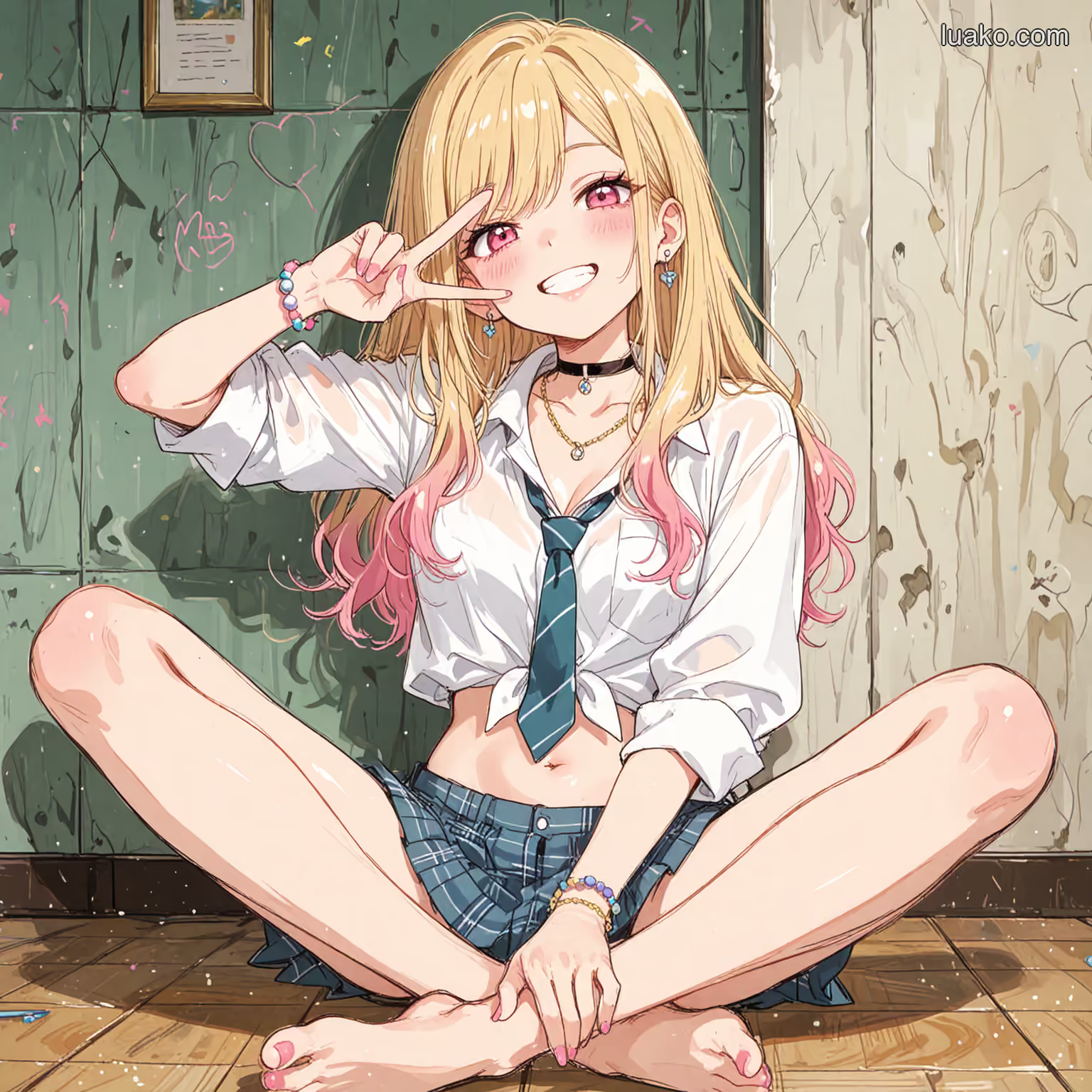
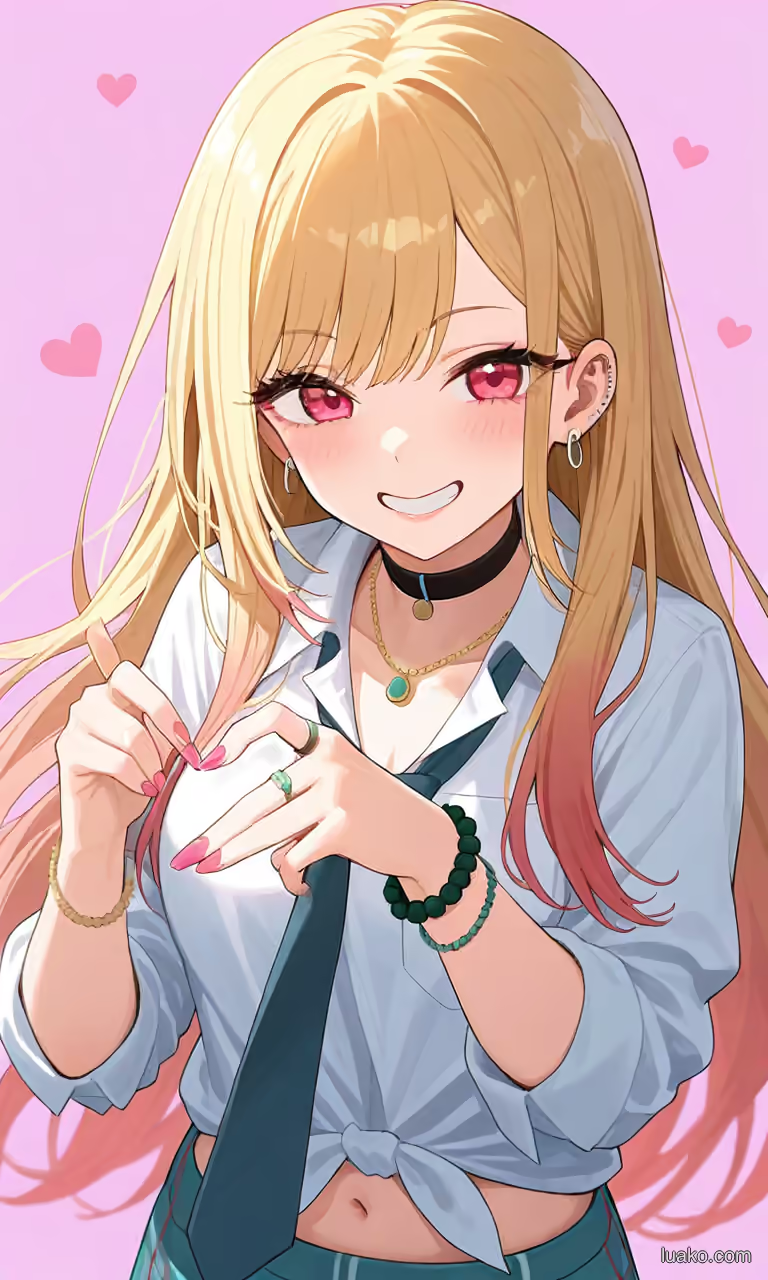
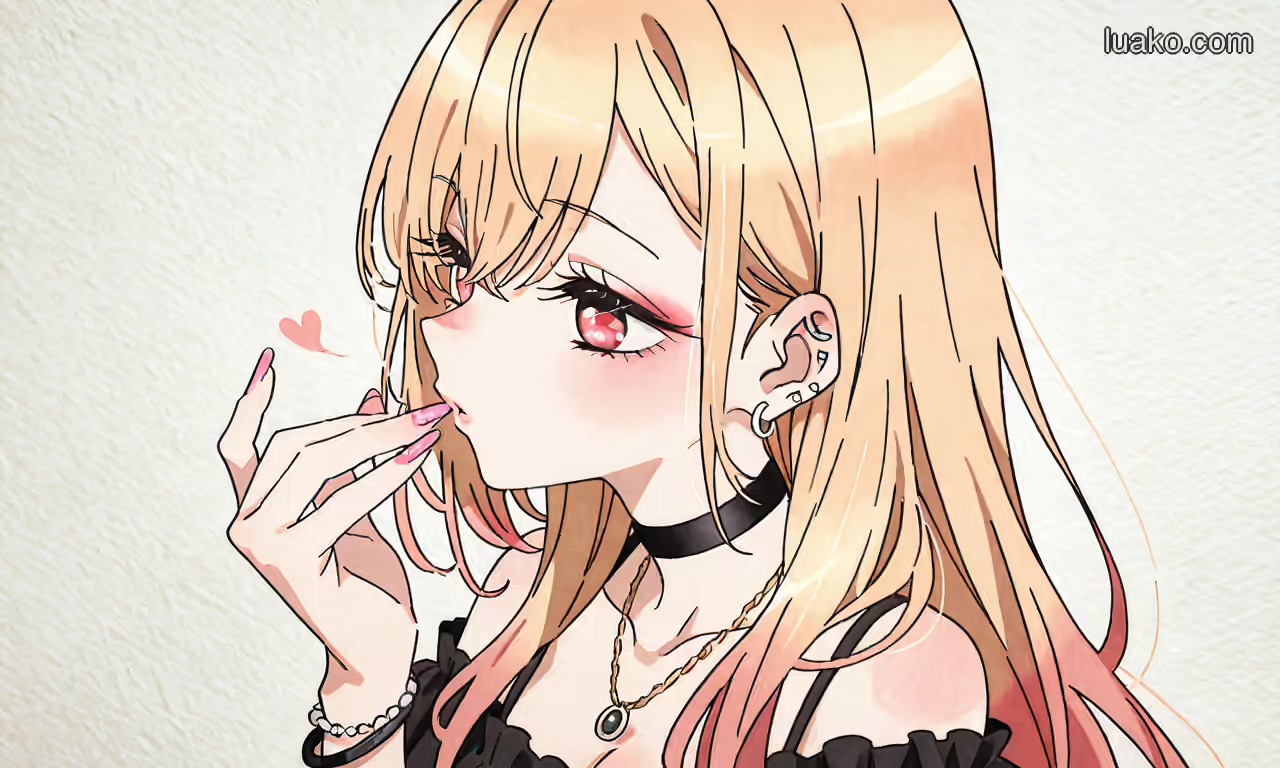
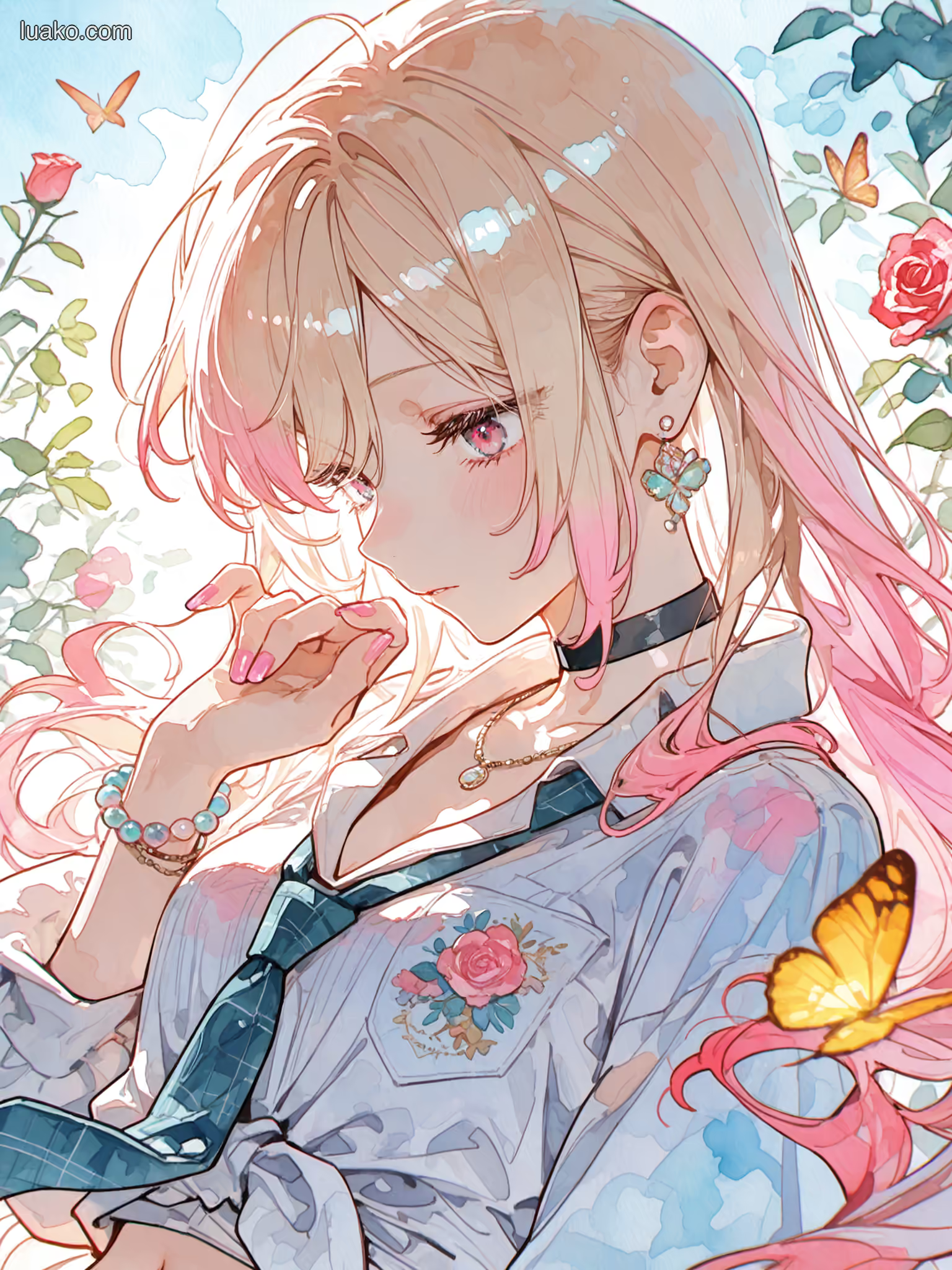
Marin has long, light-blonde hair with pink-tinted ends, pink-toned eyes, and multiple ear piercings in the recognizable anime character design. She changes her styling frequently, with a taste for fashionable accessories, carefully coordinated casual outfits, and playful details. Her school uniform is often worn in a relaxed, personalized way.
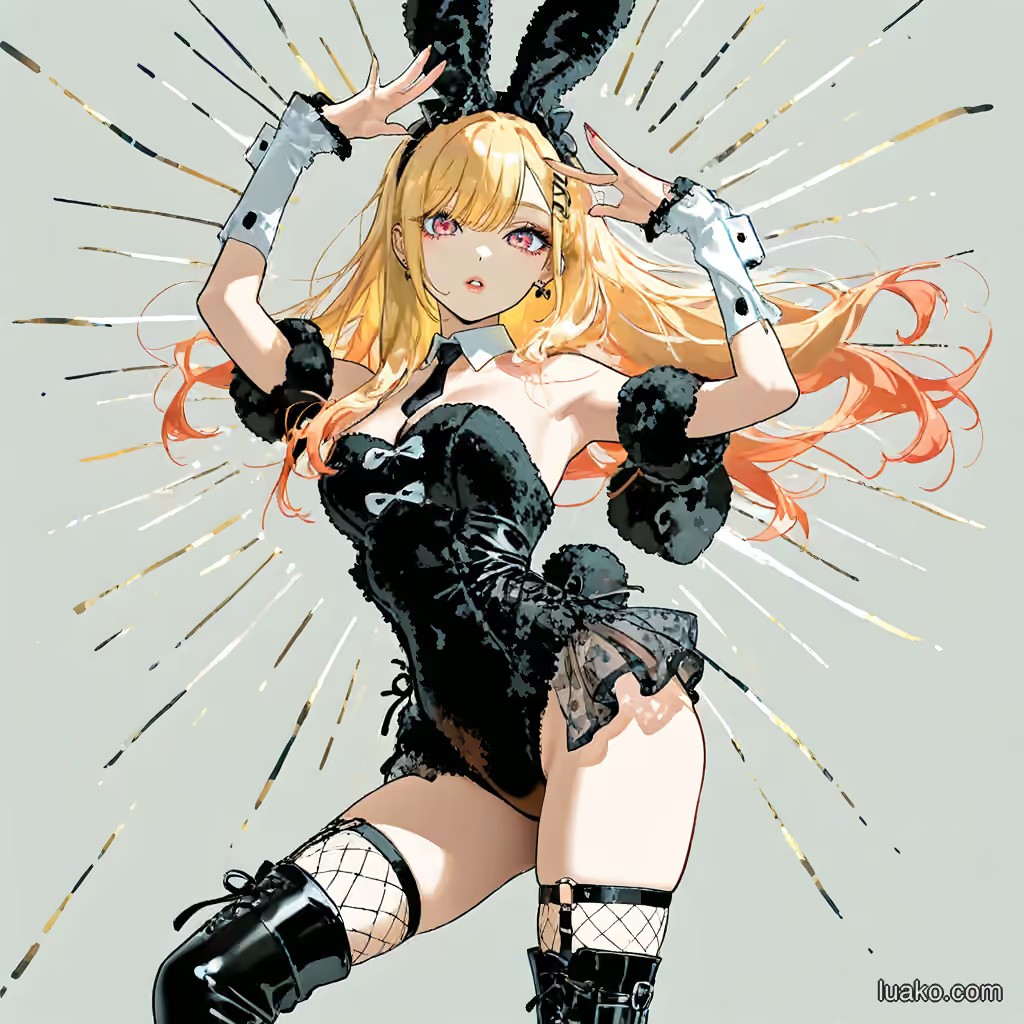
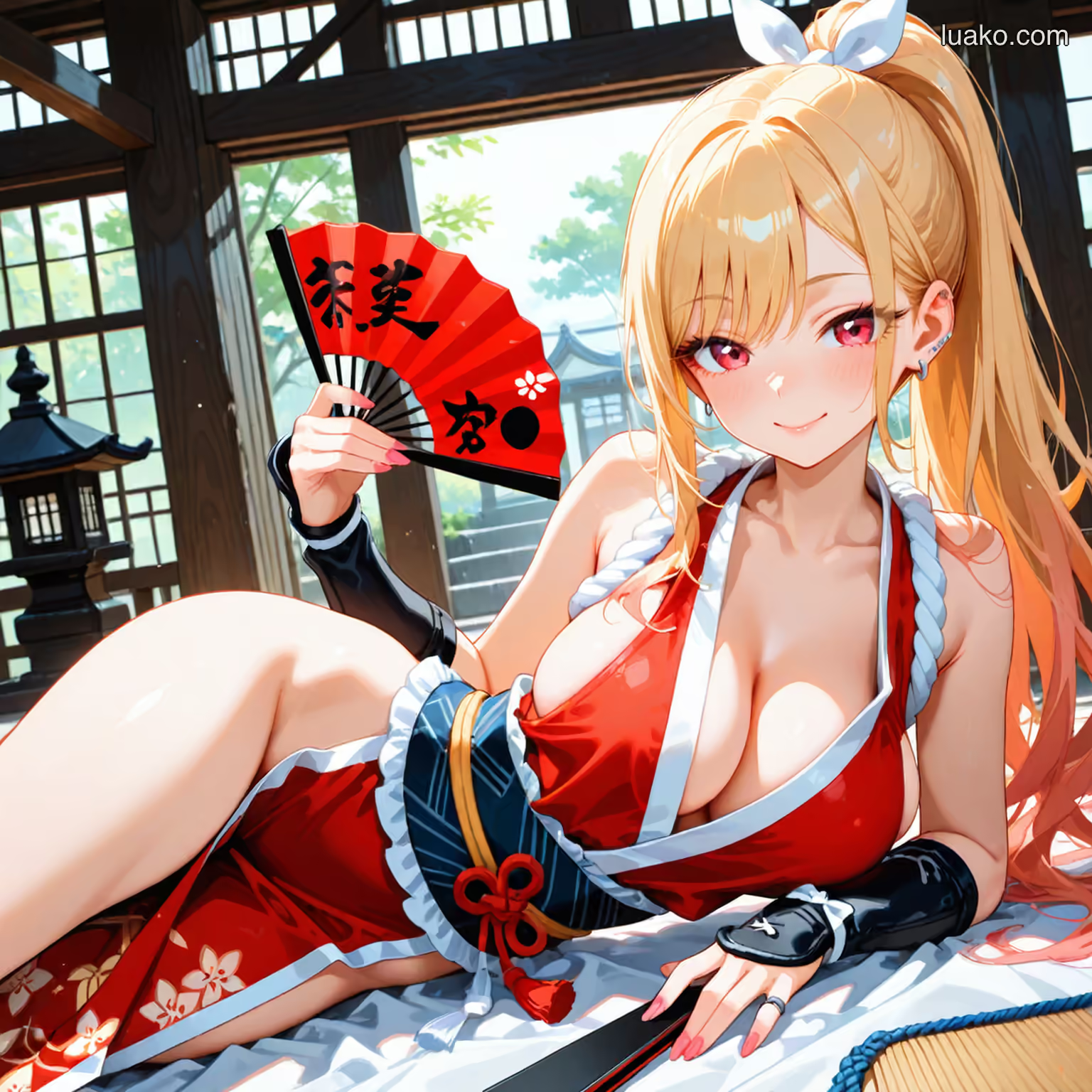
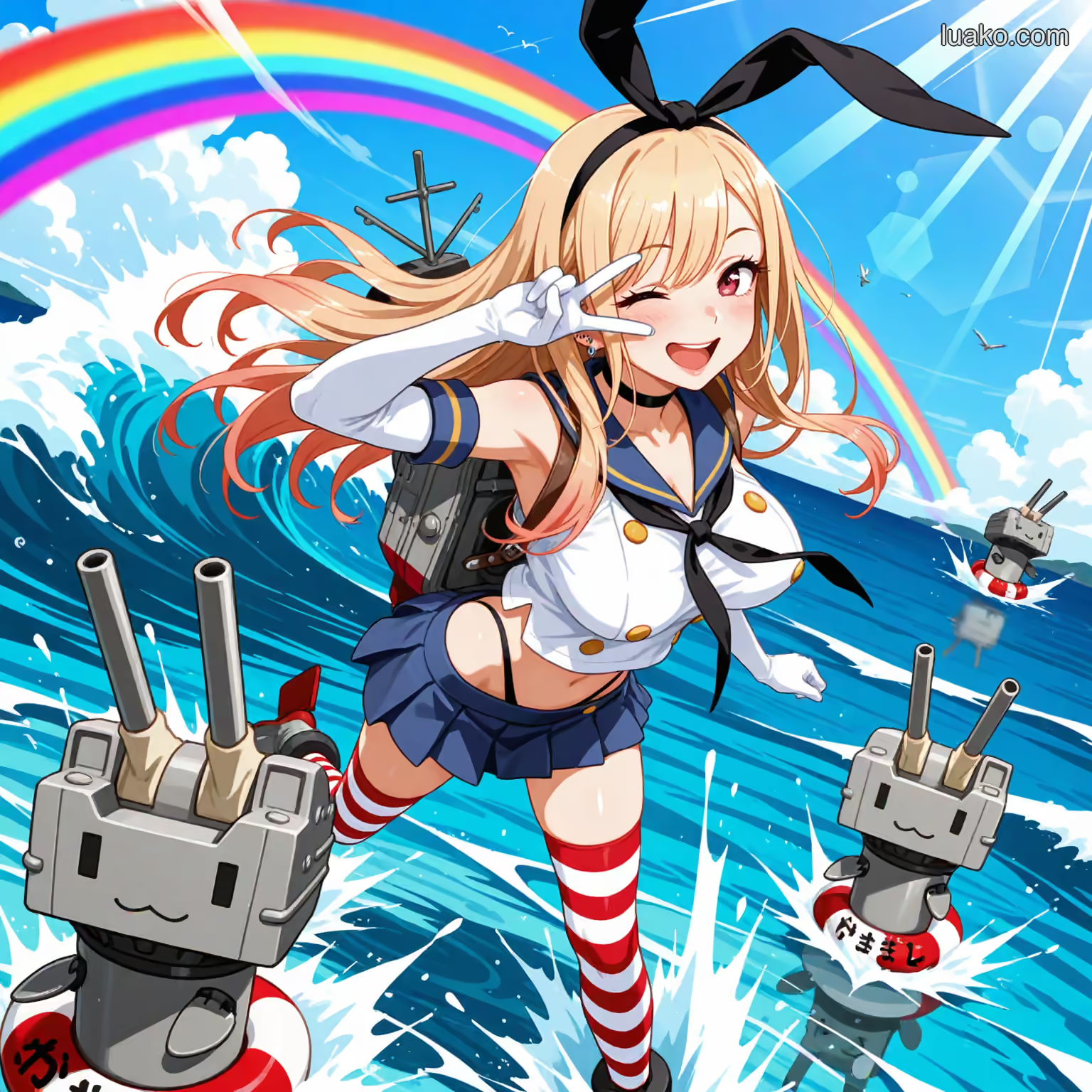
Her appearance changes dramatically when she cosplays, because portraying a character involves much more than changing clothes. Wigs, make-up, colored contacts, posing, and costume details all help distinguish Marin’s everyday look from the roles she chooses to perform. The specific styling depends on the character she is portraying rather than on a single permanent costume.
Quick facts
- Japanese name
- 喜多川海夢 (Kitagawa Marin)
- Original work
- My Dress-Up Darling, manga by Shinichi Fukuda
- Initial school year
- First year of high school
- Birthday
- March 5
- Work outside school
- Reader model for magazines
- Core interests
- Anime, manga, video games, and cosplay
- First major cosplay project
- Shizuku Kuroe
- Main creative collaborator
- Wakana Gojo, a classmate who sews costumes
Abilities
Modeling and posing
Marin works as a reader model and becomes comfortable expressing different looks before a camera. This experience complements her interest in portraying fictional characters.
Limitations: Being a model does not make her an experienced costume maker or photographer.
Cosplay performance
She approaches cosplay as an opportunity to embody particular characters, using facial expression, pose, styling, and careful attention to the character’s appeal.
Limitations: Costume fabrication often depends on Gojo’s sewing and their wider collaborators.
Media and character familiarity
Her enthusiastic knowledge of the stories and personalities she loves helps her communicate what a costume needs to evoke.
Limitations: Admiration and familiarity do not guarantee the technical ability to build the clothes.
Collaboration and initiative
She reaches out to Gojo, helps organize cosplay plans, and brings people together around creative projects.
Limitations: Her ambitious plans still depend on time, preparation, available resources, and other people’s contributions.
Relationships
Wakana Gojo
Classmate, friend, and costume-making partner
Marin discovers Gojo’s sewing ability and recruits him for her first proper cosplay. Their friendship grows through shared preparation, outings, and respect for very different interests.
Sajuna Inui (JuJu)
Fellow cosplayer and creative acquaintance
Sajuna is an established cosplayer Marin admires. Working together expands Marin’s understanding of organized photo shoots and of how other fans approach their favorite characters.
Shinju Inui
Fellow cosplay-group participant and photographer
Shinju, Sajuna’s younger sister, photographs her sister’s cosplay and becomes part of Marin and Gojo’s developing cosplay circle.
Amane Himeno
Fellow cosplayer
An encounter with Amane introduces Marin and Gojo to another perspective on gender presentation, make-up, and the freedom to express oneself through cosplay.
Nowa Sugaya
School friend and classmate
Nowa is part of Marin’s everyday school circle, separate from the cosplay connections that first draw Gojo into her life.
Interesting facts
An official anime cosplay campaign accepted three distinct portrayals of Marin: school uniform, casual clothes, and her Shizuku Kuroe cosplay.
The official campaign treated Marin's school clothes, casual fashion, and first cosplay as different recognizable looks, rather than reducing her visual identity to one outfit.
A separate comedy spinoff is published in English as My Dress-Up Darling XOXO!; its Japanese title is 着せ替え人形でchu♡.
The Japanese publisher describes it as a parallel comedy. Its deliberately exaggerated encounters should not be read as events from Marin's original manga continuity.
Marin’s earliest costume-making collaboration involves a deadline of just two weeks.
The tight schedule makes her first successful cosplay as much a story about another person’s labor and commitment as about a finished design.
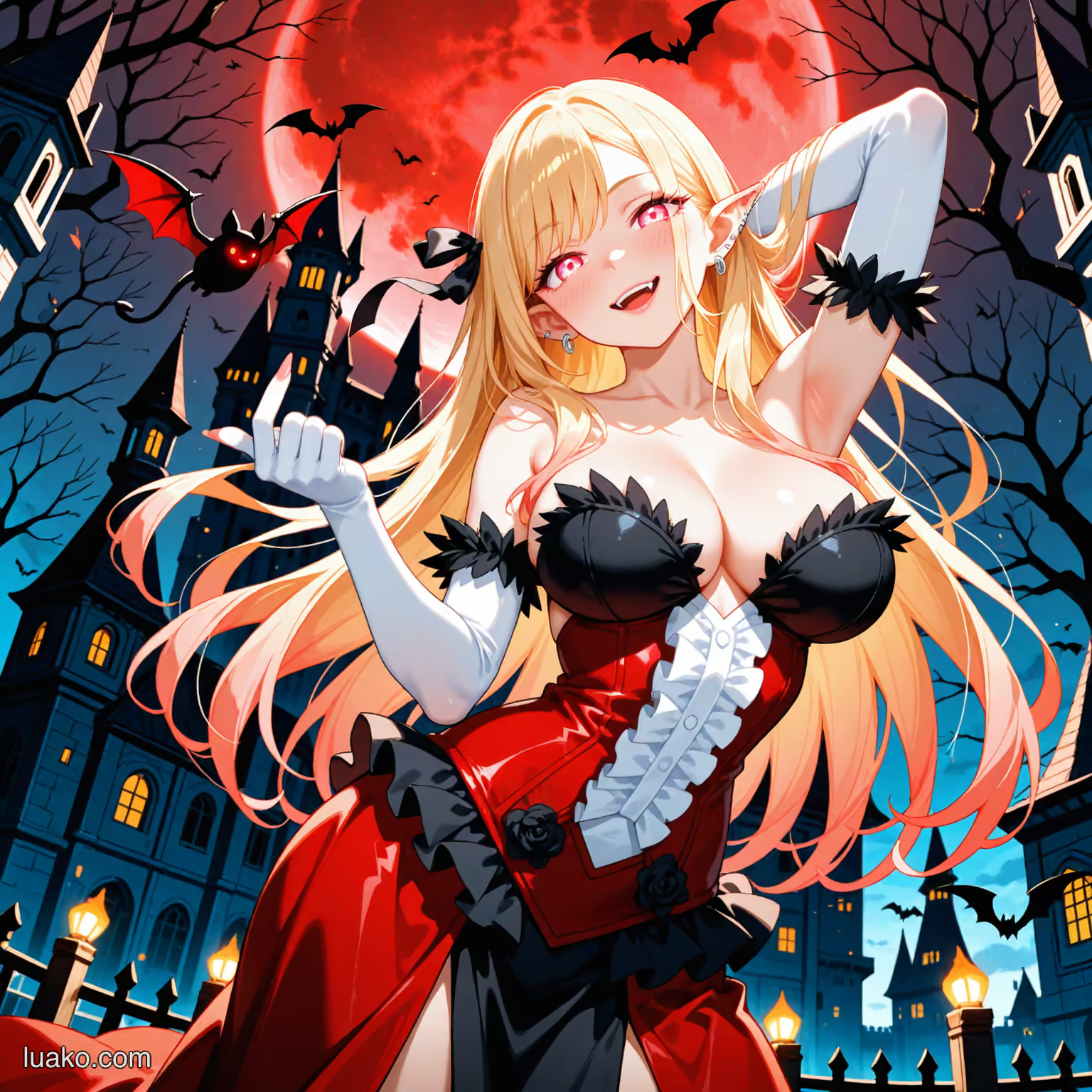
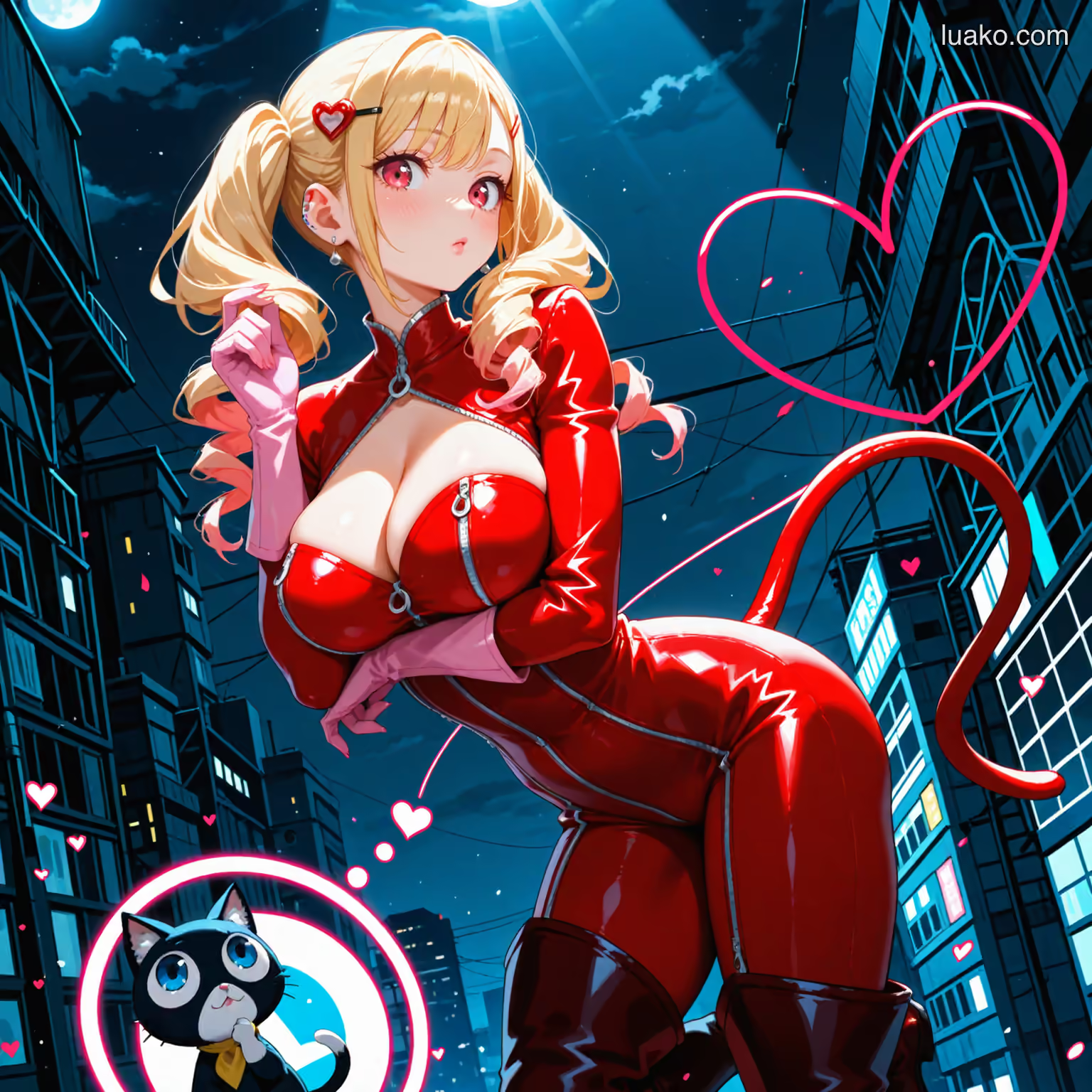
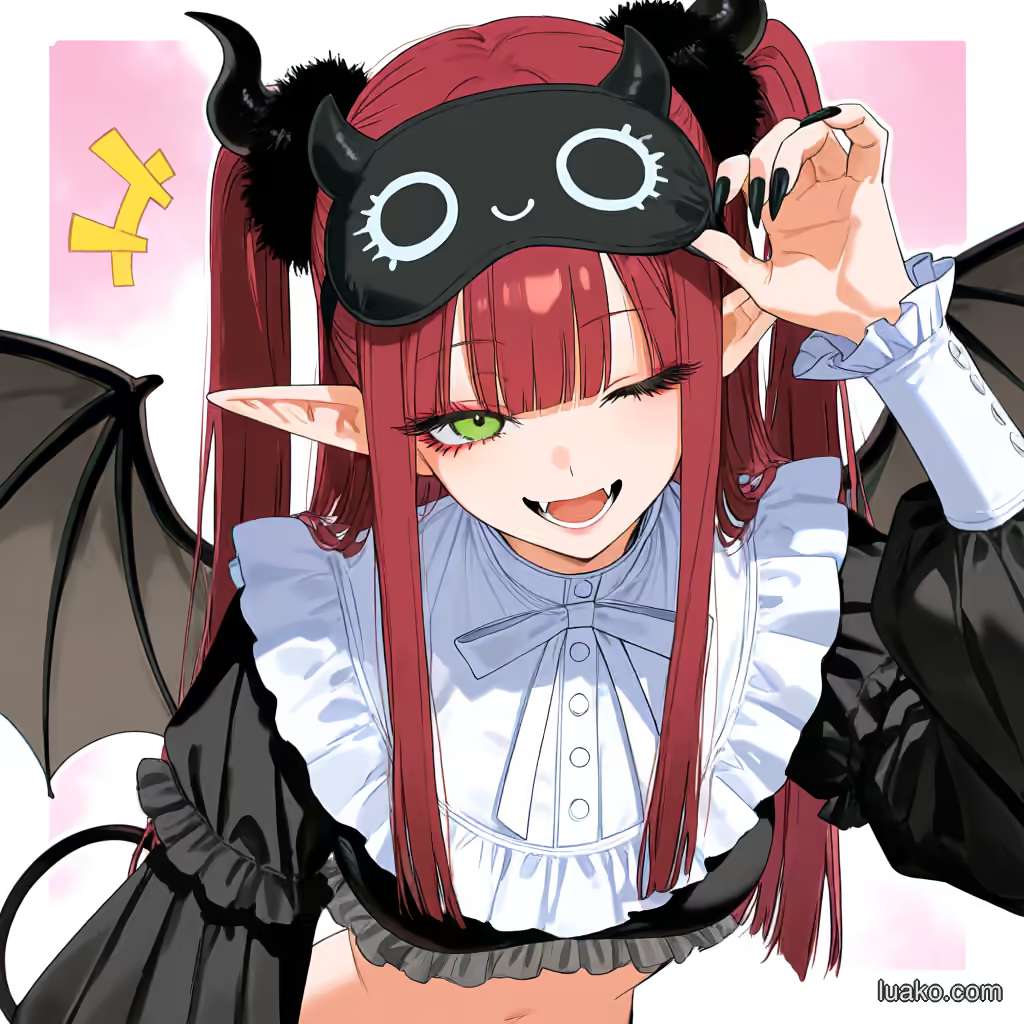
Marin's early costume choices include Veronica, a character from a fighting game, and Liz-kyun, a succubus character from the manga SabaKoma.
These specific projects show that she draws cosplay ideas from quite different kinds of fictional works, rather than repeating a single character style.
Frequently asked questions
Who is Marin Kitagawa?
Marin is a first-year high school student, reader model, and aspiring cosplayer who co-leads Shinichi Fukuda’s manga My Dress-Up Darling.
Why does Marin ask Wakana Gojo for help?
She discovers that he can sew and realizes his craftsmanship could help make the character costumes she cannot yet construct herself.
What is Marin’s first major cosplay?
Her first major project with Gojo is Shizuku Kuroe, a character she deeply admires.
Is Marin already a professional costume designer?
No. She works as a reader model and is a passionate cosplay enthusiast, while Gojo’s sewing is central to creating her early costumes.
What media does Marin enjoy?
Her interests include anime, manga, and video games; cosplay gives her a way to express how much she loves particular characters.
Who is JuJu?
JuJu is the cosplay name of Sajuna Inui, an experienced cosplayer Marin comes to know through her hobby.
When is Marin Kitagawa’s birthday?
March 5, as confirmed in an official My Dress-Up Darling anime birthday announcement.
Is My Dress-Up Darling originally an anime?
No. The story originated as a manga by Shinichi Fukuda, published by Square Enix, before its television anime adaptation.
Major story spoilers below.
The school festival and a new kind of performance
At the school cultural festival, Marin represents her class in a pageant that calls for crossplay and chooses Rei Kogami, a male character. Presenting that role convincingly requires her to rethink how she moves and poses, while Gojo works on the outfit under the pressure of classmates’ expectations. The class’s collective effort widens Gojo’s social world, and Marin’s performance demonstrates that her love of cosplay is not limited to female characters or familiar looks.
Learning from the people behind the camera
Marin takes on more part-time work to buy a DSLR camera, then attends an event in the role of photographer. Her circle grows to include cosplayers with experience in props, group staging, and specialist make-up. The horror-game Coffin group shoot brings several of those contacts together, including JuJu. Alongside the excitement of the shoot, Marin is carrying feelings for Gojo that she finds unexpectedly difficult to say aloud.
Haniel at Winter Comiket
The pair undertake an exceptionally demanding new project: Marin’s portrayal of Haniel from Heaven’s Will. Gojo devotes enormous attention to the costume, and her appearance at Winter Comiket draws an extraordinary crowd. Photographs spread widely online and reach the fictional work’s original creator. What should be their shared triumph becomes emotionally painful: Gojo’s downcast reaction and their uncertainty about what the attention might mean for their partnership create a serious distance between them.
Misunderstanding and confession
After the Haniel cosplay attracts intense attention, Marin worries that continuing to rely on Gojo for costumes may be causing him pain. Their uncertainty grows as someone from Gojo's past unexpectedly reappears during an outing connected to hina dolls. When the two finally confront the feelings they have struggled to express, they acknowledge that their affection is mutual and begin dating. The change comes through a conversation they had been avoiding, not through the public success of the costume itself.
Learning to be a couple
Marin and Gojo begin experiencing their relationship openly rather than only through costume projects. The final volume includes a birthday date for Gojo, a disagreement over behavior during that date, and a return to a beach that has personal meaning for them. Their new status changes the stakes of ordinary outings: they must reconcile different comfort levels and expectations while remaining the creative partners who first met over sewing and cosplay.
Married life in the final chapter
Chapter 115 moves forward several years and shows Marin and Gojo as a married couple living with Gojo's grandfather. Their wedding is not shown as an on-page ceremony; wedding photographs and Marin's ring establish what has happened. Marin has become a successful professional model, while Gojo continues his work as a hina-doll craftsman and receives recognition on television. The chapter closes with a family meal, bringing their once-separate households and interests into an ordinary shared life.
The final-volume extras: an engagement and a daughter
A supplementary story included in Volume 15 looks back to the period before the wedding: Marin and Gojo visit her father to tell him they plan to marry. Marin approaches the visit cheerfully, while Gojo is visibly nervous. This episode fills in part of the path to the marriage already shown in the main finale, rather than replacing its ending.
The engagement story also puts Marin's consideration for Gojo into everyday terms. She wants to adjust her modeling workload and take on more housework so that he can concentrate on making hina dolls, but her cooking skills are not ready for the plan. Her father and Gojo step in to help her practice. The scene balances a comic domestic mishap with a concrete effort to support his work.
The final volume's epilogue, set after their marriage, introduces Marin and Gojo's daughter, Nichika (日嘉). Marin, Gojo, and Nichika visit Marin's father, Masumi, for his birthday. Nichika has made him a gift but becomes too shy to present it; Gojo takes the time to listen to her hesitation. The scene gives their future family its own small, character-specific moment rather than ending with the fact of the marriage alone.
Spoiler questions
Do Marin and Gojo become a couple?
Yes. After the conflict surrounding the Haniel cosplay and the feelings it exposes, Marin and Gojo confess their affection and begin dating. The final volume’s publisher synopsis explicitly confirms their relationship.
What happens to Marin at the end of the manga?
The main final chapter shows Marin married to Gojo and working successfully as a model. The additional epilogue in Volume 15 extends their future further, introducing their daughter, Nichika.
Does Marin stop cosplaying after Winter Comiket?
No. The Haniel project strains Marin's partnership with Gojo, but the conflict is about their unspoken feelings and worries, not a permanent rejection of cosplay. The final-volume material still shows Marin and her friends enjoying the hobby.
Does the manga end with the same events shown in the anime?
No. The source manga continues substantially beyond the first two television seasons and concludes in its fifteenth volume, with major relationship developments that are not part of the anime’s introductory premise.
Does the manga depict Marin and Gojo’s wedding?
Their marriage is established in the future-set final chapter through photographs and family context, but the ceremony itself is not shown there.
Do Marin and Gojo have a child in the manga?
Yes. The epilogue collected in the final volume introduces their daughter, Nichika (日嘉). She is part of the supplementary ending material, not the central scene of Chapter 115.
Does Marin tell her father about the engagement?
Yes. A bonus story published after the main ending depicts Marin and Gojo visiting her father with the news that they intend to marry; Gojo is nervous about the visit.
Tags
Marin Kitagawa Artwork and Images
Discover Marin Kitagawa artwork alongside the story of her colorful fashion, cosplay ambitions, and friendships in My Dress-Up Darling.
Videos · 37